

Retail & Multi-Branch Distribution
IND-05 · RETAIL NETWORK INFRASTRUCTURE
Engineering Consistent Connectivity Across Every Store
Standardized branch network rollouts, PCI-DSS compliant POS networks, and central cloud visibility.
Standardized branch connectivity, payment-environment segmentation and supported centralized network visibility, designed around approved project requirements and applicable security obligations. The page describes architecture considerations, not completed Novatelia deployments. The original summary’s PCI-DSS wording is a design target, not a certification.
Explore the Connected Retail Network
Store endpoints use an access network. POS terminals use an approved payment boundary. Guests use a restricted internet path. A branch edge uses an approved WAN or SD-WAN. Warehouse scanners use an operational network. Not every chain uses one topology. No card data and no live payment are shown.
Conceptual retail network architecture — not a live store network or verified customer deployment.
01
Head Office
Central IT, policy, and approved application connectivity.
02
Branch Store
Local switching and the endpoint environment in one store.
03
Retail POS Environment
Payment terminals and the authorized transaction path. No card number is handled here.
04
Guest Wi-Fi
Guest internet, separate from payment and restricted store systems.
05
Staff Network
Authorized staff devices and operational tools.
06
SD-WAN / Branch WAN
Connectivity from branches toward central resources. No carrier SLA is stated.
07
Warehouse & Distribution
Scanners and inventory terminals on an approved operational network. This is not a warehouse-management redesign.
08
Centralized Management
Configuration and inventory visibility where the chosen products support it.
09
Security & Access Boundaries
Segmentation, controlled remote administration, and logging if scoped.
Three Infrastructure Challenges in Multi-Branch Retail
01
Rapid deployment across multiple store locations with consistent configuration
A reference architecture, repeatable configuration, staging, site readiness, and acceptance criteria support a multi-store rollout. Identical outcomes are not guaranteed. Zero-touch or same-day deployment is not promised.
02
Protecting point-of-sale payment terminals from unauthorized access
Payment paths, role-based access, and vendor connectivity protect terminals. Segmentation does not by itself establish PCI DSS compliance, and this page shows no card data and no audit result.
03
Providing customer guest Wi-Fi with social login and marketing telemetry
Guest access, a captive portal where supported, and social login where supported need consent and a lawful basis. Guest, staff, and POS stay apart. Social login is not assumed to be permissible without a review.
One Approved Design. Multiple Store Environments.
Eight deployment stages. A standard design is not a guarantee that every site finishes the same way. No branch status is simulated.
01
Reference architecture
The approved pattern for a typical store.
02
Branch requirements
What this site changes: construction, carrier, POS platform.
03
Device staging
Identity, firmware baseline, and templates named in the scope.
04
Delivery coordination
Site grouping and identification. Customs clearance is not guaranteed.
05
Site installation
Physical work in the approved design.
06
Configuration verification
The baseline, plus recorded exceptions.
07
Technical acceptance
Tests that were agreed, with observed results.
08
Handover
Documents named in the scope.
Protect Payment Connectivity with Defined Security Boundaries
Conceptual domains are payment terminals, POS management, staff, guest Wi-Fi, branch infrastructure, the upstream payment service, and monitoring where scoped. The guest path is not the payment path.
Microsegmentation is not always mandatory and is not automatically sufficient for compliance. No transaction and no PCI audit result is simulated.
Connect Stores, Warehouses and Headquarters
Branch edges, transport options, SD-WAN where it fits, application access, security boundaries, and failover dependencies are design topics. No bandwidth, uptime, or latency figure is invented.
Retail Guest Wi-Fi Without Exposing Business Systems
SSID planning, a captive portal where used, coverage, consent, and optional marketing integrations stay off POS. This demonstration collects no personal information and claims no automatic privacy compliance.
Network Infrastructure Beyond the Storefront
Handheld scanners, inventory terminals, warehouse Wi-Fi, and mobility are connectivity topics. This is not a warehouse-management redesign, and no warehouse operation is simulated.
Prepare Repeatable Branch Hardware Before Deployment
Possible work includes identity checks, firmware review, templates, labeling, staging notes, functional checks, and release packaging. Not every device is claimed to have been configured. There is no live provisioning tool.
Coordinate Hardware Delivery Across Multiple Sites
Delivery planning, shipment groups, identification, and phased installation are coordination topics. Customs clearance is not guaranteed. Internal warehouse systems are not exposed or modified.
Cybersecurity Considerations for Distributed Retail
These names are project topics. They are not a sector certification, a clearance, or a managed SOC. None is deployed by default.
01
Branch Network Security & Secure SD-WAN
Branch security and SD-WAN policy apply to the edge that was actually designed. It is not a sector certification, a clearance, or a managed SOC.
02
Endpoint Protection on POS Terminals
POS endpoint software needs the payment vendor’s support. It is not a sector certification, a clearance, or a managed SOC.
03
POS Payment Network Microsegmentation
Payment microsegmentation is a design option, not an automatic compliance result. It is not a sector certification, a clearance, or a managed SOC.
04
EDR for Head Office and Warehouse Hosts
EDR for head office or warehouse hosts applies to those hosts, not blindly to payment terminals. It is not a sector certification, a clearance, or a managed SOC.
05
Automated Third-Party Application Patching
Third-party patching runs only where the application vendor allows it. It is not a sector certification, a clearance, or a managed SOC.
06
Identity Security & Password Governance
Identity and password governance follow the identity platform in scope. It is not a sector certification, a clearance, or a managed SOC.
07
Centralized Log Management
Centralized logs need sources and a retention decision. They are not a SOC. It is not a sector certification, a clearance, or a managed SOC.
08
Secure Remote Store Access
Remote store access is an approved path, not an always-on tunnel. It is not a sector certification, a clearance, or a managed SOC.
Payment Security and Oman Retail Compliance Considerations
- PCI-DSS 4.0 Payment Card Industry Data Security Standards
- Consumer protection and electronic commerce compliance in Oman
PCI DSS applies to the payment-card environment according to that entity’s obligations. The source names PCI DSS 4.0. Confirm the current revision before relying on a version label. Segmentation can limit scope when it is validated. It is not formal certification. Oman consumer-protection and e-commerce duties depend on the business and the information it handles. No official approval is claimed.
Related Retail Infrastructure Solution Architectures
Two related architectures, described without unsupported zero-downtime claims.
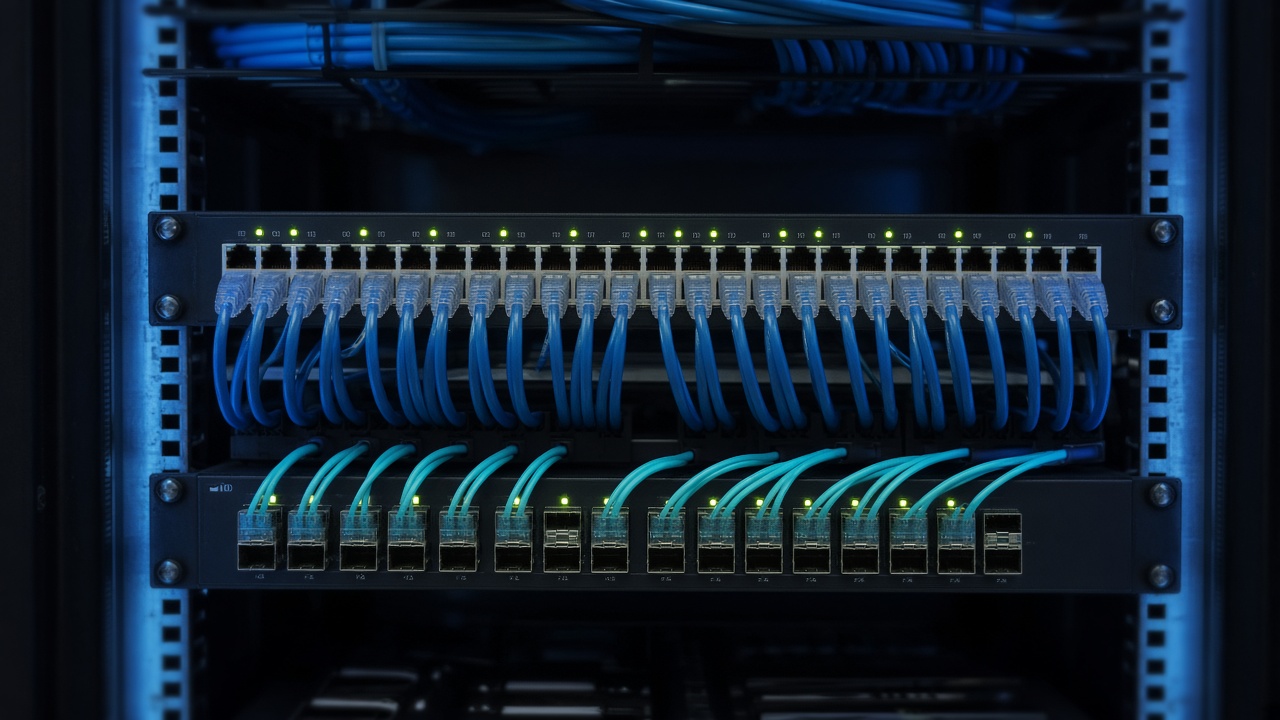
Enterprise Campus Networking
Branch and campus connectivity patterns. The store design still has to be scoped.
Enterprise Campus Networking
Cybersecurity & Security Infrastructure
Segmentation and access architecture for distributed sites.
Cybersecurity & Security Infrastructure
Engineering Services Supporting Multi-Store Rollouts
Three services with different jobs. They are not automatically included together.
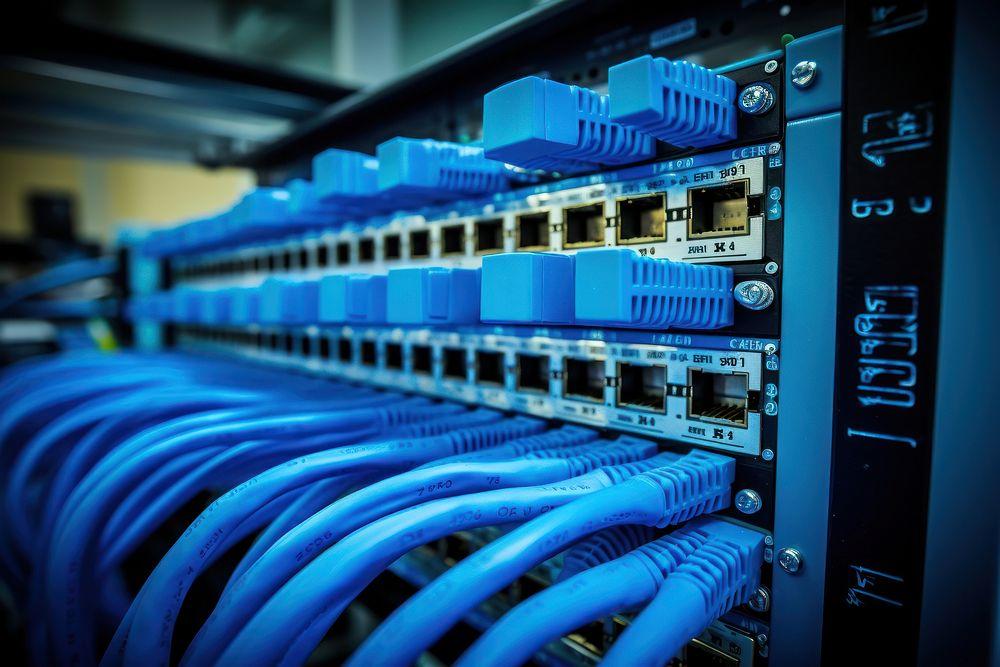
Hardware Pre-Configuration & Staging
Preparation of branch hardware against an approved baseline.
Hardware Pre-Configuration & Staging
IT Infrastructure Professional Installation
Physical installation. A labeling standard is not claimed as certified.
IT Infrastructure Professional Installation
Project Logistics & Delivery Coordination
Movement of equipment to sites. Not a customs guarantee.
Project Logistics & Delivery Coordination
From Store Requirements to Repeatable Infrastructure Delivery
A conceptual sequence. It is not a record of a successful customer rollout.
01
Assess locations and systems
Stores, POS platforms, and carriers as they are.
02
Define the branch architecture
A reference design plus allowed exceptions.
03
Review POS and guest network boundaries
Payment paths stay off guest Wi-Fi.
04
Prepare hardware and configuration
Only the units in the scope.
05
Coordinate site deployment
Phased, with identification.
06
Validate and hand over
Against agreed tests.
Retail & Multi-Branch Network Infrastructure — Questions and Answers
01What is multi-branch retail network infrastructure?
It is the repeatable connectivity between a head office, stores, and warehouses, including payment, staff, and guest networks. It is not a completed retail rollout.
02How are retail branch networks standardized?
With an approved reference design, a configuration baseline, and site checks. Standardization does not mean every building behaves identically.
03What is an approved reference architecture?
It is the documented pattern for a typical store. Local construction, carriers, and POS platforms can force a recorded exception.
04How can stores connect securely to headquarters?
Through an approved WAN or SD-WAN edge and a security policy. Carrier bandwidth and latency are not stated here because they are not known.
05When is SD-WAN useful for retail chains?
When several transports or application paths need a defined steering policy. It is a design option, not a default product.
06Why should POS traffic be segmented?
Payment terminals should not share an open path with guest devices. Segmentation can limit exposure. It does not by itself establish PCI DSS compliance.
07Does network segmentation automatically establish PCI DSS compliance?
No. PCI DSS applies to the payment-card environment according to the merchant’s obligations. A network drawing is not a certification.
08What is PCI DSS?
PCI DSS is the payment card industry data security standard. The source record names version 4.0. The current revision and the merchant’s scope should be confirmed before a project relies on a version label.
09What security considerations apply to payment terminals?
Vendor-supported configuration, restricted management access, and a path only to the authorized payment service. Third-party endpoint software is not assumed to be allowed on the terminal.
10Can guest Wi-Fi share physical infrastructure with retail networks?
It can share a building and sometimes a switch, if the logical path, SSID, and policy keep guests off POS and staff systems.
11How should guest Wi-Fi be separated from POS systems?
By SSID, segmentation, and a firewall policy that gives guests only the internet path that was approved. Sharing a VLAN name with POS is not separation.
12Can retail Wi-Fi use captive portals?
Yes, where the selected platform supports a portal. A portal is not proof of a privacy review.
13What privacy considerations apply to social login?
Social login collects account data and needs a lawful basis and a retention limit. This page does not turn social login on, and it does not claim Oman privacy compliance.
14What is centralized branch management?
It is supported inventory and configuration visibility for the products that offer it. It is not a live store dashboard on this website.
15What does pre-configuration of branch hardware include?
Identity checks, a firmware baseline, templates, labeling, and the functional checks named in the scope. It does not mean every unit was configured.
16How can a retail chain plan phased equipment delivery?
By site, shipment group, identification, and an installation sequence. Novatelia does not guarantee customs clearance.
17What infrastructure supports warehouse barcode scanners?
Wi-Fi or a wired port on an approved operational network, with roaming considered for moving devices. This is connectivity, not a warehouse-management system.
18Can existing store networks be upgraded?
Yes, after the current design, the POS vendor’s limits, and the cutover window are known. An upgrade is not assumed to be zero-touch or same-day.
19What cybersecurity tools may be relevant to retail?
The eight published topics include SD-WAN security, POS endpoints, microsegmentation, EDR on approved hosts, patching, identity, logs, and remote access. None is a managed SOC, and none is automatic.
20Do all POS devices support third-party endpoint software?
No. Payment devices often allow only vendor-approved software. Patches and agents need that vendor’s support.
21What is included in network acceptance?
The tests named in the scope and the observed results. There is no sample pass certificate on this page.
22Does Novatelia certify PCI DSS compliance?
No. Novatelia does not issue a PCI DSS certification. The original wording about PCI-DSS compliant POS networks is a design target, not an audit result.
23Which Novatelia services support retail rollouts?
Hardware pre-configuration, professional installation, and project logistics. They are separate scopes, not an automatic bundle.
24How can a retail business request infrastructure scoping?
Open the RFQ draft or contact Novatelia. The RFQ currently saves a browser draft. It does not submit a quotation request or issue a reference. Do not send payment-card data.
Plan Your Retail Network and Multi-Branch Infrastructure
The RFQ page keeps a browser draft. It does not submit a quotation or issue a reference.
The RFQ currently saves a browser draft. It does not submit a quotation request or issue a reference. Payment-card data is not collected.