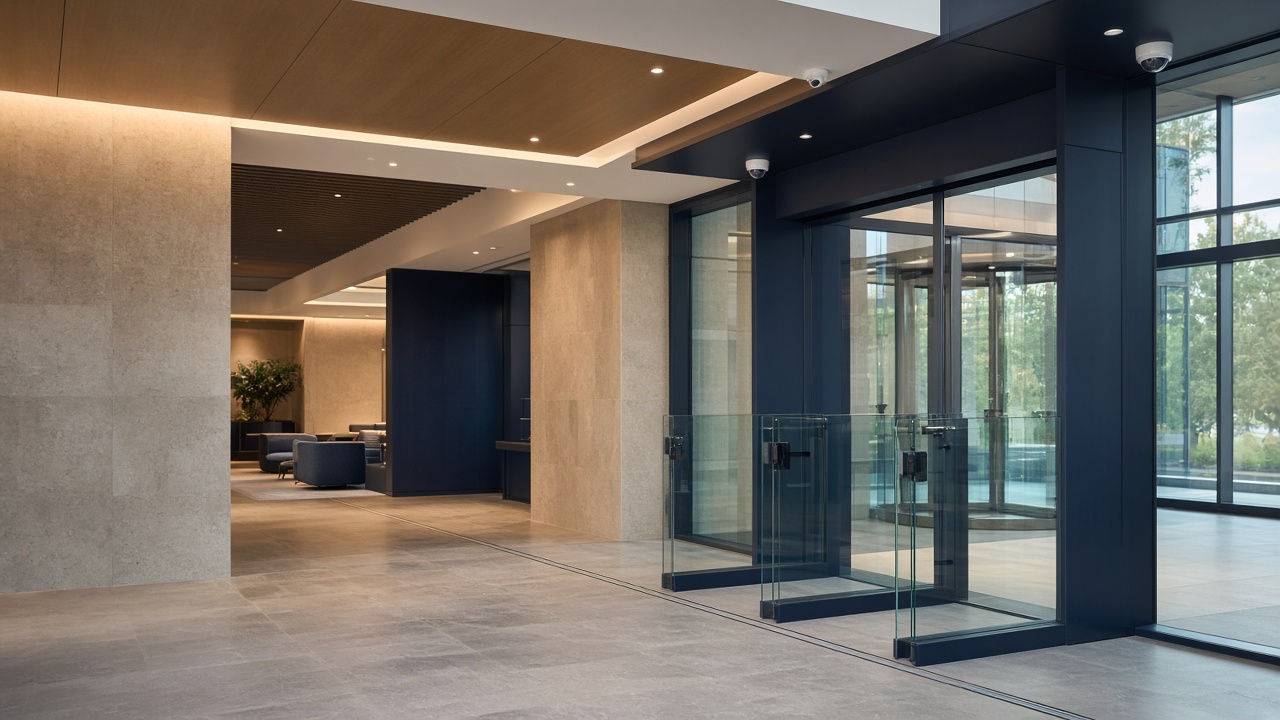
01
IP cameras
Field devices for the approved scenes. Fixed, dome, bullet, PTZ, multi-sensor, and specialized cameras may apply on a given project.
SURVEILLANCE INFRASTRUCTURE
srv-09
Novatelia supports CCTV and video surveillance infrastructure projects across camera deployment, network and PoE connectivity, recording systems, storage, fiber backbones, system integration, validation, and handover. The exact scope depends on the approved surveillance requirements, site conditions, coverage objectives, network architecture, and recording needs.
Installing a camera is only one part of a surveillance system. Camera positioning, network capacity, PoE, recording, storage, connectivity, retention requirements, and validation work together according to the approved project scope.
This work is delivered in Oman. It describes project work, not a camera catalog.
01
Assess
02
Position
03
Mount
04
Connect
05
Record
06
Store
07
Validate
08
Document
09
Handover
01
Field devices for the approved scenes. Fixed, dome, bullet, PTZ, multi-sensor, and specialized cameras may apply on a given project.
02
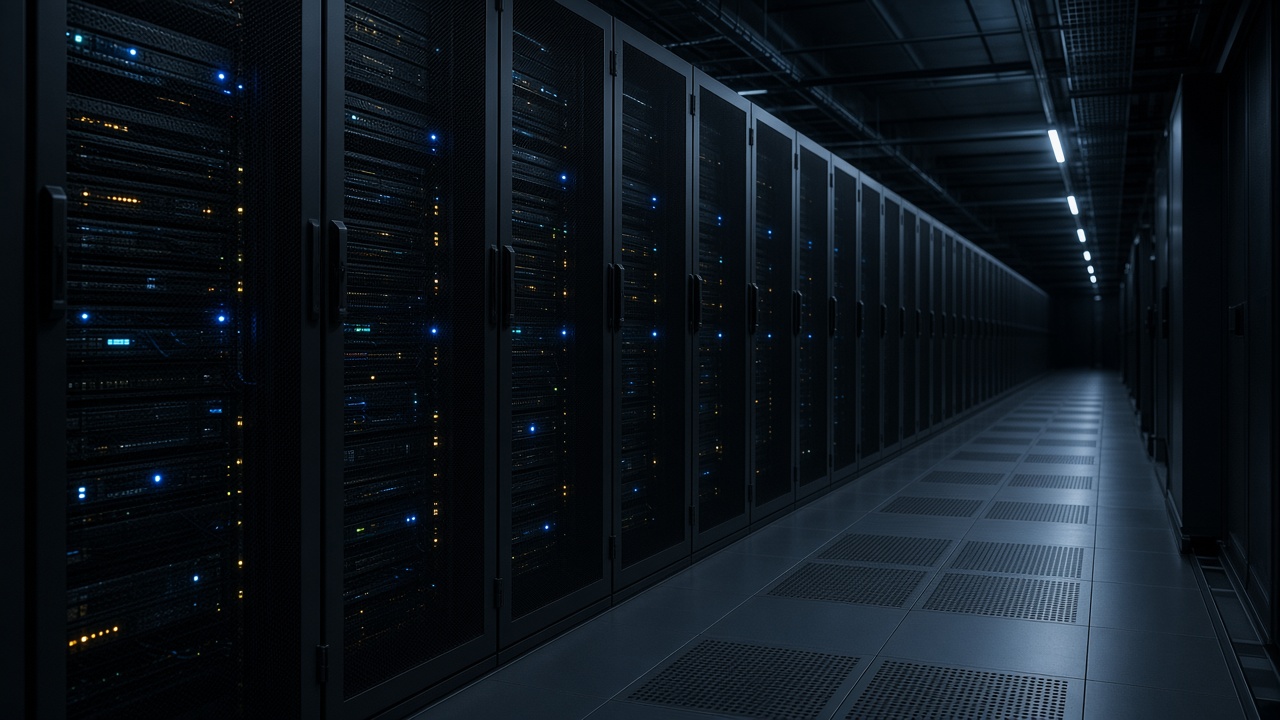
A recording appliance and the camera-to-recorder relationship, where that appliance is in scope.

03
A server used as a video-management host, with a management client and user access where the platform is selected.
04
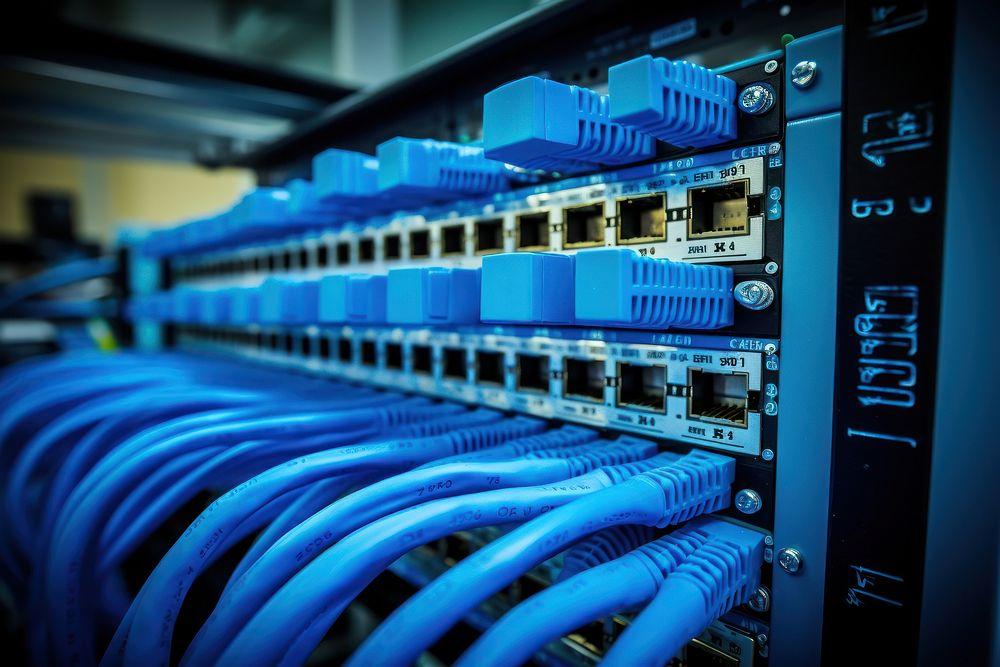
Camera leads land on access ports whose power and interface match the camera.
05
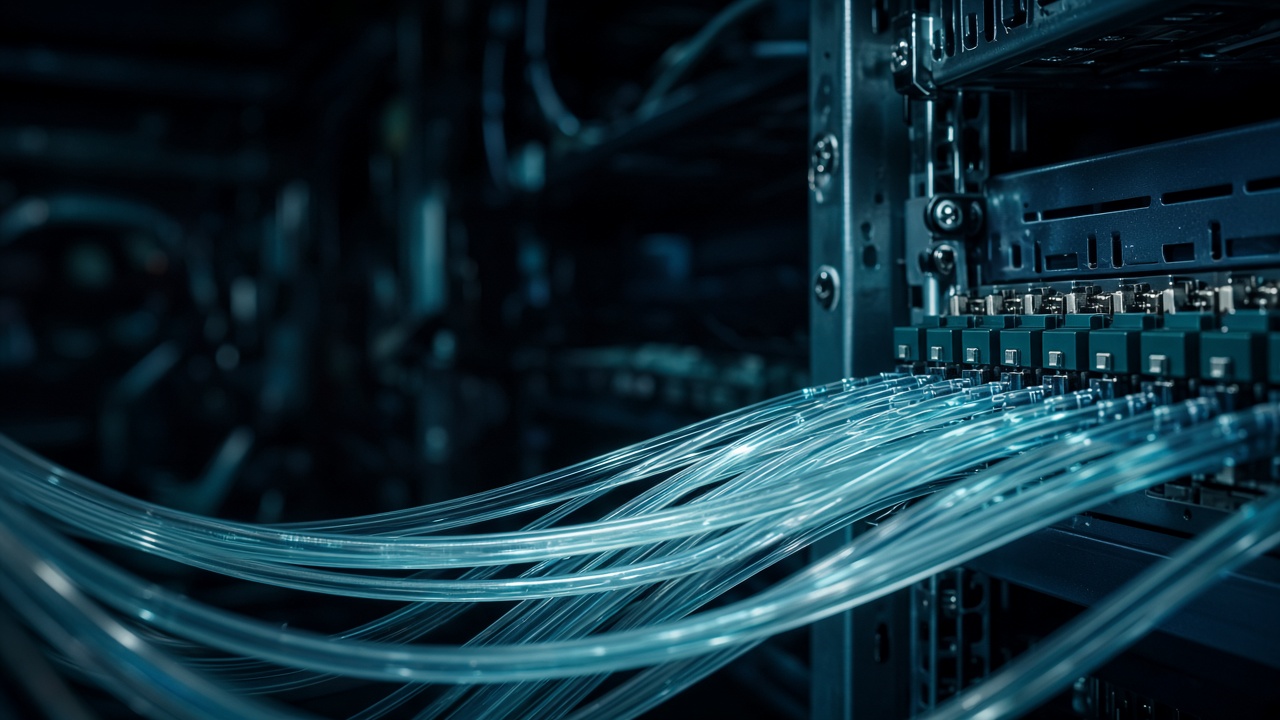
Fiber carries the uplink between a remote camera zone and the recording location when distance or the design requires it.
06
Storage drives in a recorder chassis. Capacity is a project calculation, and no capacity is printed here.
07
An authorized client and display infrastructure. The workstation is not a staffed monitoring service.
08
A small edge cabinet serving a remote camera zone, then an uplink toward distribution or core.
The fiber section covers the surveillance use of an uplink. Cabling method stays on the fiber service page. This section does not redesign the structured-cabling service. Edge connectivity is edge switch, fiber uplink, then distribution or core. Fiber type, distance, connector, and optic are project facts.
Conceptual architecture — not a customer design.
01
Field devices for the approved scenes. Each camera meets an access port. Mount, lens, and a recording destination are dependencies. This is not a coverage guarantee.
02
The power relationship is between the camera and a capable access port. The specific port, not the switch name alone, has to match. No power budget is invented on this page.
03
The path is camera, PoE access switch, uplink, distribution or core, then NVR, VMS, or storage. VLAN, interface speed, and addressing are design facts. Network design stays on the network service.
04
Where scoped: NVR, VMS server, recording server, management client, and the camera-to-recorder relationship. Continuous recording, failover, and redundancy need a defined configuration.
05
Storage depends on camera count, resolution, frame rate, codec, bitrate, recording mode, hours, retention days, and any approved overhead. No storage figure is calculated here. There is no default retention period.
06
A VMS client path, authorized remote access, a monitoring workstation, and display infrastructure. This is not a 24/7 monitoring service, a SOC, a guard service, alarm response, or police dispatch.
Site A, Site B, and Site C cameras stay on local networks. A defined WAN is used where it is designed. Central management is used only where the platform and the network support it. Continuous streaming of every camera over a WAN is not assumed.
The record names ROP Civil Defence & Security Surveillance Directives and ONVIF Profile S/G/T as operating context. This page does not certify that a project meets them, and it does not publish a security license.

Where scoped: mounting, the bracket or housing relationship, the network connection, the power interface, cable entry, labeling, orientation, an initial image check, and basic device reachability.
The review can include surveillance objective, target area, mounting position, lens and field of view, lighting, backlight, obstructions, orientation, indoor or outdoor conditions, and an identification objective only where one is defined. Camera installation alone does not guarantee complete surveillance coverage.
Considerations, only when the design states them, include the power relationship, port availability, interface speed, uplink, fiber uplink, VLAN, distance, switch location, and an edge cabinet. Camera requirement, switch capability, port capability, power budget, and cable path are reviewed together. No VLAN ID, bandwidth number, power budget, or address is invented on this page.
Network and infrastructure design keeps the wider network design. Enterprise networking is the related solution context.
The path is camera stream, network, recording platform, storage, then playback and monitoring. Continuous recording, a retention duration, failover, RAID protection, and VMS redundancy are not claimed without a defined configuration.
Conceptually, cameras, bitrate, recording time, and retention describe a base requirement. Overhead, redundancy, usable capacity, and growth apply only when they are approved inputs. How many streams are recorded is a project fact. The service record’s retention-formula and RAID wording is not published here as a commitment.
Remote camera zone, edge or PoE switch, fiber uplink, distribution or core, then VMS, NVR, or storage. The same relationship can apply at a campus, warehouse, industrial site, hotel, large facility, multiple buildings, or a remote perimeter. Fiber optic and structured cabling remains the cabling service.
Where scoped: weather exposure, lighting, distance, mounting, pole or structure, network path, fiber, power, an edge cabinet, the environmental requirement, and PTZ only when that camera is selected. One product’s rating is not the system’s rating.

Use cases include office, retail, warehouse, hotel, healthcare facility, school, data center, and other commercial facilities. These name the kind of place. They are not completed Novatelia projects. Data center IT deployment, when that is the project, stays on data center infrastructure services.
Site A, Site B, and Site C each keep a local network. A defined WAN, central management where supported, and authorized clients apply only where the architecture supports them. Cameras are not assumed to stream continuously over the WAN.
This section is infrastructure support: a VMS client path, authorized remote access, a management path, a remote viewing architecture, connectivity where scoped, a monitoring workstation, and display infrastructure. It is not a 24/7 monitoring service, a SOC, a guard service, alarm response, incident response, a live operator service, or police dispatch.
Motion detection applies only where the camera or platform, firmware, and configuration support it. Any function has to be verified for the camera, the firmware, the VMS or NVR, the license, the region, and the configuration. No detection rate, no recognition rate, and no false-positive rate is published.
01
Read the existing system, the sites, and the reason for the change.
02
List cameras, recorders, storage, and the network path that already exists.
03
Protocol, platform, licensing, and firmware are checked. Compatibility is not guaranteed.
04
PoE, uplinks, and fiber are reviewed against the cameras that will remain or be added.
05
Retention requirements and existing recording capacity are inputs, not assumed figures.
06
The plan names what stays, what is replaced, and how recording continues during the work.
07
Replacement can be phased. A single cutover is not assumed.
08
New devices meet the approved recorder, VMS, or storage path.
09
Only the checks named in the project are required. Installation is not acceptance.
The review can cover existing cameras, credential ownership, and existing cabling. Technology procurement stays the sourcing path. Hardware pre-configuration stays the staging path when it is approved.
Customer-supplied surveillance equipment may be considered where the exact model, condition, mounting accessories, power requirements, network interfaces, platform compatibility, licensing, and configuration state can be established. The review includes manufacturer, exact model, firmware, power, PoE requirement, mount or bracket, lens, network interface, protocol, NVR or VMS compatibility, license, storage requirement, and warranty condition.
01
The device is in place. Installation is not acceptance.
02
A camera online is not a system accepted.
03
A visible image is not identification quality, and a live view is not recording verified.
04
Recording is not retention verified.
05
Playback is checked only when the project names it.
06
Analytics, failover, timestamp, PoE state, and position are in scope only when named.
07
A formal PASS needs identity, requirement, criterion, method, expected result, actual result, status, and evidence.
08
No test record is published here, so no formal PASS is claimed. Formal acceptance follows the testing service.
Testing, validation and acceptance is the acceptance service. Technical assessment is where requirement review stays. Physical installation of devices, when that trade is separate, stays on professional installation.
Each item depends on approved scope.
These are project patterns, not case studies.
Camera, PoE, network, recording, authorized monitoring.
Distributed cameras, PoE zones, fiber, core, NVR or VMS.

Indoor and public areas, network, recording, authorized monitoring.
Outdoor and perimeter, edge connectivity, fiber, central recording.

Building cameras, local network, backbone, central management.

Existing system, audit, compatibility, replace or integrate, validate.
Where scoped, the work can include camera installation, mounting, network connectivity, PoE infrastructure where the power relationship matches, NVR or VMS integration, a video storage path, fiber connectivity where designed, a monitoring workstation, approved configuration, defined analytics integration, validation, documentation, and handover. 24/7 monitoring, a SOC, guards, alarm response, and police integration stay outside that list.
Yes, where the scope includes mounting, the bracket or housing relationship, the network connection, the power interface, cable entry, labeling, orientation, an initial image check, and basic device reachability. Fixed, dome, bullet, PTZ, multi-sensor, and specialized cameras may apply. Not every type is part of every project.
Where scoped, yes: NVR, VMS server, recording server, video storage, management client, monitoring workstation, archive, the camera-to-recorder relationship, recording profiles, and user access. Continuous recording, a retention duration, failover, RAID protection, and VMS redundancy are not claimed without a defined configuration.
The architecture on this page is a networked path: camera, PoE access switch, uplink, distribution or core, then NVR, VMS, or storage. Network design as a whole stays on network and infrastructure design.
Fiber carries the uplink between a remote camera zone and the recording location when distance or the design requires it. Fiber type, distance, connector, and optic are project facts. Cabling delivery stays on fiber optic and structured cabling.
Storage depends on camera count, resolution, frame rate, codec, bitrate, recording mode, hours per day, retention days, overhead, redundancy, and archive requirements. No storage figure is calculated on this page. Missing inputs are not filled in. A later estimate is an estimate, not guaranteed capacity.
There is no default retention period. Retention days are an approved input. Unlimited retention is not included.
A review can cover existing cameras, protocol or platform, NVR or VMS, storage, PoE, network, fiber, licensing, firmware, credential ownership, retention requirements, and existing cabling. The sequence is discover, inventory, compatibility review, network review, storage review, migration plan, phased replacement, integrate, and validate. Compatibility is not guaranteed.
Central management is used only where the platform and the network support it. Sites keep local networks unless a defined WAN is in the design. Continuous streaming of every camera over a WAN is not assumed. Cloud VMS, central recording, and remote recording are separate decisions.
Where scoped, the review covers weather exposure, lighting, distance, mounting, pole or structure, network path, fiber, power, an edge cabinet, the environmental requirement, and PTZ only when that camera is selected. An IP rating, IK rating, temperature range, or surge rating has to come from that product’s own documentation.
Motion, line or intrusion, object or people, ANPR or LPR, face recognition, and behavior functions apply only where the camera or platform, firmware, license, region, and configuration support them. No detection rate, recognition rate, or false-positive rate is published.
Checks, where the project names them, can include camera online, network reachability, video stream, NVR or VMS connectivity, recording, playback, timestamp, expected camera position, a basic image review, the storage path, PoE state, an analytics function, and failover. A formal PASS needs a test identity, a requirement, a criterion, a method, an expected result, an actual result, a status, and evidence. No record of that kind is published here.
Customer-supplied surveillance equipment may be considered where the exact model, condition, mounting accessories, power requirements, network interfaces, platform compatibility, licensing, and configuration state can be established. Arbitrary equipment is not automatically accepted. Sourcing of new equipment stays on technology procurement. Staging, when approved, stays on hardware pre-configuration.
Camera installation alone does not guarantee complete surveillance coverage. Coverage depends on positioning, lens selection, scene conditions, lighting, obstructions, and the defined surveillance objective. A camera installed is not an area fully covered. A camera online is not an image objective achieved. A visible image is not identification quality.
A live view is not recording verified. Recording is not retention verified. A camera online is not a system accepted.
No recognition rate is published. Face recognition is in scope only where the camera, firmware, VMS or NVR, license, region, and configuration support it, and only when the project names that function.
Site drawings, camera requirements, recording objectives, retention needs, or existing system details. The review uses the approved surveillance requirements, site conditions, coverage objectives, network architecture, and recording needs.
Depending on approved scope: camera schedule, camera label record, device list, network and port record, camera position record, NVR or VMS record, storage configuration record, recording configuration record, IP or management record where appropriate, test checklist, exception or punch list, validation record, as-built information where included, and a handover checklist. Addresses, credentials, and security-sensitive drawings are not published.
Share your site drawings, camera requirements, recording objectives, retention needs, or existing system details. Novatelia can review the surveillance scope and identify the appropriate camera, network, recording, storage, and validation requirements.
The RFQ page keeps a browser draft. It does not submit a quotation or issue a reference. Choosing either requirement link opens the same browser draft. It does not submit the request.