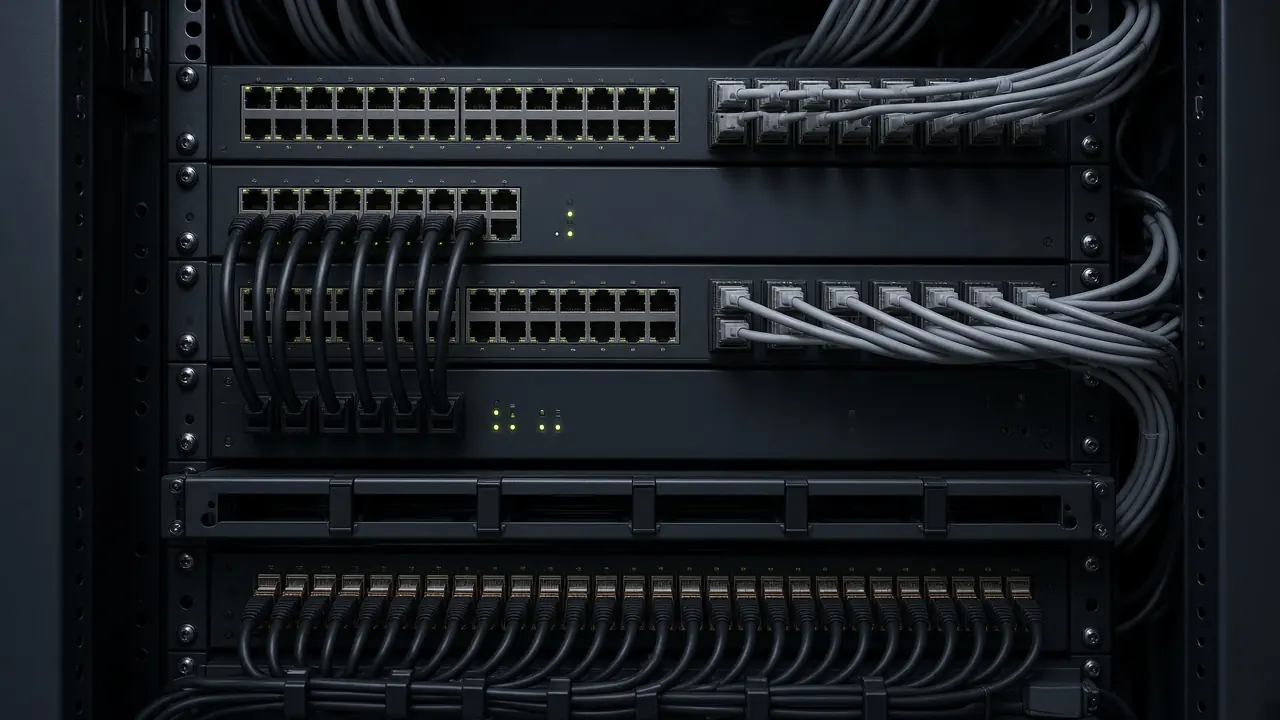
Switching, routing, wireless and related network infrastructure according to project requirements.
NOVATELIA TECHNOLOGY CATALOG
Novatelia supports project technology procurement by reviewing and consolidating multi-vendor requirements, identifying exact manufacturer models and part numbers, coordinating technical verification, evaluating alternatives where required, and preparing structured commercial responses for infrastructure projects.
Customers can submit a BOM, BOQ, RFQ, tender, technical specification or exact equipment requirement. Availability, lead time, warranty, country of origin, compatibility and alternative options are handled according to the specific requirement and available supporting evidence.
A requirement that still needs review can start with Requirement Review & Technical Assessment. A requirement that still needs a topology can start with Network & Infrastructure Design Support.
Send the procurement information already available. Exact manufacturer part numbers and technical specifications should be preserved wherever provided, because small differences in model, revision, interface, licensing or accessory requirements can materially change the requested product.
Procurement review
Models, quantities, and the dependencies between lines.
Availability and lead time on this path mean confirmation required. This page does not show live stock.
Input. Manufacturer, model, and part number where provided.
Action. Separate identity from a similar product name.
Output. An identity note. Similar names are not treated as the same product.
Technology procurement often depends on exact product identity. A similar product name does not automatically represent the same model, configuration or compatibility. Novatelia reviews the available manufacturer, model and part-number information before a requirement is treated as procurement-ready.
Part number identity matters. Similar names do not automatically mean equivalent products.
The part number is the identity check. A similar name is not enough.
Infrastructure projects frequently combine networking, compute, storage, fiber, security, surveillance, test equipment and other technologies from multiple manufacturers. Procurement support can consolidate these requirements into a structured project sourcing workflow while preserving technical identity and project-specific constraints.
When the requested product is unavailable, discontinued, commercially impractical or an alternative is explicitly requested, candidate products can be reviewed against the required technical characteristics. A candidate should not be described as equivalent until the relevant requirements have been verified.
A candidate is a proposal, not a declared equivalent.
Confirm the requested manufacturer, model, and part number.
Verify availability or lifecycle information from appropriate sources where possible. This page does not label a product end-of-life.
The constraint may be availability, a long lead time, regional availability, or a configuration issue. No stock figure and no lead time are invented here.
A manufacturer replacement or a candidate alternative can be reviewed where that is appropriate.
Compare the mandatory technical requirements. Equivalence is not assumed.
Keep the substitution visible and obtain approval where required.
Switching, routing, wireless and related network infrastructure according to project requirements.

Server, storage, rack and supporting data-center infrastructure according to the defined project scope.
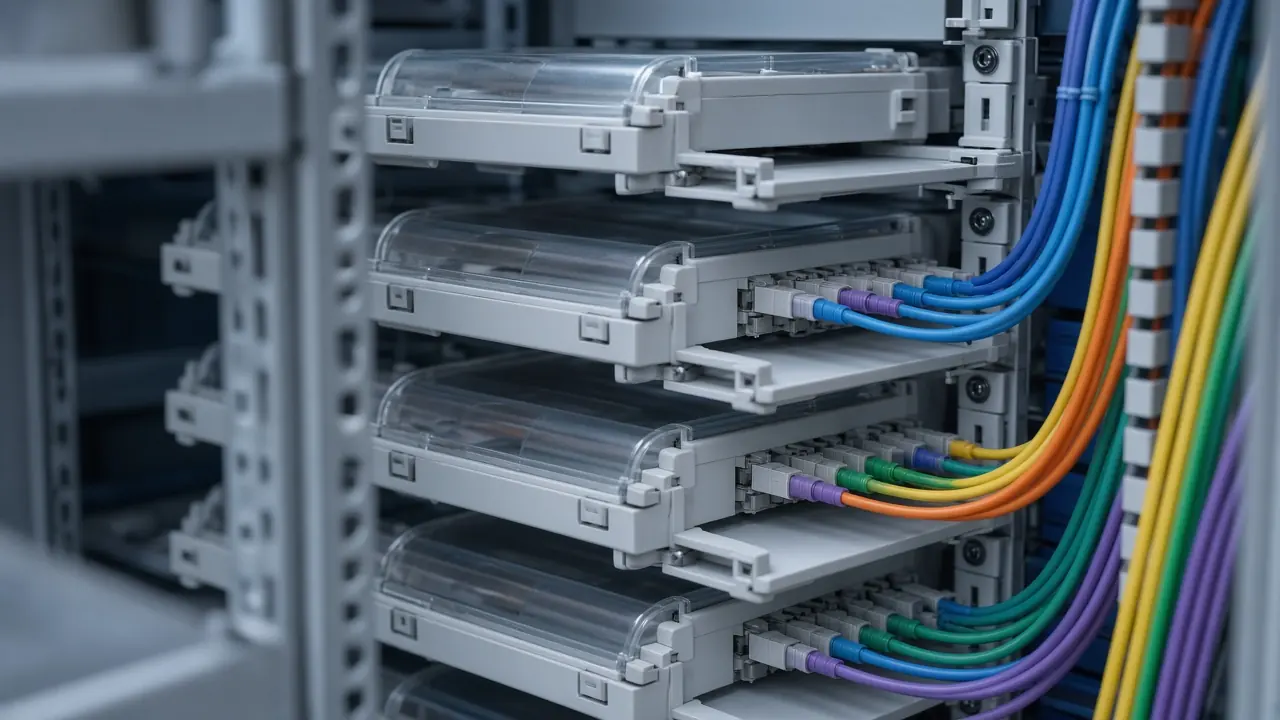
Fiber cable, connectivity, termination, optical components and related infrastructure based on the project specification.

CCTV, recording, access and related infrastructure where included in the customer requirement.
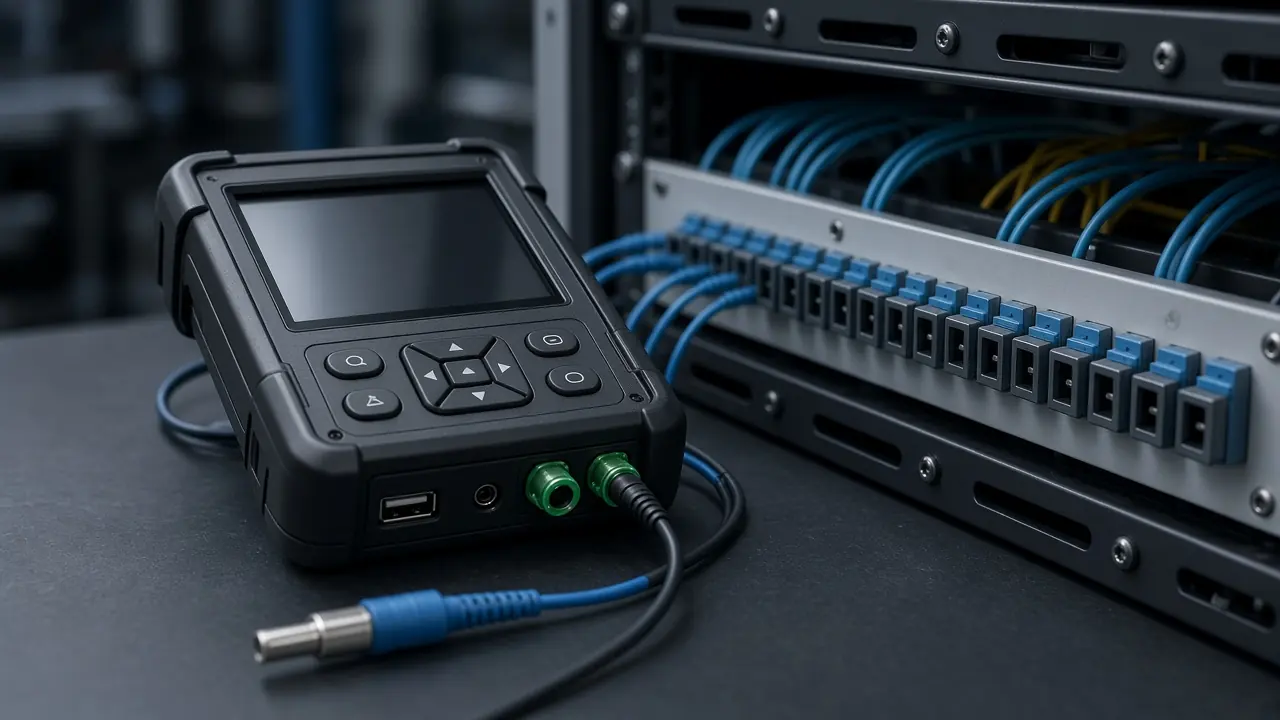
Network, fiber and infrastructure testing equipment according to exact model or technical requirement.
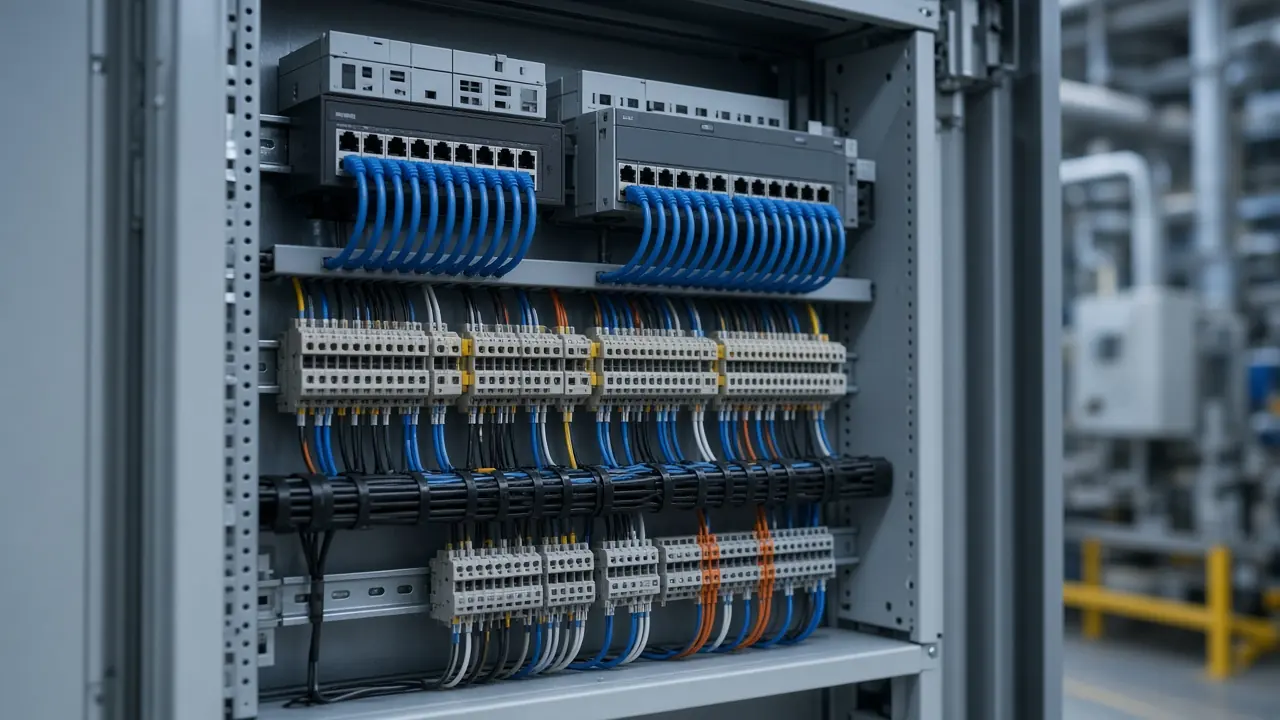
Industrial networking, connectivity and supporting infrastructure according to project specifications.
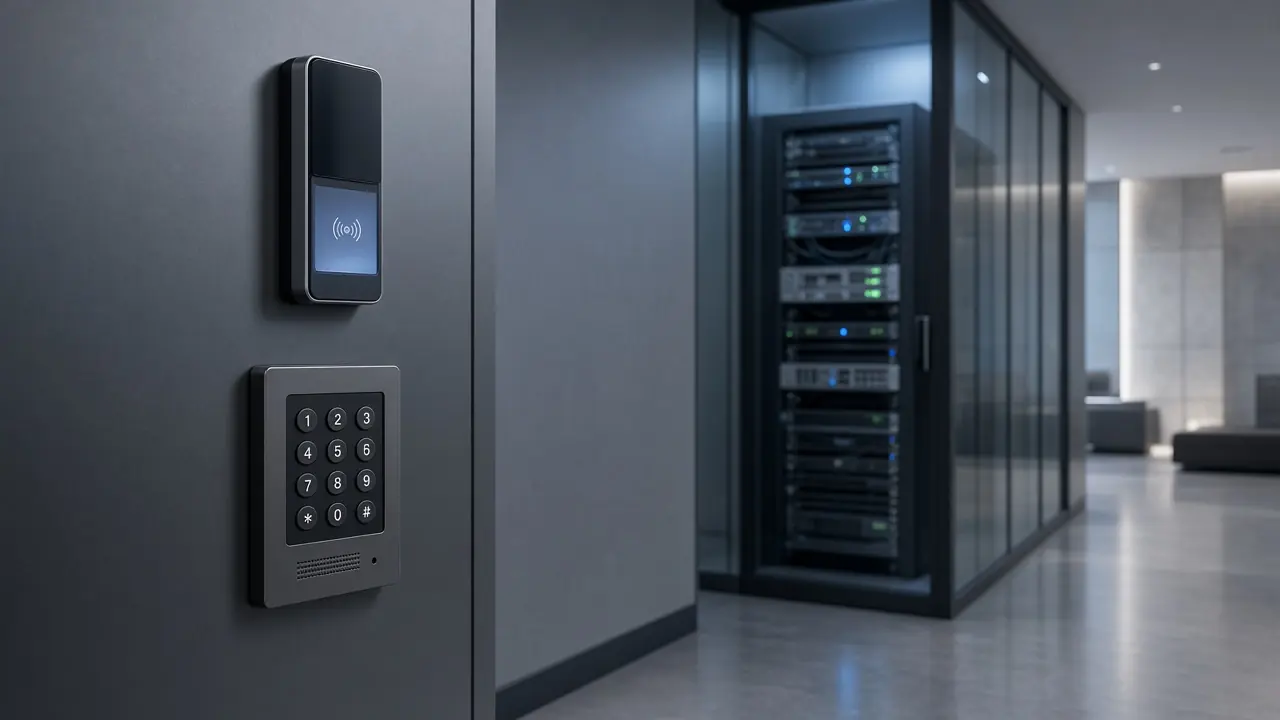
Infrastructure components supporting smart building, hotel and connected-environment projects.

Compute, storage and network infrastructure for AI and HPC requirements where specifically defined.
Switching, routing, and wireless stay separate lines.
For tender and project requirements, procurement support can organize equipment lines, manufacturer restrictions, technical specifications, documentation requirements and commercial inputs before a quotation or sourcing response is finalized.
This is not legal tender consultancy. Compliance and a tender award are not guaranteed.
Price alone must not silently change technical identity. If the model, configuration, license, accessories, country-of-origin requirement, or lead time changes, or if an alternative is proposed, that difference stays visible in the commercial process.
Documents are coordinated where available, where required, and according to project scope. Not every manufacturer provides every document, and certificates are not created on this page.
Where procurement includes equipment from multiple sources, delivery requirements can be coordinated around the project destination, available lead times and shipment structure. Specific logistics commitments are confirmed per requirement.
Input. Manufacturer, model, part number, quantity, and configuration.
Action. Confirm manufacturer, model, part number, quantity and configuration.
Output. An identity for each line that can be read.
The exact commercial and technical information available depends on the requested products, manufacturers, suppliers and project requirements.
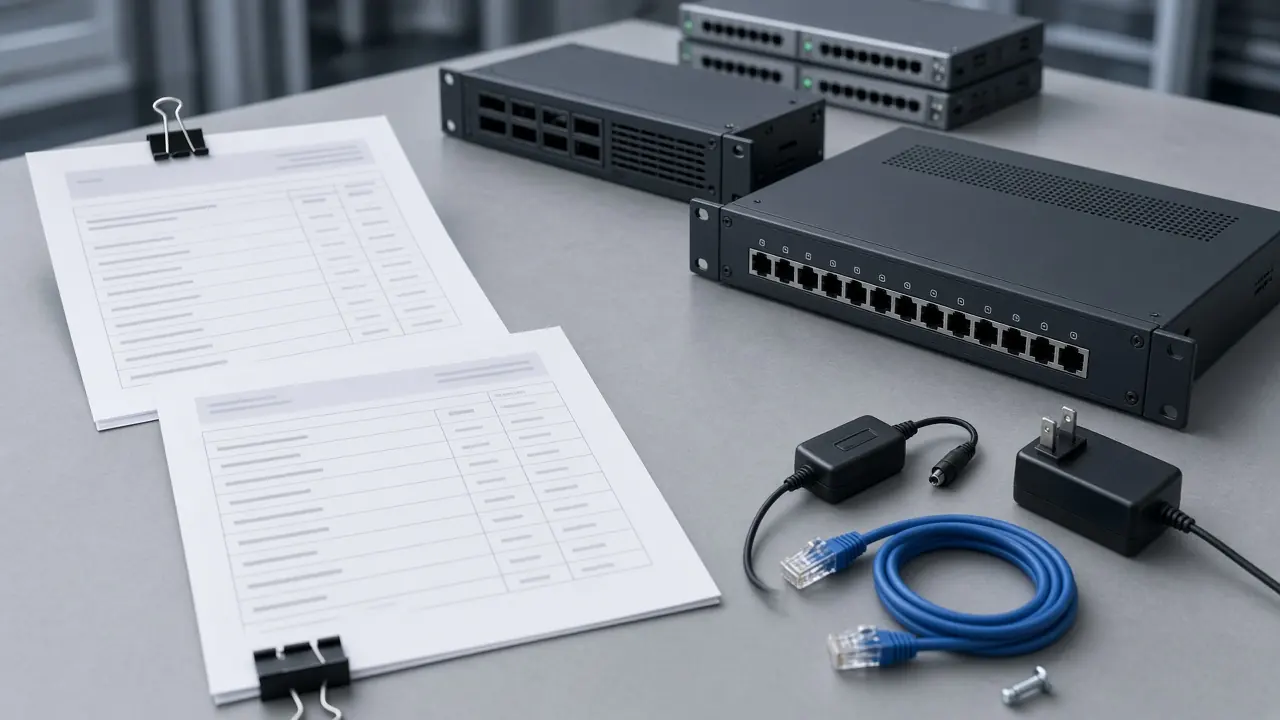
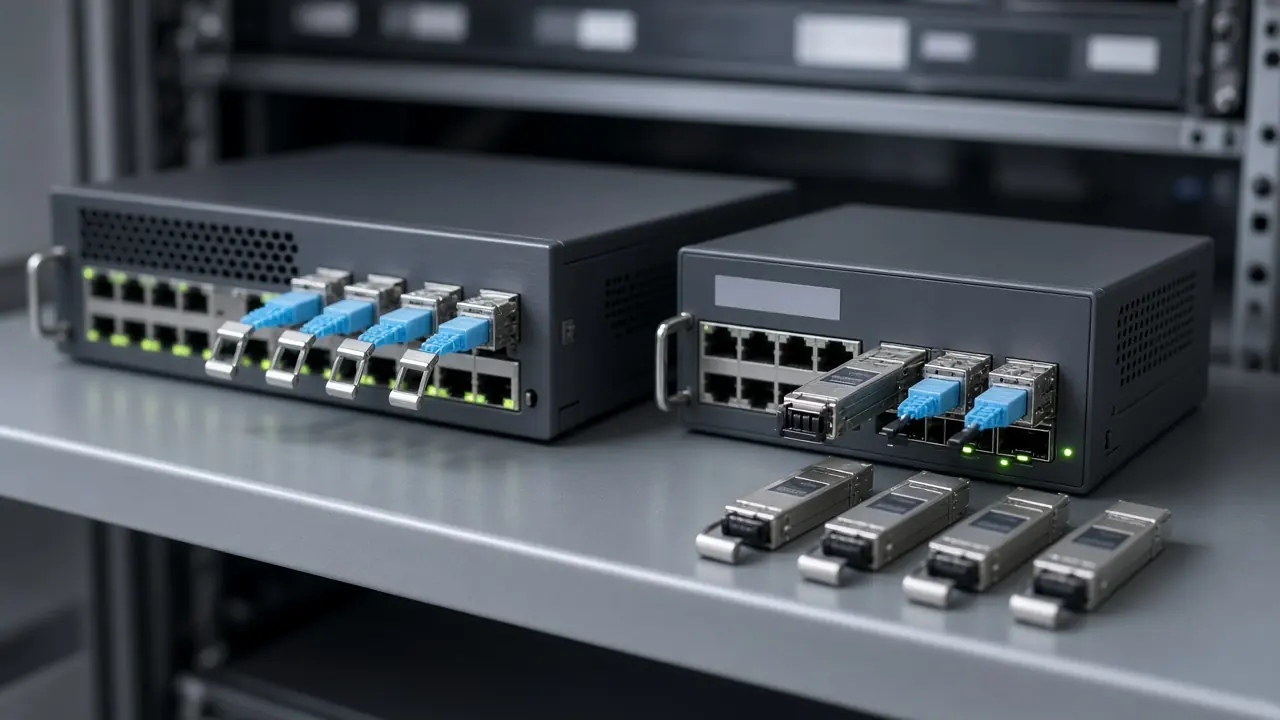
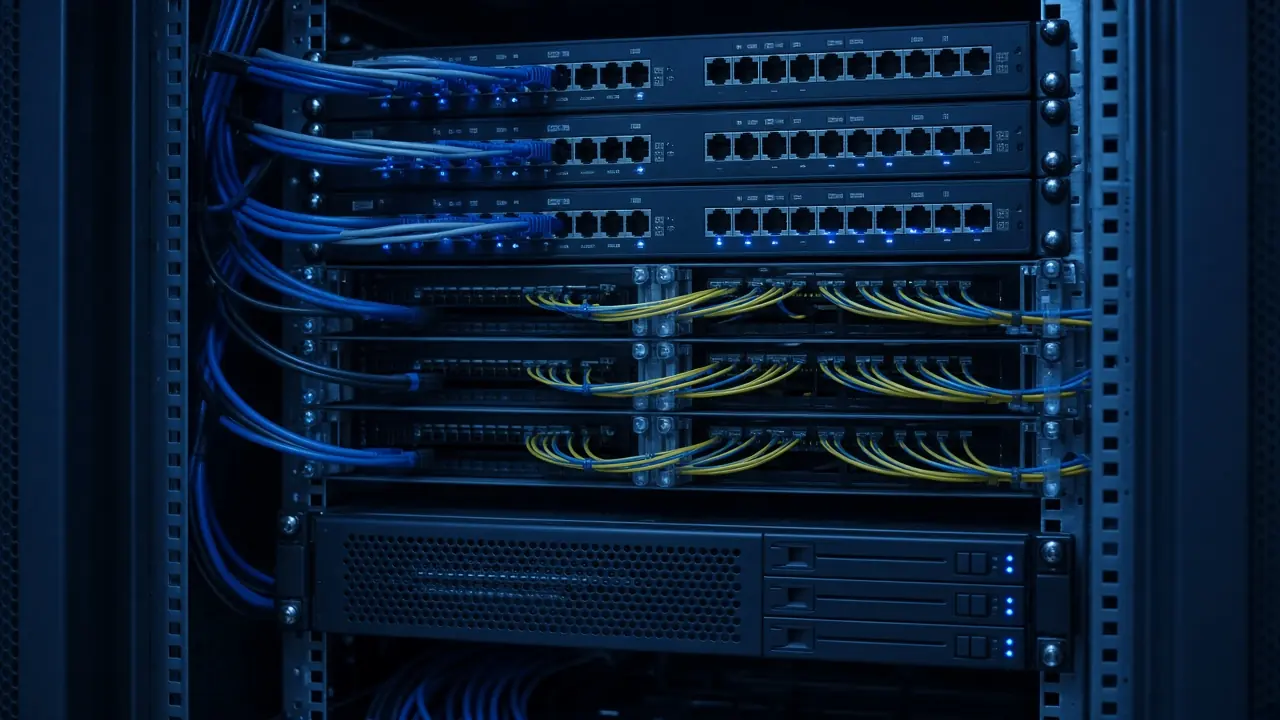
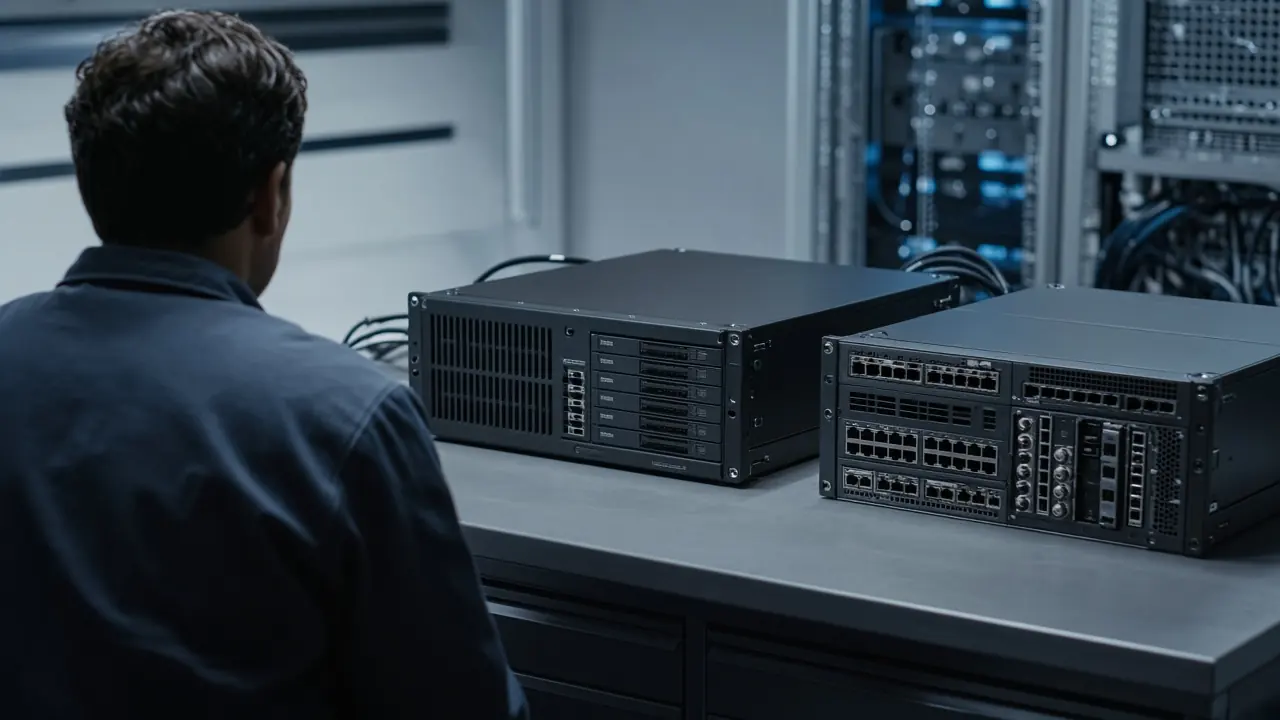
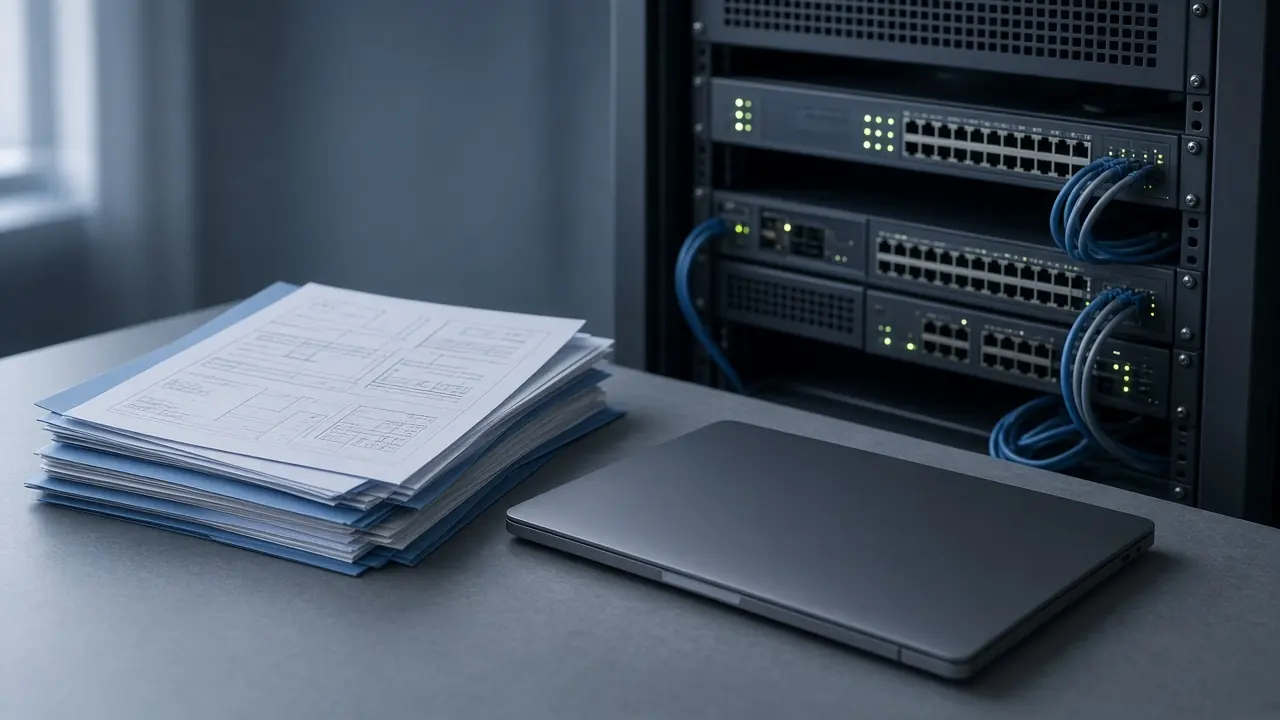
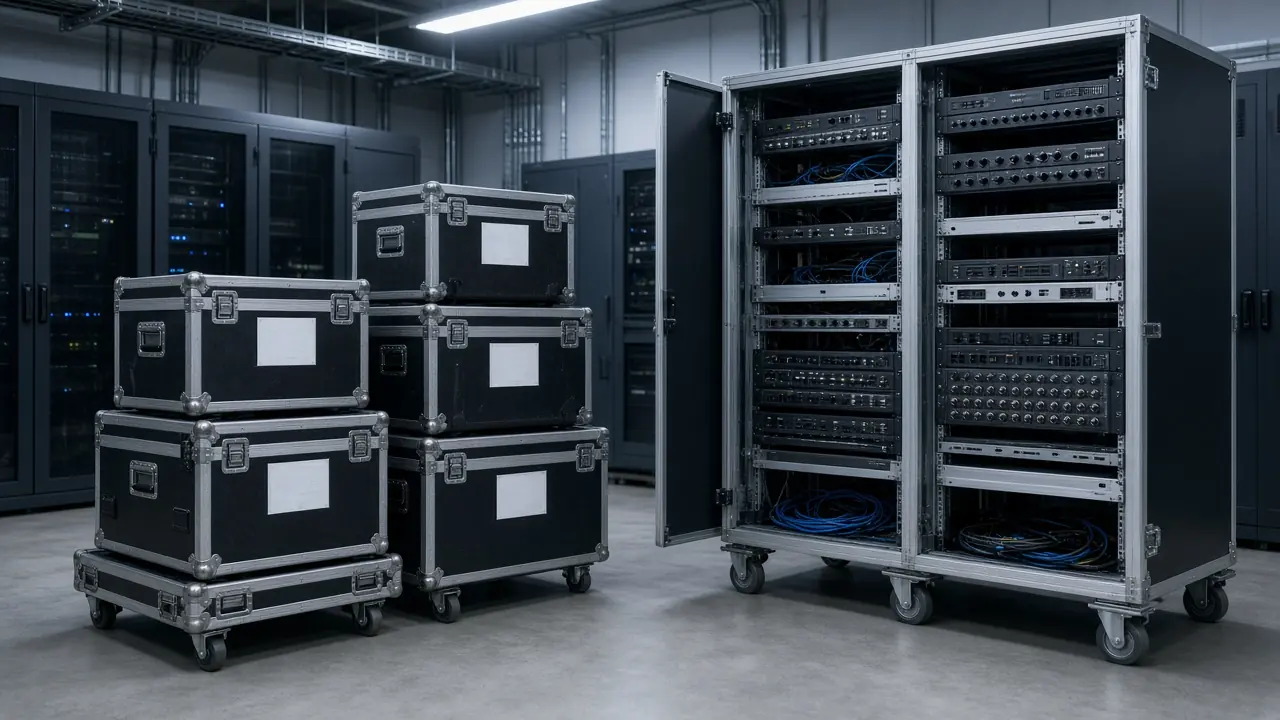
Published infrastructure scope also includes enterprise networking.
Equipment references stay on the published catalog.
Open the catalogBrand pages are the published brand directory. A brand page is not an authorization claim.
Open brandsCompatibility is a separate published reference.
Open compatibilityProcurement requirements enter through the same public intake.
Open the RFQLocation information is the published locations page.
Open locationsEnterprise networking, data center, and fiber pages describe infrastructure scope.
Open solutionsAnswer. Yes. Multi-vendor requirements can be consolidated into a structured procurement workflow while preserving manufacturer, model, part-number and project-specific technical requirements.
Scope. Lines from more than one manufacturer.
Condition. Each line keeps its own identity.
Limitation. Consolidation is not authorization to supply every brand, and it is not a stock promise.
Answer. Yes. A BOM or BOQ can be submitted for product identification, technical clarification and commercial sourcing. Exact model and part-number information should be preserved where available.
Scope. The lines and quantities supplied.
Condition. A readable model or part number is needed before identity can be discussed.
Limitation. Submitting a list does not mean every line is available.
Next. Submit BOM / RFQ
Answer. Yes, exact part-number requirements can be reviewed for sourcing. Availability, lead time and commercial terms must be confirmed for the specific requirement.
Scope. The stated manufacturer and part number.
Condition. Revision and configuration matter when they are part of the number.
Limitation. A similar name is not the same part.
Next. Request product sourcing
Answer. The requested model should first be verified. Where a product is confirmed as discontinued, a manufacturer replacement or candidate alternative may be reviewed against the required technical characteristics.
Scope. A line whose status has been checked.
Condition. Discontinued status has to come from an appropriate source for that product.
Limitation. This page does not label any product end-of-life, and a candidate is not an equivalent.
Answer. Yes, where an alternative is requested or necessary. Candidate products should be compared against the mandatory technical requirements and should not be treated as equivalent until the relevant conditions are verified.
Scope. A requested or necessary alternative.
Condition. Mandatory characteristics have to be stated.
Limitation. Equivalence, a direct replacement, and automatic compatibility are not claimed.
Answer. Compatibility review can consider model identity, interfaces, speed, media type, connectors, software or licensing dependencies, power, physical requirements and the existing system context, depending on the product.
Scope. The interfaces and dependencies of that product.
Condition. The existing system has to be described where it affects fit.
Limitation. A shared category is not evidence that two products work together.
Answer. Yes. Tender equipment requirements, BOMs, BOQs, approved manufacturer requirements and technical specifications can be reviewed to structure sourcing and quotation inputs. This does not guarantee tender compliance or award.
Scope. The equipment lines in the tender.
Condition. Required brands and documents are recorded as stated.
Limitation. This is not legal tender consultancy, and it does not claim an award.
Answer. Where available, country-of-origin and warranty information can be included or coordinated for the specific product requirement. These details should be confirmed rather than assumed.
Scope. The specific products in the requirement.
Condition. The information has to be available for those products.
Limitation. Origin and warranty are not assumed from a category name.
Answer. Multi-vendor requirements can be consolidated into a structured commercial response where the required products and sourcing conditions permit.
Scope. One project with several manufacturers.
Condition. Sourcing conditions have to allow the lines to be quoted together.
Limitation. One quotation does not erase per-line technical identity.
Next. Submit BOM / RFQ
Answer. Yes, a project requirement may include multiple infrastructure domains. Each line should still be identified and reviewed according to its specific manufacturer, model and technical requirements.
Scope. A mixed infrastructure list.
Condition. Each domain is reviewed on its own lines.
Limitation. A mixed list is not a claim that every category is stocked.
Answer. Send the available BOM, BOQ, RFQ, tender, manufacturer names, part numbers, quantities, technical specifications, required delivery destination and any warranty, origin or documentation requirements.
Scope. Whatever the project already has.
Condition. Exact part numbers should be preserved where they exist.
Limitation. A project title alone is not a quotation request.
Next. Submit BOM / RFQ
Answer. Yes. Datasheets and Approved Vendor Lists can help identify technical constraints, permitted manufacturers and documentation requirements for the procurement review.
Scope. The files the customer already holds.
Condition. Use the existing RFQ intake.
Limitation. This page does not add a second upload system.
Next. Submit BOM / RFQ
Answer. No. Product availability must be confirmed for the specific model, quantity, source and timing of the requirement.
Scope. The models named in the RFQ.
Condition. Confirmation is per requirement.
Limitation. An RFQ is not a stock statement.
Next. Submit BOM / RFQ
Answer. No. A technical or commercial substitution should remain visible. Where an alternative is proposed, the relevant requirements should be reviewed and customer approval obtained where required.
Scope. Lines that cannot be supplied as requested.
Condition. The difference has to stay visible in the commercial response.
Limitation. Silent substitution is not part of this service.
Share your equipment list, manufacturer part numbers, technical specification or tender documents. Novatelia can review the requirement, identify clarification points and prepare the appropriate sourcing and commercial response.
Enterprise infrastructure insights, product updates, and RFQ opportunities for GCC technical buyers.