EX-01
Requirement: Example link
Criterion: Defined up state
Method: Interface observation
Expected: Up. Actual: Example only. Status: Example.
NOVATELIA TECHNOLOGY CATALOG
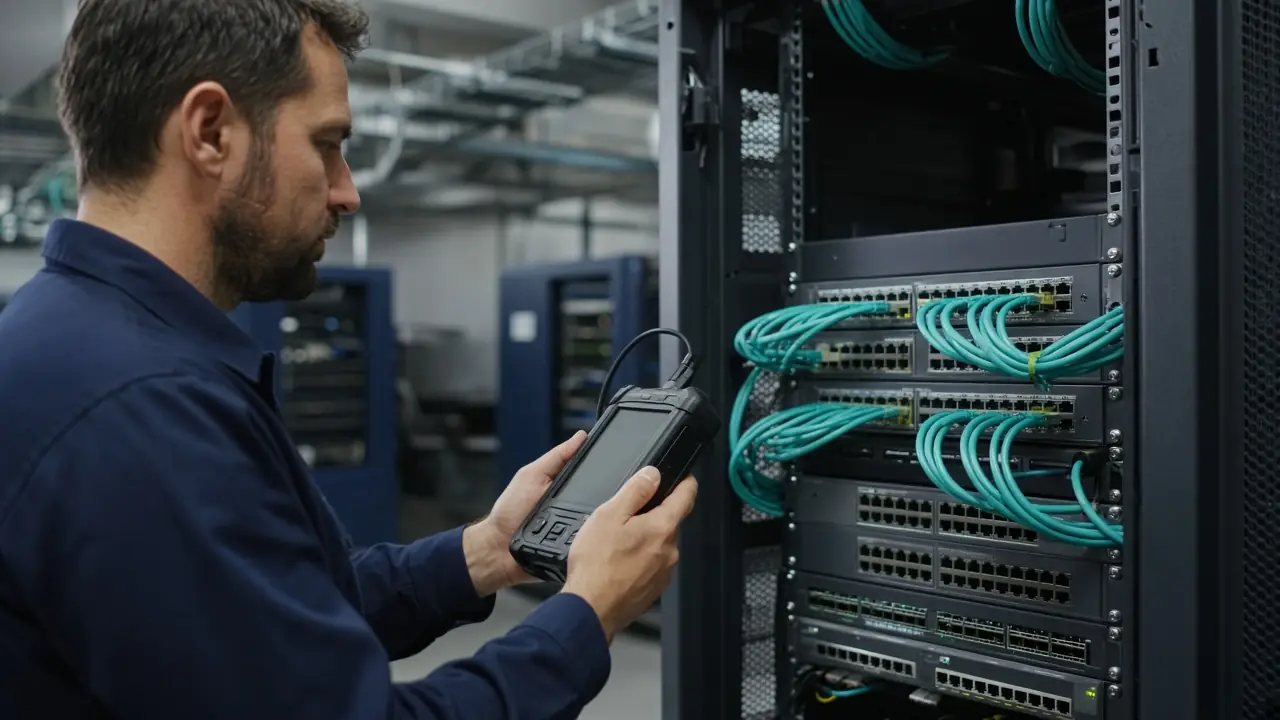
Novatelia supports defined testing, validation and acceptance activities for network, fiber, cabling, data center, surveillance and connected infrastructure projects. Testing is performed against the approved project scope, applicable technical criteria and available acceptance requirements, with results documented for issue resolution and handover where included.
The test method and acceptance decision must match the infrastructure being evaluated. A physical installation, successful power-on or basic connectivity check does not by itself prove full project acceptance. Novatelia provides this support in Oman for infrastructure projects. Installation and fiber and structured cabling stay separate services.
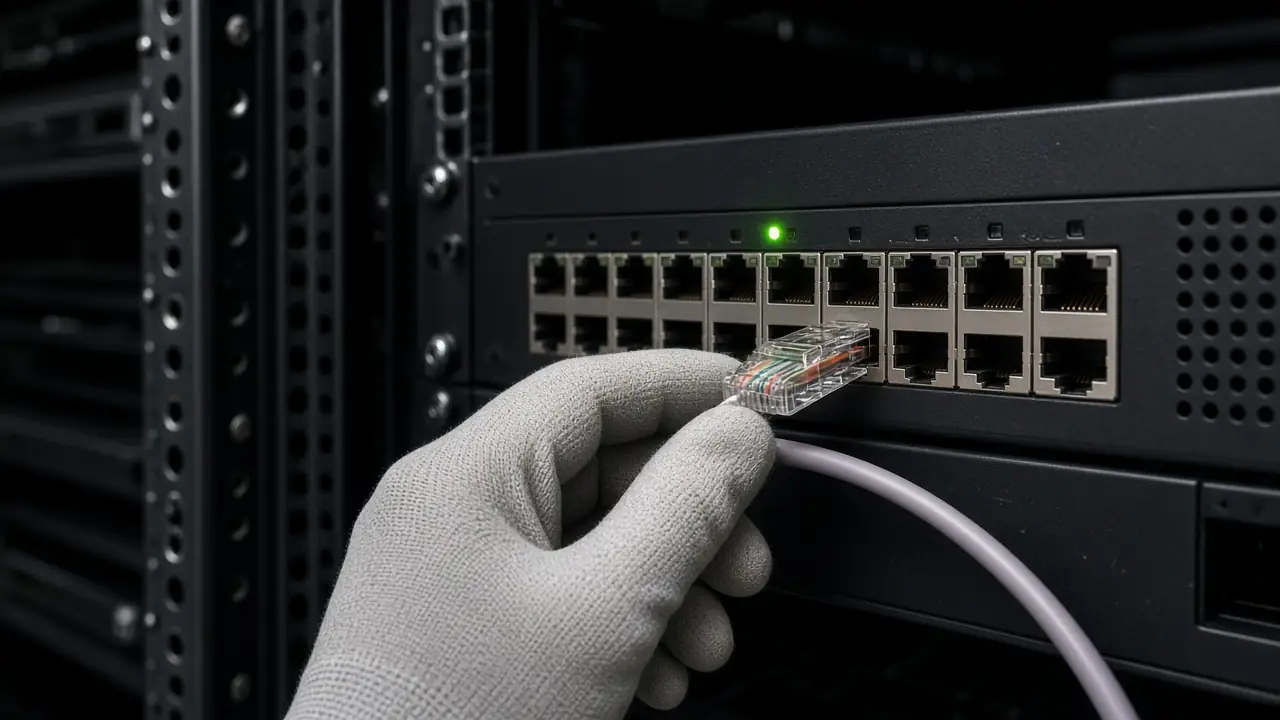
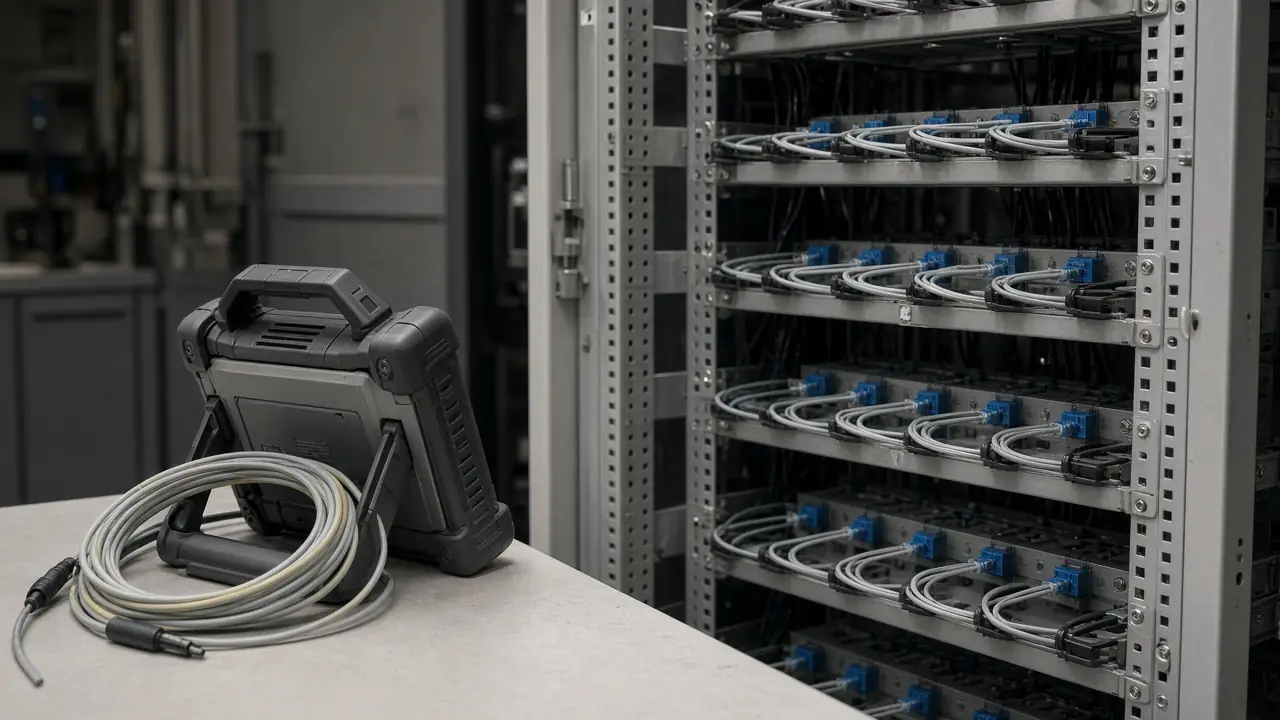
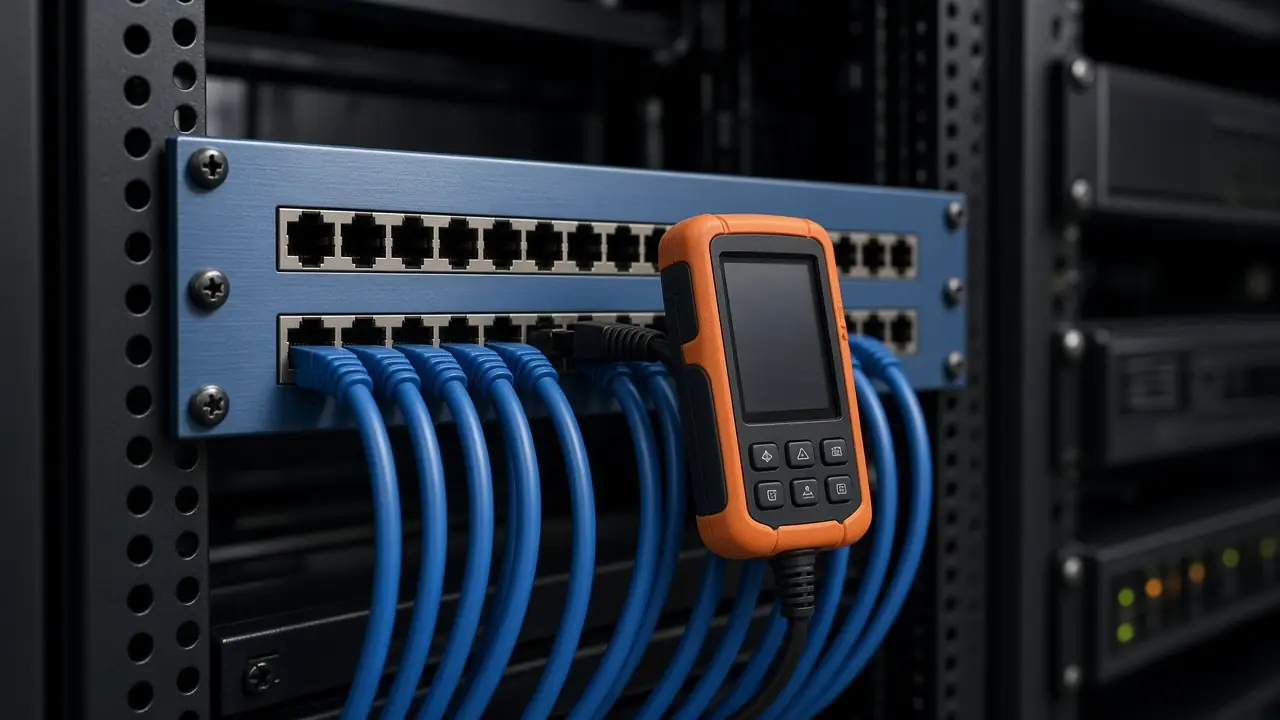
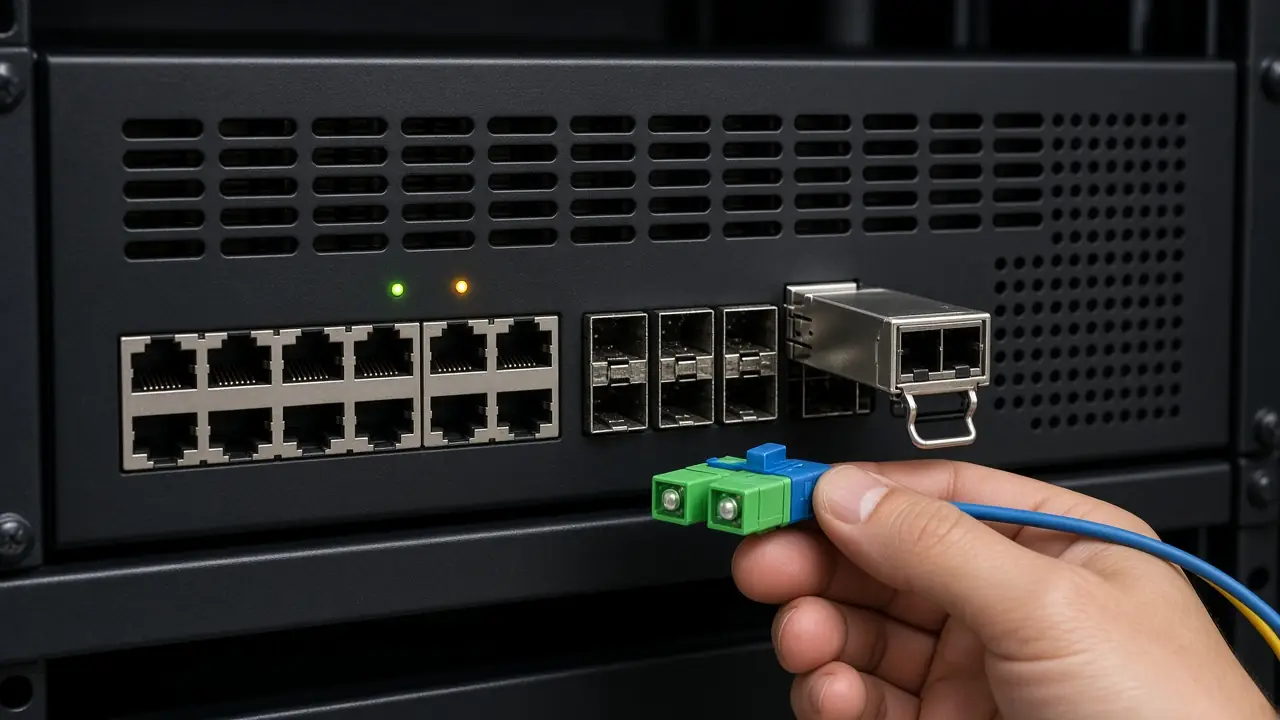
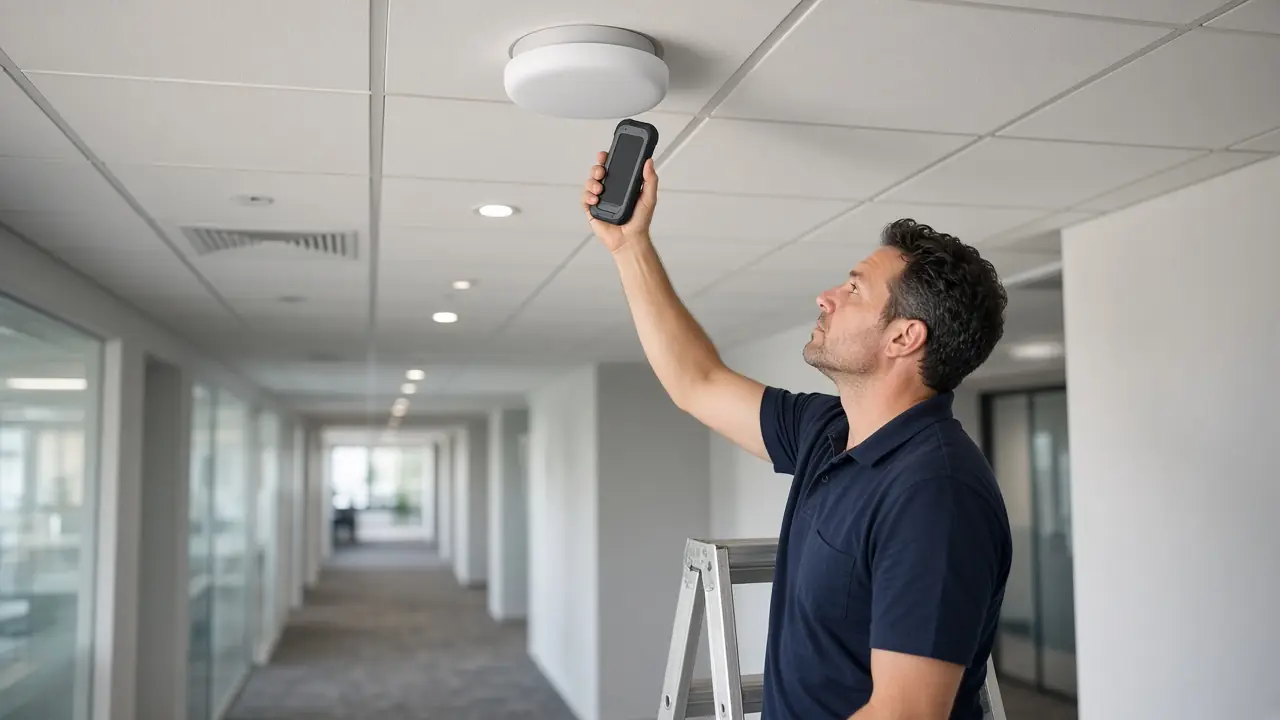

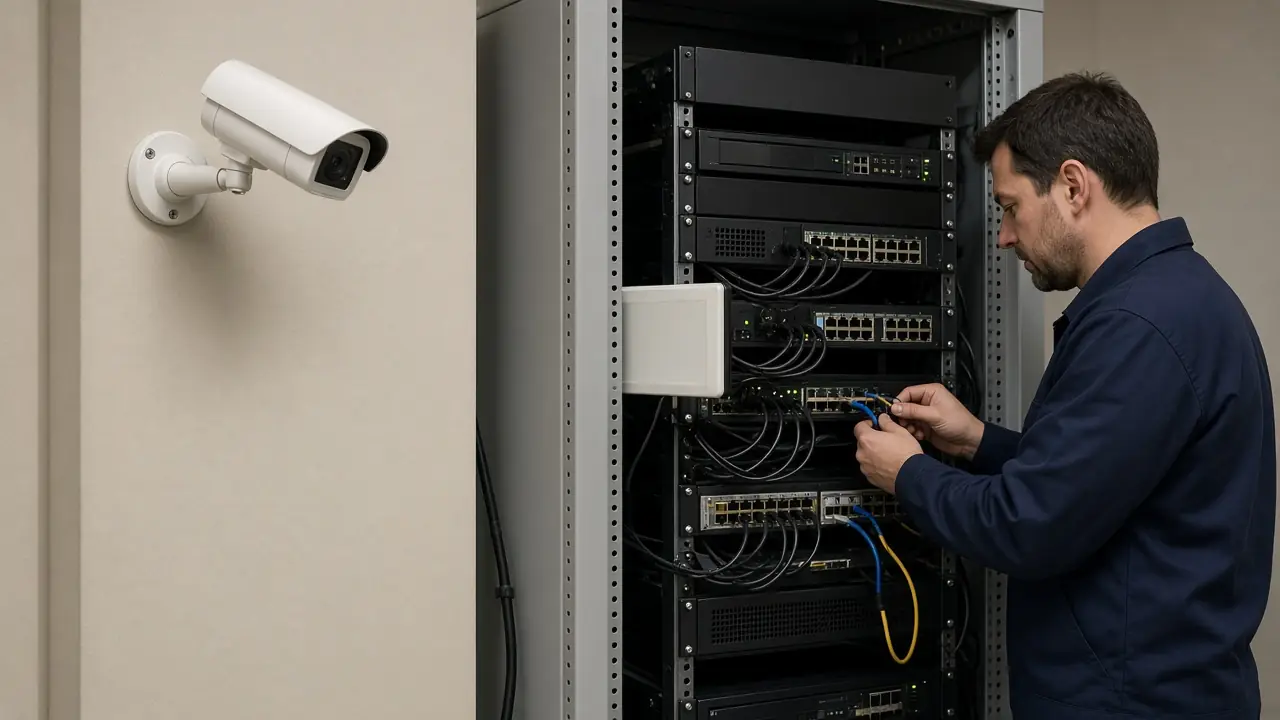
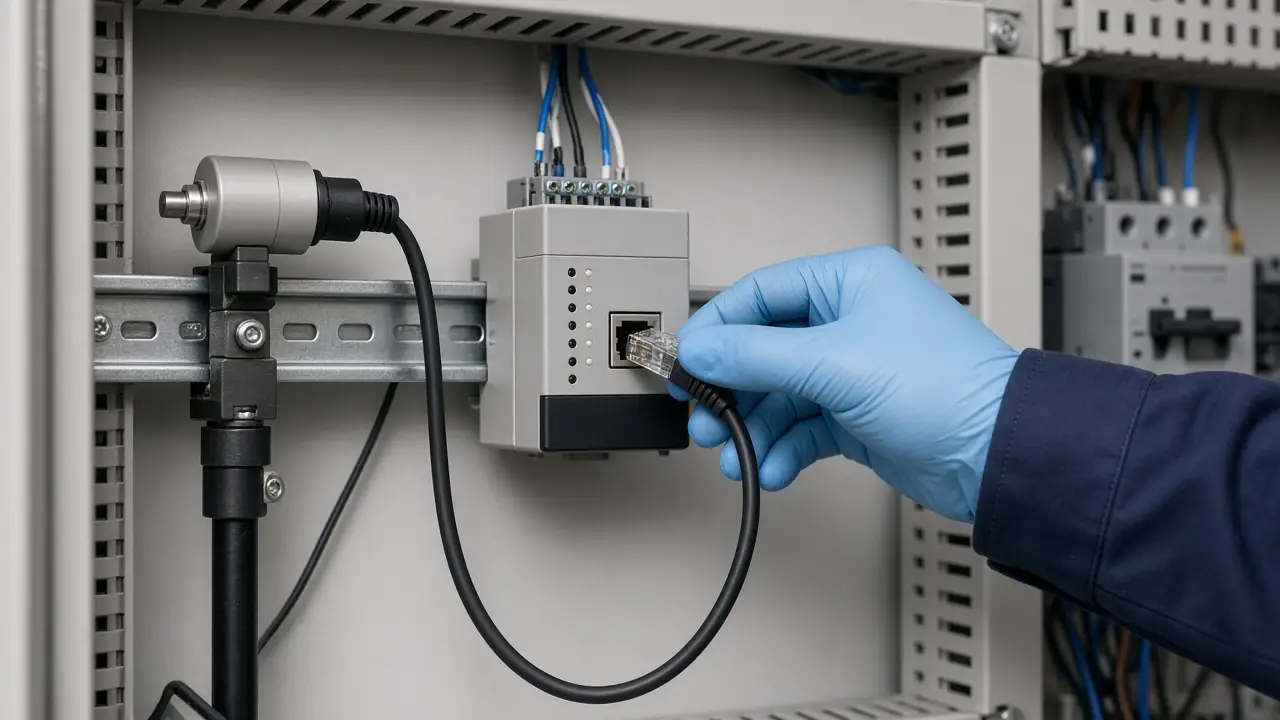
Can be checked. Defined link state, reachability, and path checks named in the scope.
Evidence. A record of what was observed for those checks.
Does not prove. It does not prove performance, security, resilience, or full acceptance.
Input. A specification, design, limit, checklist, or contractual criterion.
Action. Name the criterion for each formal test.
Output. A criterion, or a note that none is defined.
Conceptual status model
These words are the vocabulary. They are not a project score, and no percentage is shown.
The item is in view and has not been checked.
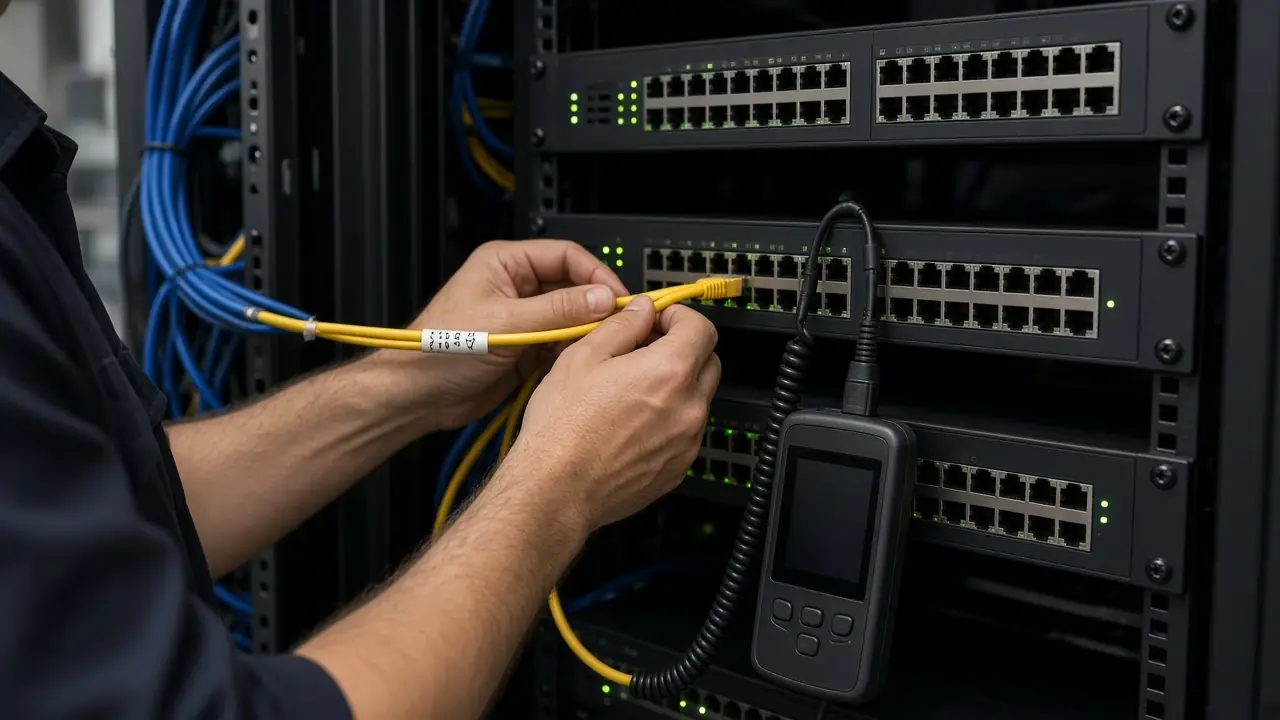
Where defined: physical link state, expected interface state, management reachability, uplink reachability, VLAN reachability, gateway reachability, routing reachability, a defined service path, required port state, and basic path validation.
Ping alone does not prove network performance, application performance, security, resilience, full interoperability, or an SLA. A conceptual path is device, access, distribution, core, then the service. At each point the record keeps expected, observed, and a text status. No customer address is used.
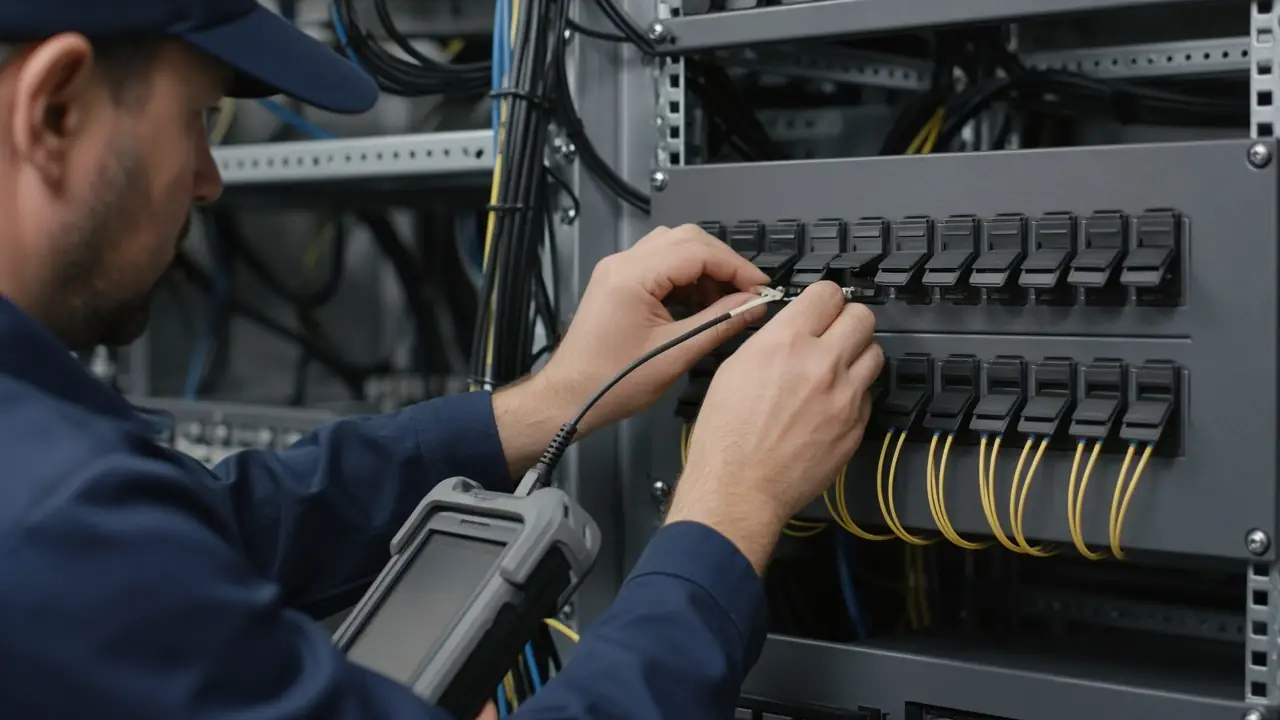
This section complements fiber and structured cabling. It does not replace that service. Methods, where the criteria require them, can include continuity, optical power, insertion loss, OTDR, length, and event review.
OTDR provides valuable information about distance and events along an optical link, but the acceptance method must match the project criteria. OTDR alone should not be treated as universal proof that every optical requirement has passed.
No trace, loss figure, distance, event count, or pass is published here.
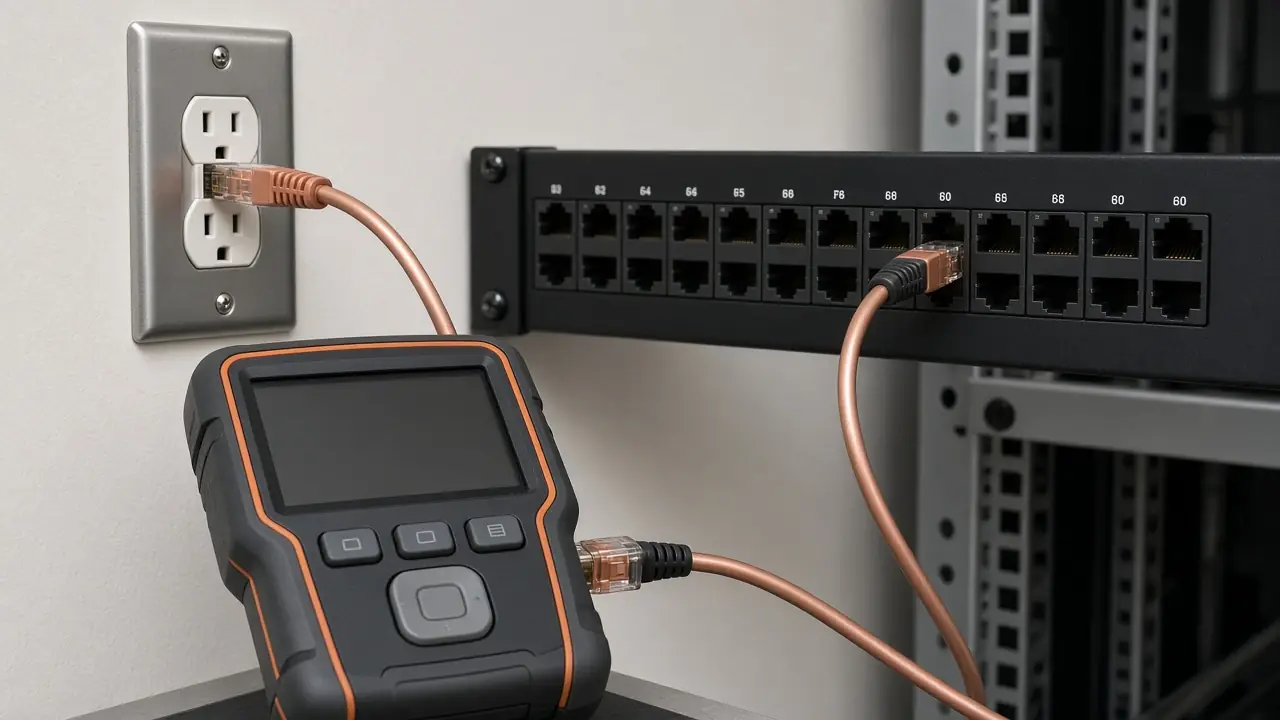
Possible checks: wiremap, continuity, length, pair integrity, and fault identification. Certification testing exists only when the tester, adapter, standard, limit, link definition, and an actual result exist.
A continuity tester does not make a certified Cat6 or Cat6A installation, and it is not a permanent-link or channel result.
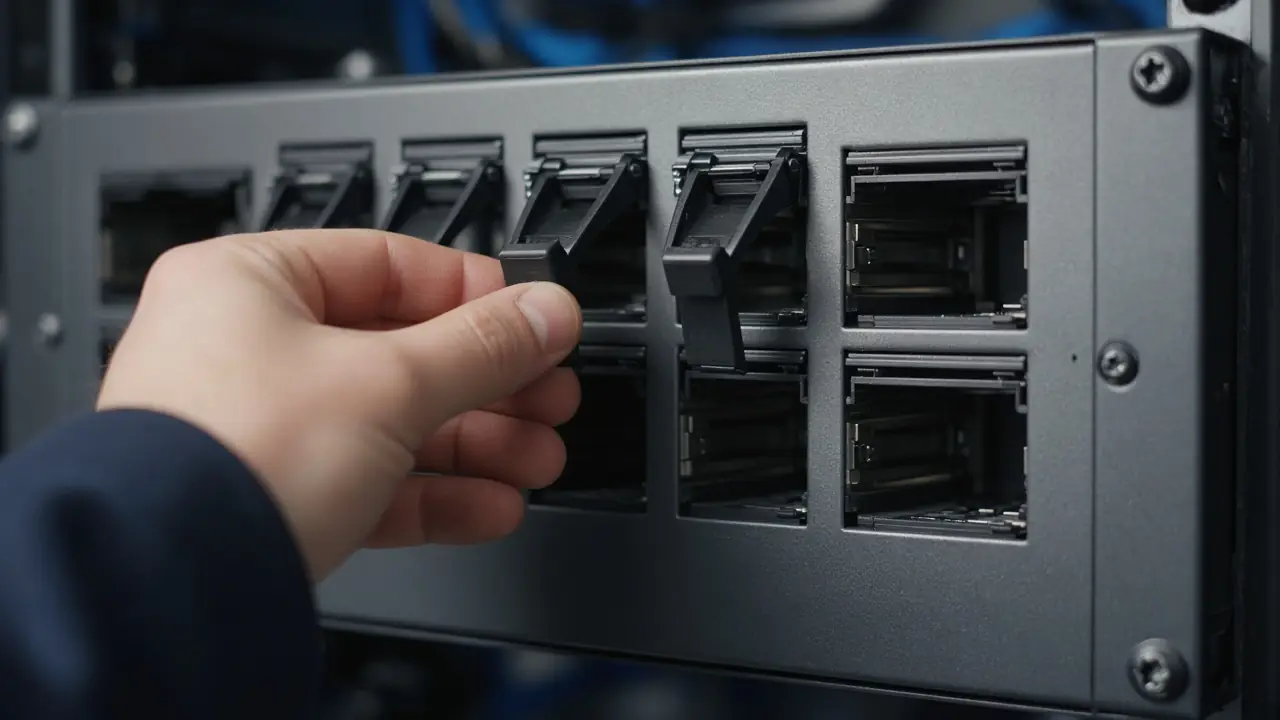
Where scoped: manufacturer, model, part number, expected module, expected interface, expected uplink, power state, physical link, module detection, accessory presence, and project role.
The chain is requirement, device, module, interface, connection, observation. Identity is not functional acceptance.

Where scoped, configuration is compared with an approved reference: baseline present, naming, management settings, VLAN assignment, interface assignment, routing parameters, defined security parameters, time or name service where relevant, version, and backup.
No address, VLAN number, password, policy, or customer configuration is published. Any public example on this page is marked as an example structure, not a customer result.
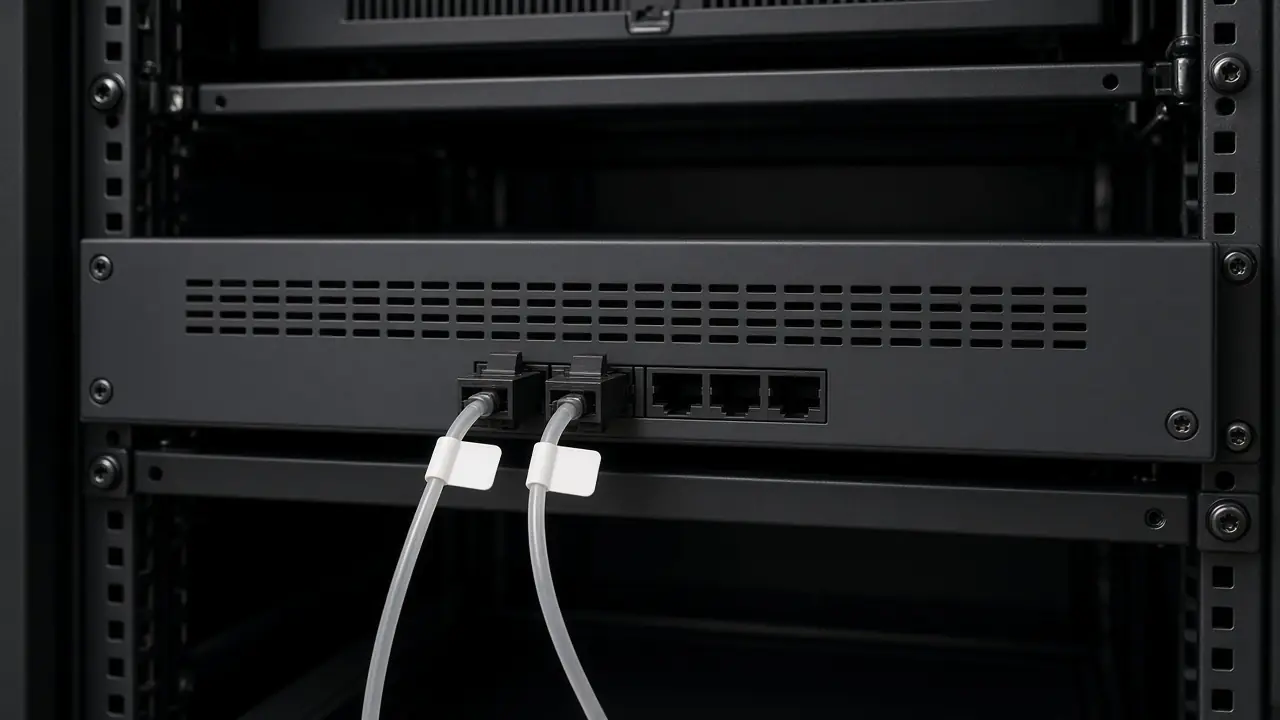
Only where the design defines it: dual uplink, redundant power, a high-availability pair, a secondary WAN, an alternate path, controller redundancy, or a defined service failover.
The conceptual flow is primary active, a defined failure condition, the expected transition, the observed transition, the service state, and the result. No zero-downtime, hitless, or automatic-recovery claim is made.
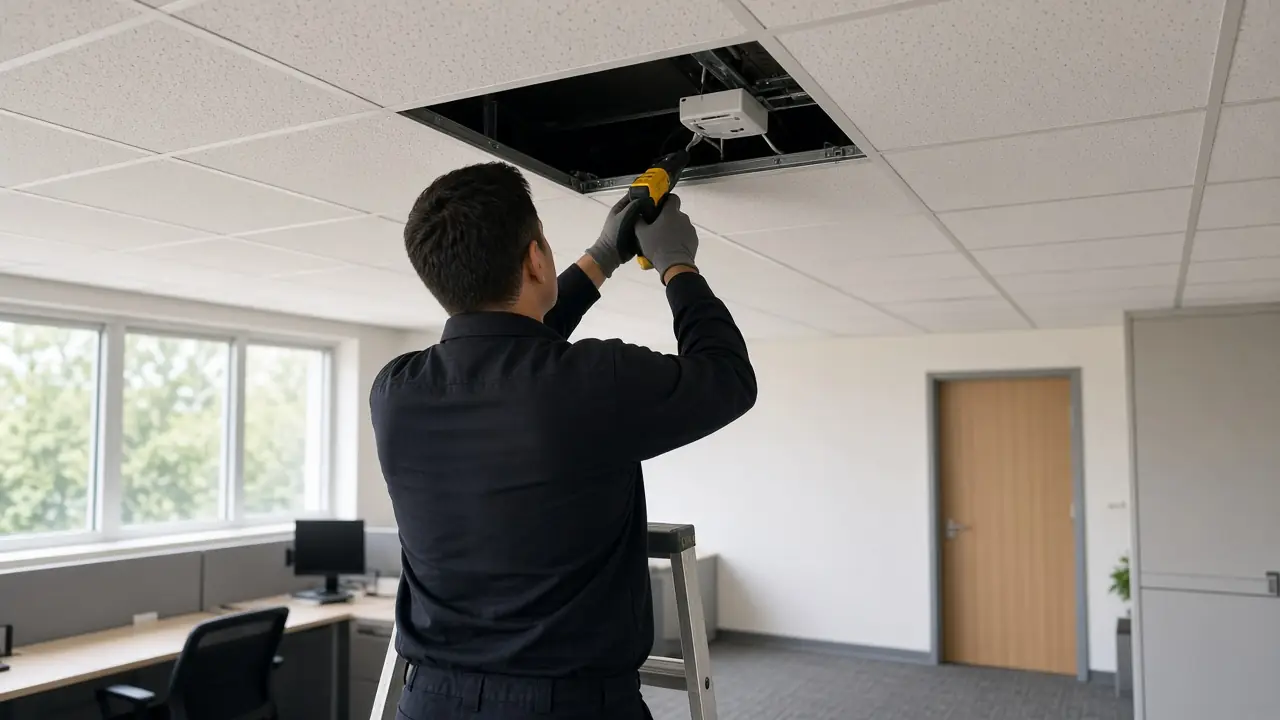
Where scoped: AP online, controller association, SSID availability, client association, basic connectivity, PoE state, and coverage, roaming, throughput, or a survey only when that check is separately defined.
An online AP is not validated coverage. A visible SSID is not accepted wireless performance. No coverage percentage or guaranteed throughput is stated.
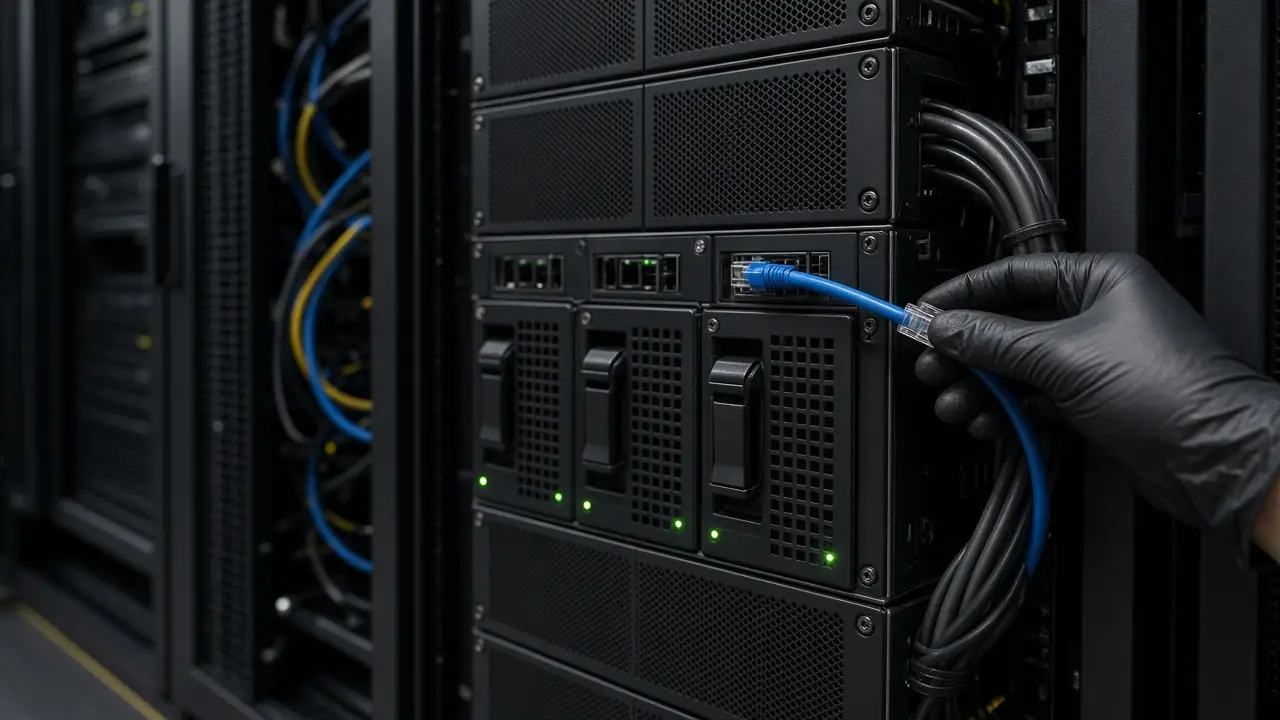
Where scoped: rack position, power state, network connectivity, management connectivity, expected interface state, server visibility, storage visibility, defined fabric connectivity, physical cabling, and redundancy.
Related page: Data center solutions. No tier rating, application performance, storage performance, virtualization validation, or backup validation is claimed.
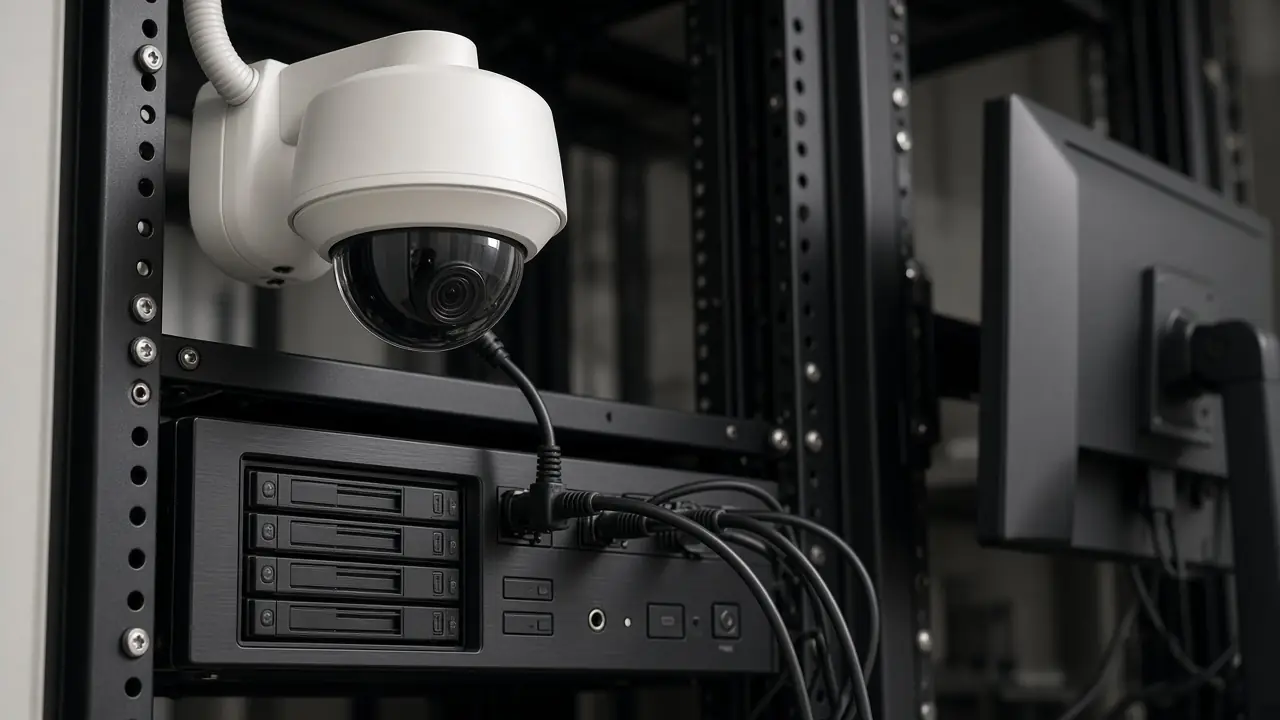
Where scoped: camera online, network reachability, a video stream, recorder or VMS connectivity, recording, playback, timestamp review, a defined position check, storage path, and PoE state.
A visible stream does not prove retention, analytics, security compliance, full coverage, image-quality acceptance, or a regulatory result unless that item was tested.
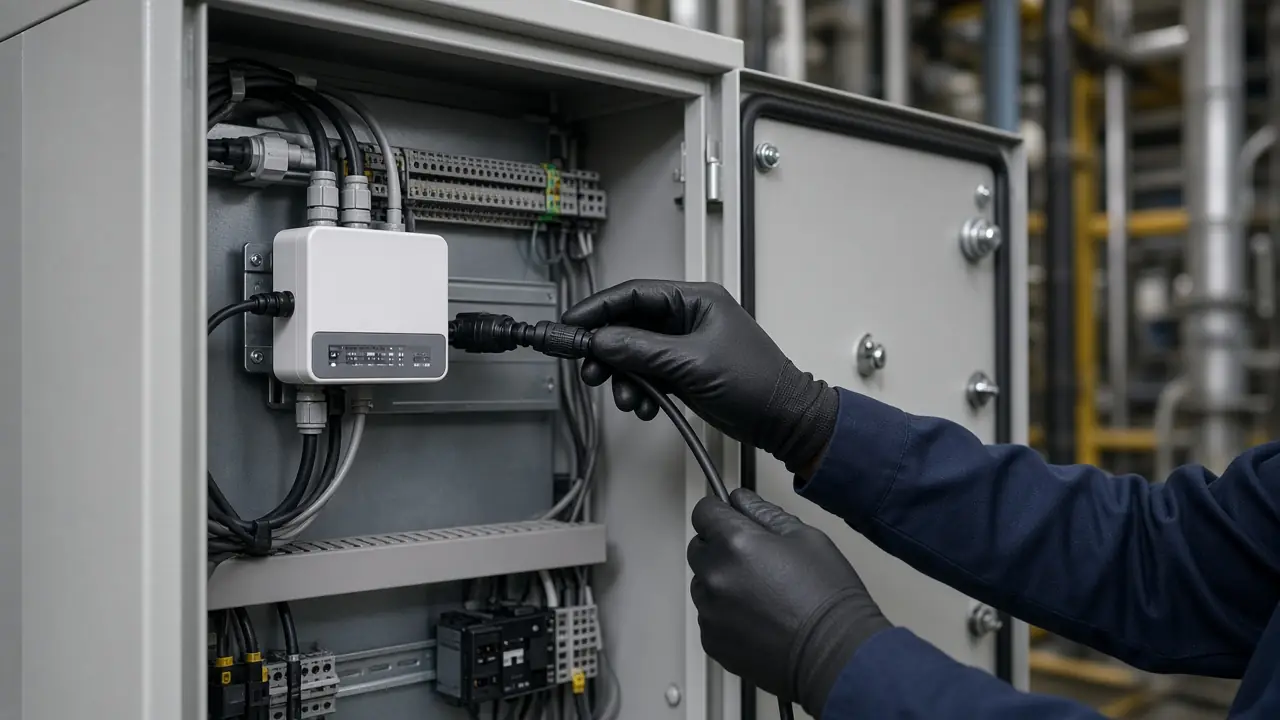
Where scoped: device online, gateway relationship, controller relationship, network connectivity, a defined data path, command and response, sensor state, integration state, and edge connectivity.
The check follows the actual platform, the actual requirement, and the actual method. No generic IoT result is published.
No formal PASS should be declared where the applicable acceptance criterion is undefined.
A formal result maps to at least one source: approved project scope, customer specification, approved design, manufacturer requirement, a defined test limit, an approved checklist, a contractual criterion, or an approved technical requirement.
Example structure — not a customer test result
Requirement: Example link
Criterion: Defined up state
Method: Interface observation
Expected: Up. Actual: Example only. Status: Example.
Requirement: Example fiber
Criterion: Method named in a spec
Method: Not chosen here
Expected: Not set. Actual: No value. Status: Example.
The observation does not meet the criterion.
A failed defined test stays in the record. It is not hidden, rewritten as a pass, dropped from a total, or given a softer criterion after the result. An accepted exception needs the appropriate project authority. Not every exception can be accepted.
Depending on approved scope:
This page does not show a signature, an approval, a witness name, or an acceptance date.
Conceptual acceptance lifecycle
Those outcomes need their own test, their own criterion, and their own evidence.
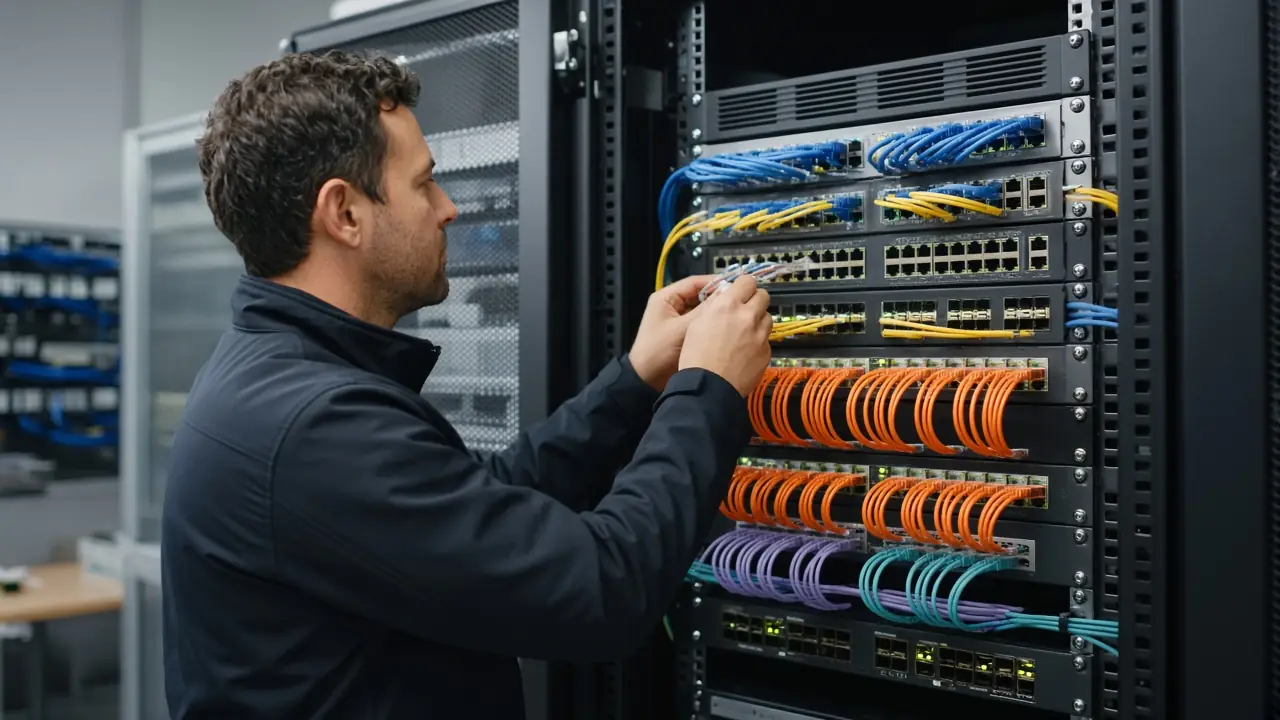
Installation, links, VLAN or routing, connectivity, issues, retest, acceptance
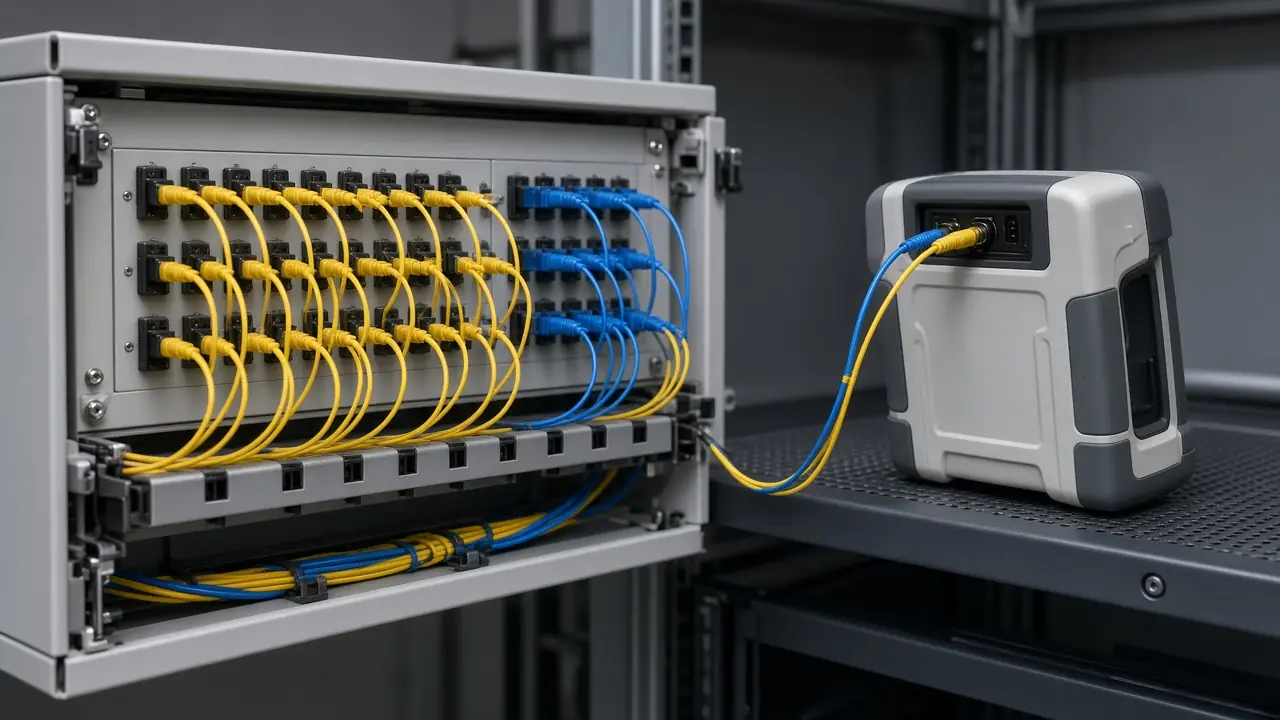
Installed link, optical test, OTDR where required, compare, remediate, record
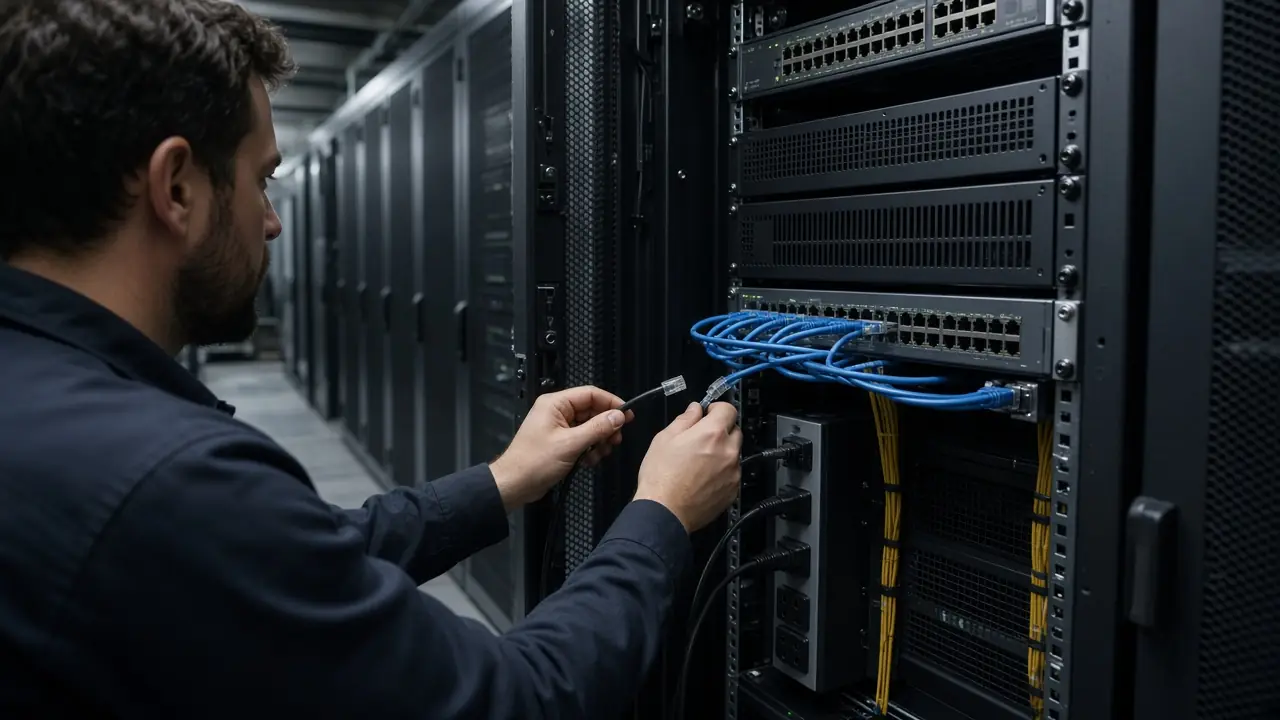
Rack, power, network, management, redundancy, acceptance
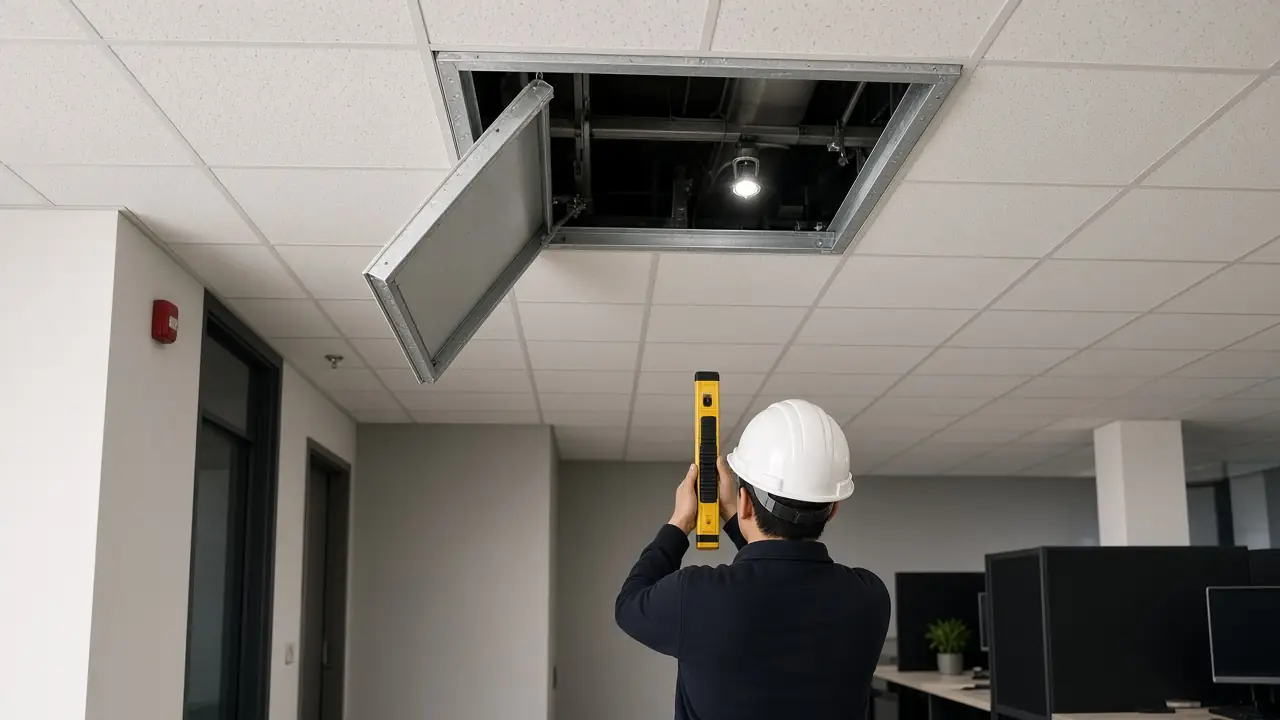
AP, controller, SSID, client, defined coverage or performance checks, acceptance
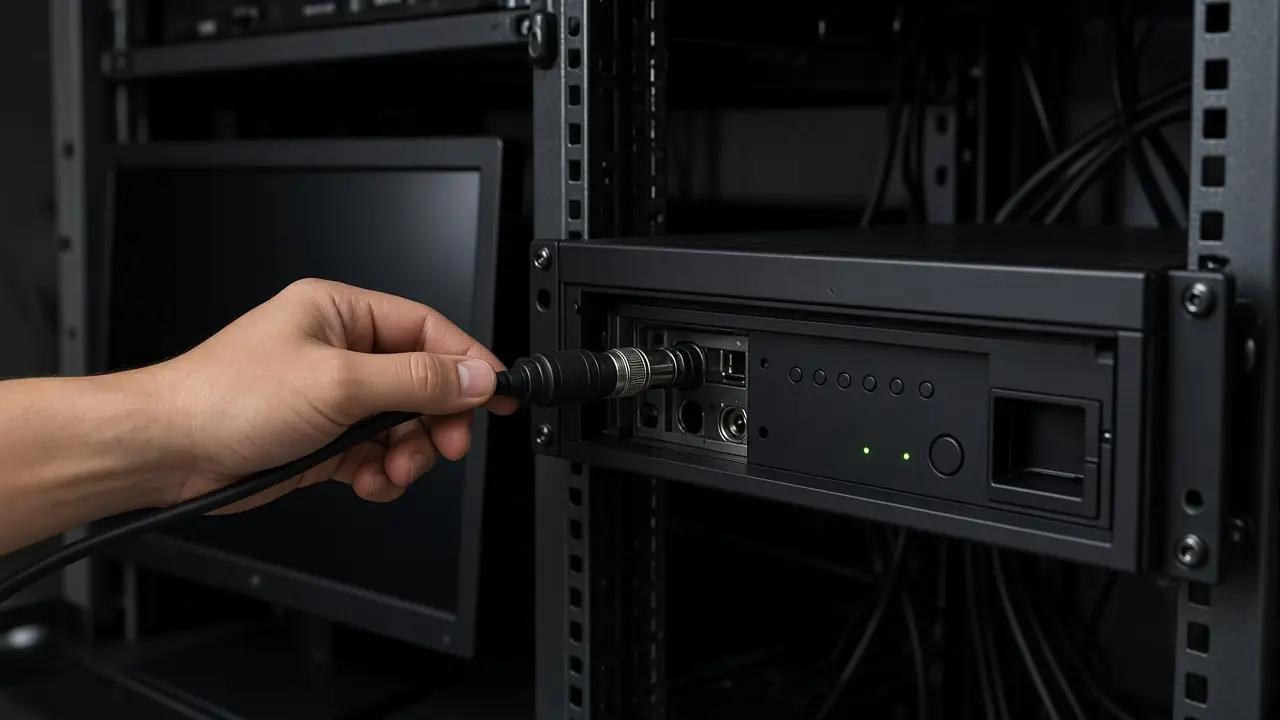
Camera, network, VMS or NVR, recording, playback, defined acceptance
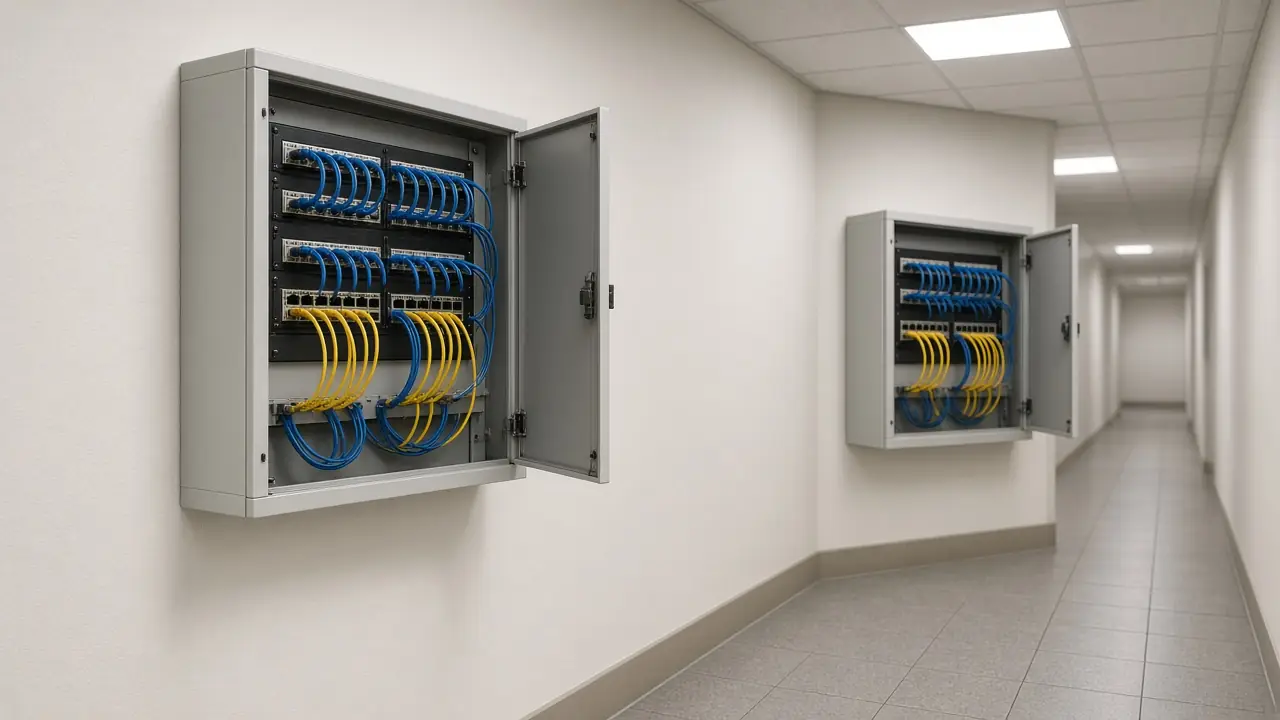
Site test, site result, exceptions, retest, consolidated handover
Testing complete does not mean accepted. Acceptance follows the defined project authority.
Proves: How Novatelia describes a scoped test: criterion, method, observation, comparison, and record.
Does not prove: It does not prove a customer result or a pass.
Proves: The kind of check the section describes.
Does not prove: They are not Novatelia-owned instruments, not a customer site, and not a test screen.
Proves: The method that was run and the value that was measured.
Does not prove: A record is not certification, accreditation, or future performance.
Network acceptance testing evaluates defined parts of an installed network against approved technical or project criteria. The exact tests depend on the scope, design and acceptance requirements.
Scope: The items the criteria name.
Condition: A criterion has to exist before a formal pass.
Limitation: The activity is not a certification.
Installation places and connects the infrastructure. Acceptance determines whether defined requirements have been satisfied using the applicable checks, tests and evidence. Installation alone does not prove acceptance.
Scope: The boundary with installation.
Condition: Acceptance uses the project criteria.
Limitation: Power-on and a green link lamp are not acceptance.
Depending on the project, fiber validation may include continuity, optical power or insertion-loss measurements, OTDR testing and review of link events or length. The required method depends on the acceptance criteria.
Scope: Methods the criteria name.
Condition: Cabling-specific fiber work stays with the cabling service. This page records the acceptance method.
Limitation: No loss value is published here.
Next: Name the fiber criterion
Not necessarily. OTDR provides information about distance and events along a fiber link, but the project may require other measurements or criteria. OTDR alone should not be treated as universal acceptance proof.
Scope: OTDR when it is required.
Condition: The acceptance method has to match the criteria.
Limitation: An OTDR session is not a pass.
Copper cabling can be checked using methods appropriate to the scope, such as wiremap, continuity, length or formal certification testing where the required tester, limit and method are defined.
Scope: The copper method in the scope.
Condition: Certification needs the tester, adapter, standard, limit, and an actual result.
Limitation: Continuity is not a category certification.
Network validation may include defined checks of physical links, interfaces, management reachability, VLANs, routing, uplinks and required service paths. The exact validation scope must follow the approved project requirements.
Scope: The paths the requirements name.
Condition: Expected and observed states are both recorded.
Limitation: Ping alone is not acceptance.
Yes, where redundancy behavior is defined in the project scope. The expected failure condition, transition and service state should be established before a formal result is declared.
Scope: Defined redundancy only.
Condition: The failure condition is agreed first.
Limitation: No zero-downtime or hitless claim is made.
Yes. Validation may include access-point status, controller association, SSID availability, client connectivity and, where defined, coverage, roaming or performance testing.
Scope: The wireless checks in the scope.
Condition: Coverage and throughput need their own method.
Limitation: An online AP is not coverage acceptance.
Where included in scope, CCTV validation may check camera connectivity, video streams, recorder or VMS integration, recording, playback and other defined acceptance requirements.
Scope: The video checks named in the scope.
Condition: Each claim, including retention, needs its own check.
Limitation: A live image is not retention or compliance.
Next: Share the video criteria
Depending on scope, documentation may include test checklists, link results, fiber or copper test records, device validation records, issue registers, retest records and acceptance or handover documentation.
Scope: Records the scope includes.
Condition: A record exists for a test that was done.
Limitation: Not every project receives every record.
Next: Name the record set
A failed requirement should be recorded against its criterion, investigated and corrected where applicable. The affected item should then be retested before closure or acceptance.
Scope: The failed item.
Condition: The criterion and the actual result stay in the record.
Limitation: A failure is not rewritten as a pass.
That depends on the project authority and acceptance rules. Some projects may allow documented exceptions or punch-list items, but an open issue should not be silently represented as fully passed.
Scope: Governance of open items.
Condition: An accepted exception needs the right authority.
Limitation: This page does not grant that authority.
No. A pass demonstrates that a defined criterion was satisfied under the recorded test conditions. It does not automatically guarantee future performance or long-term reliability.
Scope: The meaning of a formal pass.
Condition: The conditions of the test are part of the record.
Limitation: Future behavior is outside that record.
Acceptance criteria should come from applicable project requirements such as the approved scope, customer specification, design, manufacturer requirement, defined test limit or contractual acceptance criteria.
Scope: The source of a criterion.
Condition: If none of those exist, no formal pass is declared.
Limitation: This page does not invent a limit.
No. Ping can demonstrate a specific form of IP reachability, but it does not by itself prove performance, security, resilience, application functionality or full project acceptance.
Scope: One reachability observation.
Condition: It counts only for the path that was pinged.
Limitation: It is not a project pass.
Retesting repeats the relevant validation after corrective action to determine whether the previously failed or unresolved criterion has been satisfied.
Scope: The item that failed or stayed open.
Condition: The same criterion is used.
Limitation: A retest is not a new, easier criterion.
Next: Share the item to retest
Conditional acceptance is a project-governance decision in which defined items may remain subject to documented conditions or exceptions. It must come from the appropriate project authority rather than being assumed by the installer.
Scope: A governance decision.
Condition: The condition is written down.
Limitation: Novatelia does not invent a customer approval.
Where required by the project, testing may be structured for customer or stakeholder witnessing. Any witness or sign-off claim must reflect what actually occurred.
Scope: Witnessing when the project requires it.
Condition: A witness claim needs the actual event.
Limitation: This page shows no signature and no approval.
Share the approved project scope, test requirements, drawings or acceptance criteria. Novatelia can review the validation scope and identify the appropriate testing, evidence and handover requirements.
Enterprise infrastructure insights, product updates, and RFQ opportunities for GCC technical buyers.