
Smart Building
Offices, towers, mixed-use buildings, campuses, hotels, and institutional facilities. Building systems reach controllers or gateways, then the network, then a management platform.
CONNECTED ENVIRONMENTS
srv-11
Novatelia supports connected infrastructure projects across network and fiber backbones, IoT and edge connectivity, smart access, surveillance, building-system interfaces, sensors, and integrated management environments. The exact scope depends on the approved architecture, selected platforms, protocols, devices, and project responsibilities. Where a project is in Oman, that geography is part of the review.
A smart infrastructure project is not defined by the number of connected devices. Reliable integration depends on physical infrastructure, network connectivity, gateways, controllers, supported protocols, platform interfaces, and validation of the required system relationships.
A connected device is not automatically an integrated system.

01
Connect
02
Sense
03
Control
04
Integrate
05
Observe
06
Validate
Offices, towers, mixed-use buildings, campuses, hotels, and institutional facilities. Building systems reach controllers or gateways, then the network, then a management platform.
A private residence or villa compound. The objective is a quiet, reliable control relationship among lighting, climate interfaces, access, and selected sensors.
Project-defined connected public infrastructure such as field cabinets, fiber, gateways, sensors, and parking interfaces. This section does not claim municipal authority, a city command role, law-enforcement authority, traffic-control authority, public-safety authority, government authorization, or citywide deployment experience.
Conceptual architecture — not a customer design or live system.
01
The field end of a defined function in an office, tower, campus, hotel, or institutional facility. A connected device is not an integrated system.
02
A controller or gateway that matches the device. Novatelia does not support every protocol on every gateway.
03
Ethernet, PoE, or wireless where the design names that medium. No VLAN identifier is invented.
04
The access network meets an IDF or the fiber backbone, then the core. Cabling stays on the fiber service.
05
A management platform receives only the relationships the project verified. Novatelia does not own every subsystem.
06
A defined action or a defined view. Data visible is not control validated.
01
Lighting, a climate-control interface, locks, access, or a sensor the villa scope names. This is not a consumer smart-speaker shop.
02
A quiet control relationship depends on the chosen platform and devices. Compatibility with a consumer ecosystem is not assumed.
03
The house network carries the approved devices. Wi-Fi presence is not a finished control design.
04
A villa compound may use fiber between buildings. That link is scoped. It is not assumed.
05
Remote management exists only where the platform supports it.
06
The work is infrastructure and a verified control relationship, not a bulb catalog.
01
Parking sensors, environmental sensors, or another device the project defines. This is infrastructure capability, not municipal authority.
02
A field cabinet or gateway collects the device. No live city telemetry is shown.
03
Local connectivity into the cabinet. No utilization figure is published.
04
Fiber connects the field location when the design includes it. This is not a citywide deployment.
05
A management platform applies only where the project names it. It is not a city command role.
06
Occupancy status or a defined reading, only where that interface exists. No enforcement authority is claimed.
No device counts, energy readings, IP addresses, network utilization, automation statuses, or control results are shown.
The path runs from a device or controller to the access network, an IDF or edge cabinet, the fiber backbone, the core, and then the platform. Possible media include Ethernet, PoE, fiber, and wireless, plus edge cabinets, MDF and IDF, uplinks, and resilience or segmentation only where the design includes them. The service record mentions PoE++ lighting ports. A wattage figure is not published on this page.
Network and infrastructure design keeps the design. Fiber optic and structured cabling keeps the cabling.
01
Access ports and power for devices that use them. No PoE budget is invented.
02
The first switching layer the device or gateway meets.
03
Core and floor frames, with labels and uplinks the scope includes.
04
The optical link between frames or buildings when the design requires it.
05
A field or floor cabinet for a remote zone.
06
Distribution toward the platform. Designed segmentation is a design fact, not a default VLAN.
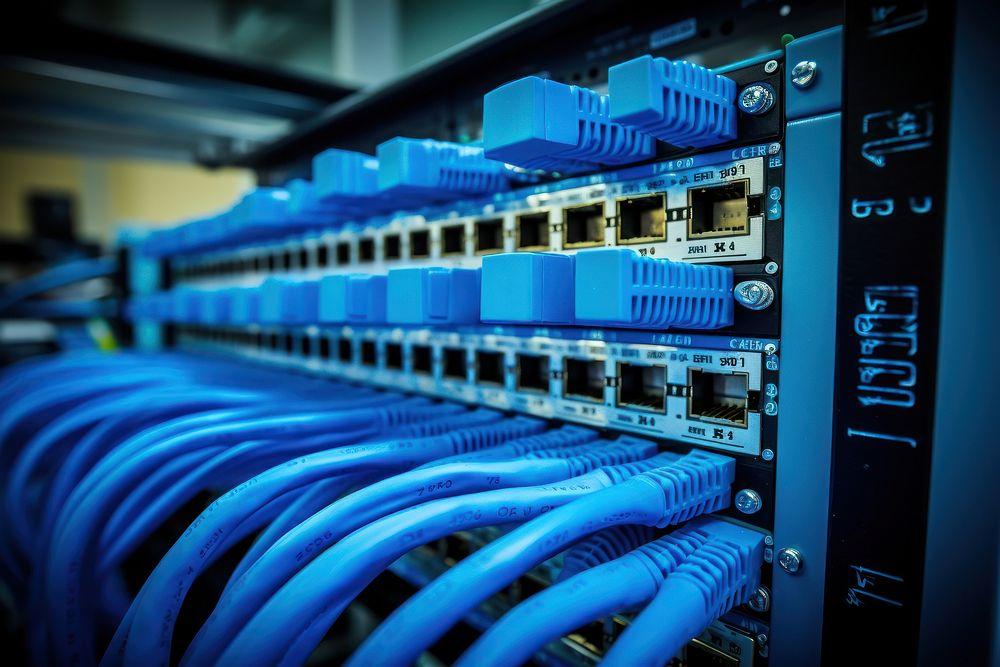
A sensor or device meets a local interface, then a gateway or edge device, then the IP network, then a platform. Ethernet, Wi-Fi, cellular, LoRaWAN, BLE, and Zigbee may apply only where that hardware supports them. Each link is device-specific, gateway-specific, platform-specific, and project-specific.
Possible work includes controllers, occupancy inputs, schedules, scenes, dimming, central management, energy data, and room or zone logic. DALI, KNX, BACnet, Modbus, or a vendor interface may be discussed only after the controller and gateway are verified. No energy-savings percentage is published.
Possible interfaces include temperature and occupancy inputs, thermostats, controllers, equipment status, setpoint interfaces, a BMS link, schedules, and alarms or status where the platform supports them. Mechanical HVAC design, cooling equipment sizing, chiller engineering, airflow engineering, and MEP authority are outside this appointment. Life-safety controls are outside this page unless a separate scope, authority, and regulation are established.
Possible elements include locks, door controllers, credentials, readers, gateways, an access platform, the network, and a relationship to a building platform. Locks are not assumed to share one platform, and credentials are not assumed to be interchangeable. Guest-room hospitality locks stay on hotel technology and smart lock systems.
Cameras use the PoE or IP network, then recording or a VMS, storage, and authorized management. CCTV is not a BMS, access-control system, or city command platform. Installation stays on CCTV and video surveillance installation. A 24/7 monitoring service is not claimed.
The path is sensor, gateway or controller, network, platform, then a defined action or a defined view. Accuracy, calibration, measurement range, and environmental certificates are not stated without the product evidence for that model.
Possible infrastructure includes parking sensors, a gate or barrier interface, an ANPR interface where supported, edge connectivity, network and fiber, a management platform, and a signage interface. Enforcement authority, traffic-control authority, payment processing, guaranteed ANPR accuracy, and government integration are outside this page.
Possible data includes electricity meters, water meters, energy monitoring, equipment consumption, zone-level data, gateway collection, and platform visibility. Measured energy usage is not demonstrated energy savings.
Compatibility can depend on manufacturer, exact model, firmware, protocol version, device profile, data or object model, gateway, licensing, management platform, and the required control behavior. IEC 62443 is named in the service record. Words such as cybersecure, zero-trust, encrypted, hardened, penetration-tested, or a named security certificate are not claimed.
Ten names from the source are interfaces that may be reviewed. Ethernet and IP are additional connectivity context: they describe how a device reaches a gateway or platform. Ethernet/IP is not treated as an eleventh protocol from that list.
01
A building-automation interface used where the device profile, protocol version, and gateway are verified. Naming BACnet does not prove two systems interoperate. BACnet ISO 16484-5 in the service record is context, not a Novatelia certification.
02
A device and controller interface, including Modbus-TCP where that variant is actually supported. Protocol support is not interoperability proven.
03
A lighting or room-control interface discussed only after the controller and gateway are verified.
04
A lighting-control interface. A protocol on a datasheet is not device interoperability, and no energy-savings percentage is published.
05
A messaging transport some platforms use. The broker, topic model, and security of that link are project facts and are not invented here.
06
An industrial information interface. It is a possible name, not a universal support claim, and not SCADA authority.
07
A wireless device interface. A support claim would need the device, controller, gateway, profile, license, and platform. That record is not published here.
08
A consumer and building device ecosystem name. Compatibility with a consumer ecosystem is not assumed.
09
A short-range radio interface. BLE on a device is not proof of a mobile credential or a sensor integration.
10
A wide-area wireless interface for field devices, only where that hardware and network are in scope. It is not a city network.
01
Read the building, the systems already installed, and the operating constraints.
02
Controllers, gateways, and field devices are listed before reuse is assumed.
03
The protocol, object model, and vendor implementation are identified.
04
Firmware, licenses, and platform constraints are compared. Compatibility is not guaranteed.
05
Missing gateways, network paths, or licenses are named.
06
Implementation can be phased. Zero downtime is not promised.
07
The approved devices and pathways are put in place.
08
Only verified relationships are connected to a platform.
09
A defined point or command is tested only when the project names it.
Each building can keep local systems and an edge or IDF, then meet a campus backbone and a core or platform. Local autonomy can remain where the design says so. Remote management is only where the platform supports it. Not every system has to be centralized. Campus fiber is not a data-center design. Facility infrastructure of that kind stays on data center infrastructure services when that is the scope.
01
A device in place is not integration accepted.
02
A device online is not a verified control function.
03
A visible data point is not control validated.
04
A defined command or status is tested only when it is in scope.
05
Exceptions are recorded for retest.
06
A formal PASS needs a criterion, a method, and a result. None is published here.
07
Handover follows the records the scope includes.
Formal acceptance follows testing, validation and acceptance. Discovery stays on technical assessment.
Each record depends on the approved scope.
These are patterns, not case studies and not named projects.
Network, controllers, access, sensors, platform.
Network, lighting, climate interface, access, control platform.
Buildings, edge, fiber, core, management.

Existing systems, audit, compatibility, gateway or upgrade, validate.

Sensor or gate, edge, network, platform.
Sensors, gateway, network, platform, defined visibility.
Fire alarm, emergency systems, life safety, elevator safety, smoke control, critical HVAC safety, and emergency lighting stay outside this page unless a separate scope, authority, and regulation are established. Placement of equipment, when that trade is separate, stays on professional installation. Sourcing stays on technology procurement. Staging stays on hardware pre-configuration.
It is the network, fiber, gateways, controllers, and verified interfaces that let approved building systems exchange defined information. A smart infrastructure project is not defined by the number of connected devices. A connected device is not automatically an integrated system.
Possible infrastructure includes the network and fiber backbone, Wi-Fi, access, locks, CCTV, occupancy and environmental sensors, lighting and HVAC interfaces, metering, gateways, edge equipment, and a BMS connection where that platform is in scope. Novatelia does not own every subsystem.
A villa scope can include lighting, a climate-control interface, locks, video door or CCTV, access, Wi-Fi, the house network, shades where that device is supported, occupancy and environmental sensors, energy monitoring, gateways, and a management platform. It is not a bulb catalog and not a voice-assistant shop.
This page covers digital, network, and integration infrastructure. A BMS is one platform that may be in the review. Protocol support does not automatically guarantee interoperability, and this page does not become the building-automation authority because an interface exists.
An approved status or event may be exchanged only where that interface exists. CCTV is not a BMS, not access control, and not a city command system. A lock that opens is not proof that a building platform integration works. Guest-room hospitality locks stay on hotel technology and smart lock systems.
Lighting can include controllers, occupancy inputs, schedules, scenes, dimming, and room or zone logic. HVAC interfaces can include temperature and occupancy inputs, thermostats, setpoint interfaces, and a BMS link where the platform supports them. Mechanical HVAC design, equipment sizing, chiller design, airflow engineering, and MEP authority are outside this page.
No. Device profiles, protocol versions, gateways, licensing, data models, and vendor implementation must be verified for the specific integration.
No. Modbus support on a datasheet is not interoperability proven. The device, controller, gateway, and required control behavior still have to match.
They may be discussed only as a possible interface after the controller and gateway are verified. A protocol name is not a universal support claim.
A sensor meets a local interface, then a gateway or edge device, then the IP network, then a platform. Links that may apply, only where that hardware supports them, include Ethernet, Wi-Fi, cellular, LoRaWAN, BLE, Zigbee, or another interface named by the platform. Novatelia does not support all IoT protocols.
Yes, where the design includes it. The path runs from a device or controller to the access network, an IDF or edge cabinet, the fiber backbone, the core, and then the platform. No bandwidth, redundancy percentage, fiber type, or optic model is invented. Campus fiber is not a data-center design.
The review can cover the network, fiber, controllers, gateways, BMS, lighting, HVAC interfaces, access, CCTV, sensors, meters, protocols, licenses, firmware, and documentation. Zero downtime, zero disruption, universal reuse, and full compatibility are not promised.
Possible infrastructure includes parking sensors, a gate or barrier interface, an ANPR interface, occupancy status, network connectivity, fiber, an edge gateway, a management platform, and a signage interface. Parking enforcement, traffic enforcement, plate-recognition accuracy, government integration, and payment processing are not claimed.
No. Device connected is not system integrated. Data visible is not control validated. Installation complete is not project accepted.
Energy data can be collected from electricity meters, water meters, and zone-level monitoring. Energy data is not energy savings. No percentage is published without a measured before-and-after record, and none is published here.
BACnet, Modbus, KNX, DALI, MQTT, OPC UA, Zigbee, Matter, BLE, and LoRaWAN are possible interfaces. Ethernet and IP are the connectivity context those interfaces may ride on. None is a universal support claim.
Building drawings, a system list, network requirements, control platforms, devices, or integration objectives. Discovery stays on technical assessment.
Checks, where scoped, can include reachability, gateway connectivity, the controller relationship, a defined data point, a defined status, a defined command, platform visibility, an alarm or event, and a cross-system workflow. If no criterion, method, and result exist, there is no formal pass.
No. Compatibility can depend on the device profile, protocol version, object model, data points, gateway, license, vendor implementation, firmware, network architecture, and the project requirement. Universal platform support is not claimed.
Depending on approved scope: system inventory, device schedule, gateway schedule, network relationship, integration matrix, protocol matrix, point list where applicable, interface record, validation checklist, exception and retest record, as-built information, and a handover checklist. Customer addresses, credentials, floor plans, camera maps, and telemetry are not published.
Share your building drawings, system list, network requirements, control platforms, devices, or integration objectives. Novatelia can review the infrastructure and identify the required connectivity, gateways, interfaces, validation, and handover scope.
The RFQ page keeps a browser draft. It does not submit a quotation or issue a reference.