

01
Covered asset register
A formal asset schedule with serial numbers, firmware, and end-of-life dates for the hardware the contract lists.
WRITTEN COVERAGE
srv-12 · managed
Novatelia offers contractually defined maintenance agreements. The source names covered asset serial numbers, standard and critical priorities, physical spare-part replacement windows, and scheduled twice-yearly preventive visits. Coverage is whatever the signed schedule says. Round-the-clock coverage is not stated.
Structured service-level agreements specifying covered hardware, emergency dispatch hours, and spare unit staging.
01
The agreement names the hardware, usually by serial number, plus firmware and end-of-life notes when those fields are in the schedule. An asset that is not listed is not covered. The customer supplies the asset list and the sites. Deliverables follow the signed schedule. Nothing on this board is a live contract or a calculated availability figure.
02
The source gives examples: 4-hour critical dispatch and next-business-day standard dispatch. Those figures apply only in a signed agreement. Dispatch is not acknowledgement, arrival, restoration, or resolution. The customer supplies the asset list and the sites. Deliverables follow the signed schedule. Nothing on this board is a live contract or a calculated availability figure.
03
The source names advance replacement from a Muscat spare-parts pool. Eligible models, stock, and the replacement window have to be in the contract. The pool is not verified here as standing inventory. The customer supplies the asset list and the sites. Deliverables follow the signed schedule. Nothing on this board is a live contract or a calculated availability figure.
04
The source names twice-yearly optic cleaning, fan-filter replacement, and transceiver diagnostics. That visit list is included when the agreement says so. The customer supplies the asset list and the sites. Deliverables follow the signed schedule. Nothing on this board is a live contract or a calculated availability figure.
01
A formal asset schedule with serial numbers, firmware, and end-of-life dates for the hardware the contract lists.

02
Critical and standard examples from the source. Coverage hours, the business day, the site, and the exclusions are contractual. A dispatch target is not a repair target.

03
Advance hardware replacement when the contract includes an eligible spare. Logistics and access still have to be possible.
04
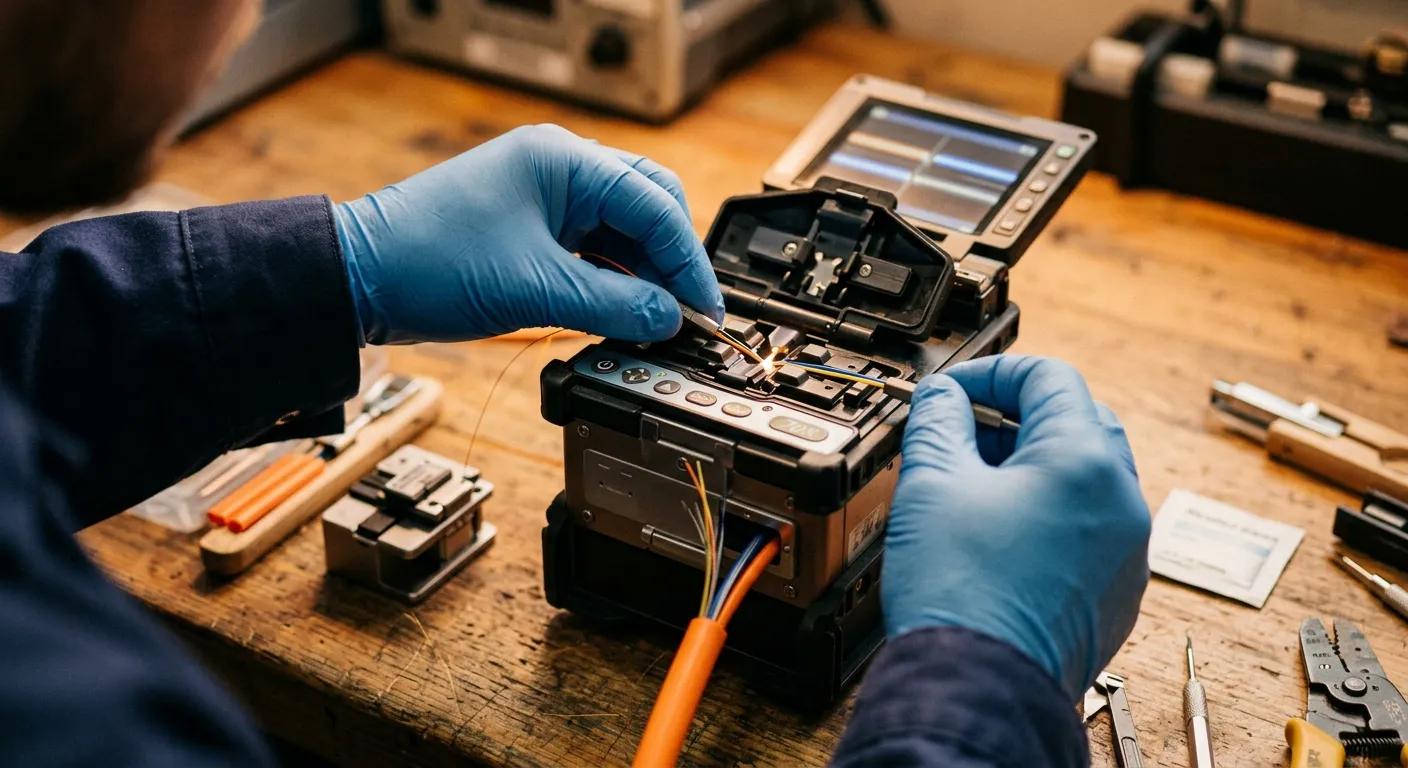
Bi-annual optic cleaning, fan-filter replacement, and transceiver diagnostics when the agreement includes that visit.
Every engagement includes the records named in the approved scope.
The source names “4-Hour Critical / Next-Business-Day Standard dispatch commitments.” Actual dispatch targets, coverage hours, locations and exclusions depend on the signed maintenance agreement. Those figures are source examples, not a clock running on this page, and not a guaranteed repair.
4-hour dispatch commitment, where the signed SLA uses that target.
Next-business-day dispatch commitment, where the signed SLA uses that target.
These words are not synonyms. A dispatch commitment is not a guaranteed repair.
Identity, serial number, model, firmware, warranty when it is known, end-of-life information, the contract line that covers the unit, and the preventive visit that applies. No customer serial number is printed here.
01
Start from the asset schedule, not from an unlisted device.
02
Optic cleaning, filters, and transceiver checks only if the agreement lists them.
03
Agree the window and the site access. A visit does not imply uninterrupted operation.
04
Do the inspections the contract named.
05
Write what was seen. A finding is not an automatic part shipment.
06
Leave the records the agreement includes.
Eligible units, availability, compatibility, manufacturer support, and the delivery constraint of the site all sit in the contract. The source phrase “Muscat spare-parts pool” is kept as source wording and is not presented as verified standing stock.
ITIL v4 Service Management Practices is the framework the source names. Relevant ideas are service level management, incident management, asset information, service requests, and continual improvement. ITIL 4 is a framework. This page does not claim a PeopleCert certificate for Novatelia or its engineers, and it shows no accreditation seal.
Contractual coverage across corporate facilities in Oman. No branch, always-on desk, headcount, national arrival time, or customer name is added.

Campus LAN, wireless, and branch connectivity for an approved site.
Open solution
Spine-and-leaf fabrics, racking, and thermal context for a data-center scope.
Open solutionA contract that names the hardware, the priorities, the dispatch window, and the maintenance visits that are actually included.
The assets the schedule lists, identified so a serial number can be matched.
The list of covered units with serial numbers and, when included, firmware and end-of-life dates.
Response is how the request is handled. Dispatch is when a technician or a part is sent. They are defined in the agreement, not used as synonyms here.
No. The source example is a dispatch commitment. Restoration and resolution are separate and are not promised by that phrase.
Only for the eligible hardware the contract names.
By the agreement. The Muscat pool is source wording, not a verified stock list on this page.
The source names optic cleaning, fan-filter replacement, and transceiver diagnostics on a twice-yearly visit when that visit is contracted.
No. It is included when the agreement says so.
It is the service-management framework the source cites. It is not a claim that Novatelia holds a personal certificate.
The operating scope is contractual coverage across corporate facilities in Oman.
Open the RFQ draft for this service. The draft does not submit or create an agreement.
The RFQ page keeps a browser draft. It does not submit a quotation or issue a reference.