Infrastructure inventory
- Endpoint and server inventory count
- High-level network topology diagram
CURRENT-STATE SECURITY ASSESSMENT
Assess
A structured technical evaluation reviewing your infrastructure security baseline. Novatelia analyzes endpoint coverage, firewall rule hygiene, Active Directory configuration posture, patch currency, and logging visibility to document current-state risks and formulate a prioritized remediation roadmap.
A cybersecurity assessment records the current endpoint, perimeter, directory, and logging baseline and turns it into a prioritized list. Novatelia performs that review as an engineering engagement from Muscat. It is not a penetration test and it does not certify the organization. The inputs are inventories and configurations the customer provides.
The review uses the evidence supplied for the systems in scope. It does not claim unrestricted access to customer systems, and it does not discover every vulnerability. Remediation planning is the roadmap. Installing the changes is a separate engagement.
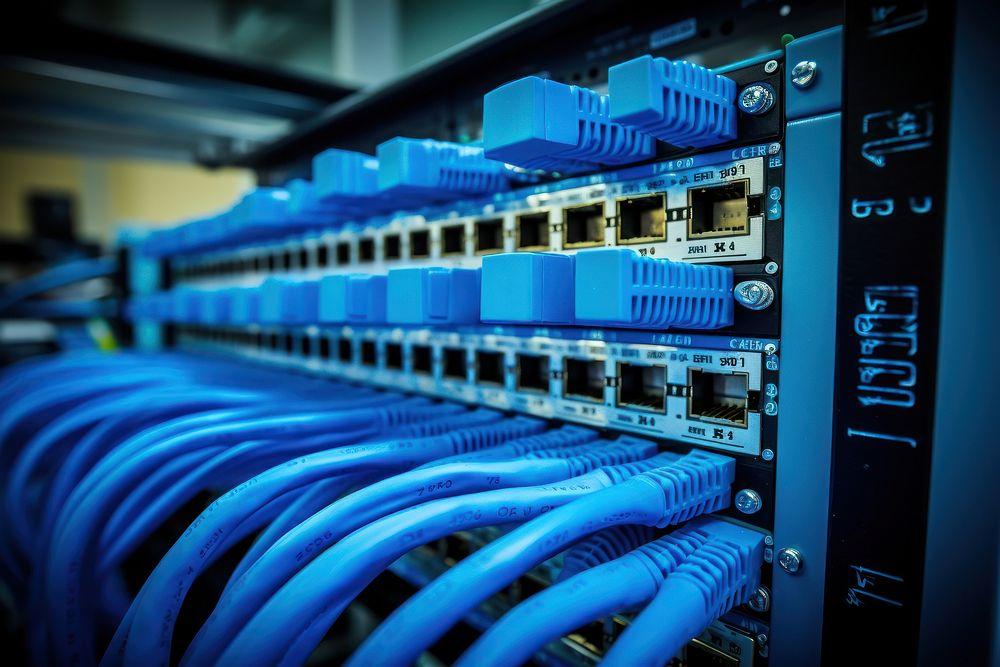
Illustrative assessment areas — not findings from a customer environment. No risk score, vulnerability count, malware detection, open-port list, or live scan is shown.




Share sensitive configuration evidence only through an approved secure channel established for the engagement. That sentence is guidance. This website does not provide a secure upload service, and it does not ask for passwords, tokens, or configuration exports in a public form.
Illustrative document categories. None of the panels is a customer finding.

01
A structured overview of the in-scope environment and where the supplied evidence places the existing controls. It is not a drawing of a customer network published here.

02
Documented differences between the evidence received and the security baseline the engagement agreed. A gap is limited to that evidence.
03
Endpoint management and patch status as the supplied records show them. No compliance percentage is calculated on this page.
04
Whether the named sources are collected, centralized, and kept for the retention the scope defines.

05
Prioritized remediation roadmap and Bill of Materials (BOM) guidance for the improvements the findings support. A recommendation is not a change already made.
The sequence below is the source description of the engagement. It is not a set of contractual deadlines, and a stage is not marked complete on this page.
01
The conversation establishes which systems and documents are in scope.
02
The customer supplies the topology, inventories, and the configuration samples the review will use.
03
The supplied evidence is read against the baselines the engagement named. The review is not a scan.
04
Gaps are ranked from the evidence and the context the customer described. This page does not publish a numeric score.
05
The roadmap and the records in scope are handed over. The handover is not the implementation of the fixes.
This service is an architectural baseline assessment. It is not an adversarial penetration test or offensive red-team engagement.
These are explanatory considerations. They are not a proprietary scoring formula, not CVSS values, and not a customer risk register. An observed gap and a proposed remediation stay separate.
01
How the customer describes the system’s role. Criticality is taken from that context, not from a score on this page.
02
Where the topology places the system. Exposure is not an open-port list and not a scan result.
03
A control the evidence does not show on an in-scope system.
04
The operational effect the customer’s IT leadership describes.
05
A finding stays inside the documents and configuration samples that were actually reviewed.
06
A later fix may depend on identity, a maintenance window, or a product that is not yet selected.
A current profile describes the present state. A target profile describes the outcomes the organization wants. That pair is a useful way to talk about this assessment. It is not a NIST certification, and this service is not a complete CSF certification exercise.
Relevant security configuration guidance may be used where it matches the platforms in scope. Referring to guidance is not an accreditation.
Known compliance requirements or internal audit points are an input. Meeting them is not claimed, and no regulatory conformity seal is shown.
A separate authorized adversarial test. It is not included on this page, and no exploit is performed here.
A separate target-state design engagement.
A separate implementation of changes after they are approved.
A separate recurring operation where a contract says so. This assessment does not establish a SOC or continuous monitoring.
Security architecture and design is the separate design service.
The same records can be read by different roles. They remain limited to the agreed scope and the evidence reviewed. Nothing in this section is client data.
The roadmap and the priority order.
The perimeter and topology notes that came from the supplied diagram.
The control-coverage and logging notes.
BOM guidance for products the roadmap actually requires.
Novatelia performs that review as an engineering engagement from Muscat. The inputs are inventories and configurations the customer provides. No government approval, security license, regional office, completed customer assessment, or response schedule is added on this page.
The hub collects the published network, endpoint, identity, and logging topics. This page stays the current-state assessment.
Open the cybersecurity hubA review of the current endpoint, perimeter, directory, patch, and logging baseline, using inventories and configurations the customer supplies, ending in a prioritized roadmap.
No. It reviews endpoint coverage, firewall hygiene, directory posture, patch currency, and logging visibility, then lists priorities.
No. The output is an engineering baseline and a remediation list, not a certificate.
The seven inputs on this page: inventory, topology, firewall details, directory structure, endpoint tools, logging or SIEM, and the compliance or audit points the customer names.
Yes, as a review of the tools and the inventory the customer supplies. Installing an agent is not part of this assessment.
Yes. Vendor, model, and active license status are source inputs, together with the rule hygiene those records support.
Yes, to the extent of the domain structure and configuration samples supplied. The review does not take over the directory.
Yes. Patch currency is one of the technical areas in the source definition, based on the evidence supplied.
Yes, when a log-management or SIEM system is named in the inputs. Operating that SIEM is not included.
Coverage and visibility gap analysis: the differences between the supplied evidence and the agreed baseline.
From asset context, exposure described in the topology, control gaps, business impact, the evidence available, and the dependencies of a later fix. No numeric score is published here.
No. The roadmap is the planning output. Implementation is a separate engagement.
No. This service is not an adversarial penetration test or offensive red-team engagement.
No. A SOC or continuous monitoring would be a separate contract. It is not created by this assessment.
Open the RFQ draft for this service, or contact the Muscat desk. The draft stays in the browser until a separate submission path exists.
The RFQ currently saves a browser draft and does not submit a request or issue a quotation reference. It does not publish a price.