
Solutions · Enterprise Mobility & AIDC
Enterprise Mobility, AIDC & RFID Solutions
Mobile computing, barcode, RFID and rugged devices sourced and coordinated for connected warehouse, retail, field and industrial operations in Oman and the GCC.

What it does
Capture. Identify. Track. Connect.
Enterprise mobility and automatic identification technologies for real-time data capture, inventory visibility, asset tracking and connected operations.
Mobile Computing
Enterprise handheld devices for warehouse, field and operational workflows.
Explore →Barcode & Data Capture
Industrial and commercial scanning solutions.
Explore →RFID & Asset Intelligence
Handheld and fixed RFID infrastructure for inventory and asset visibility.
Explore →Rugged Mobility
Rugged terminals and tablets for demanding environments.
Explore →
Use cases
How Data Moves Through Your Operation
Four common workflows where barcode, RFID and mobile computing replace manual steps with verified, real-time events.
Receiving
- 01Incoming Goods
- 02Scan
- 03Validation
- 04WMS Update
- 05Inventory Available
Inventory Counting
- 01RFID / Barcode
- 02Rapid Count
- 03Exception Detection
- 04ERP / WMS Sync
Picking & Packing
- 01Order
- 02Worker
- 03Handheld
- 04Scan
- 05Confirmation
- 06Dispatch
Asset Tracking
- 01Asset
- 02Tag
- 03Reader
- 04Asset Platform
- 05Location / Status / History
Architecture
The AIDC Stack
Data moves from the tag to the business system in six layers. Each layer is specified, sourced and coordinated so the whole chain works together.
- 1
Tag
Barcode labels and RFID tags on items, cases, pallets and assets.
- 2
Scanner / PDA / Reader
Handhelds, scanners, wearables and fixed readers that capture the data.
- 3
Wi-Fi / 5G / LAN
Enterprise wireless and wired networks carrying reads in real time.
- 4
Edge / Middleware
Filtering, device management and event processing close to the operation.
- 5
WMS / ERP / Asset Platform
Business systems that hold inventory, orders and asset records.
- 6
Analytics & Automation
Dashboards, alerts and automated workflows built on accurate data.
Delivery model
Novatelia Can Coordinate
One point of coordination from requirement to handover, with installation and integration delivered by qualified technology partners.
- Device sourcing
- Wireless infrastructure
- RFID architecture
- Device enrollment
- WMS/ERP integration coordination
- Network readiness
- Project logistics
- Technology partner coordination
Explore
Product Families
Browse the technology families used across enterprise mobility and AIDC projects.
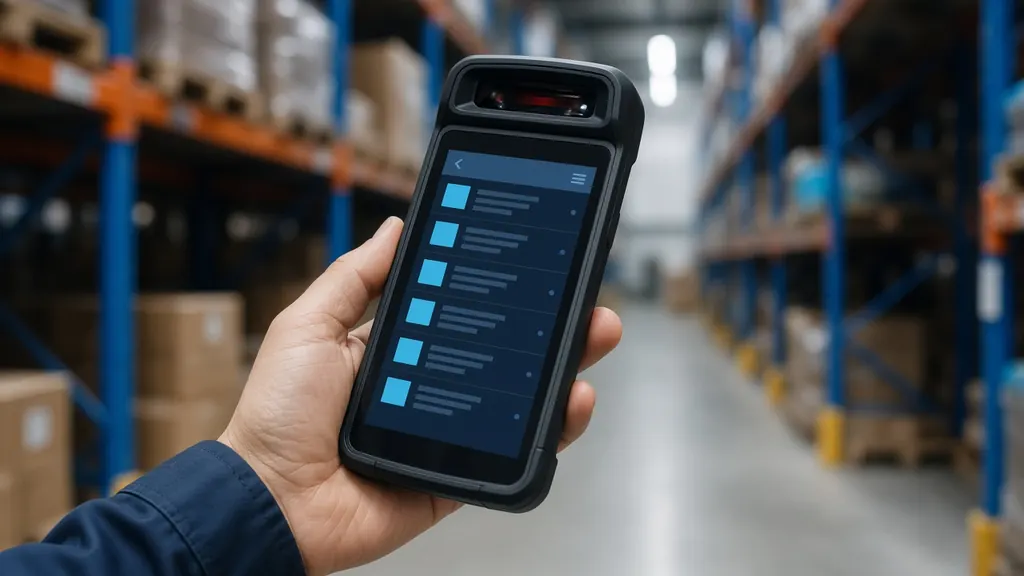
Handheld Mobile Computers
Enterprise handhelds for warehouse, field and operational workflows.
Applications
Receiving and put-away · Picking and packing · Cycle counting
Explore →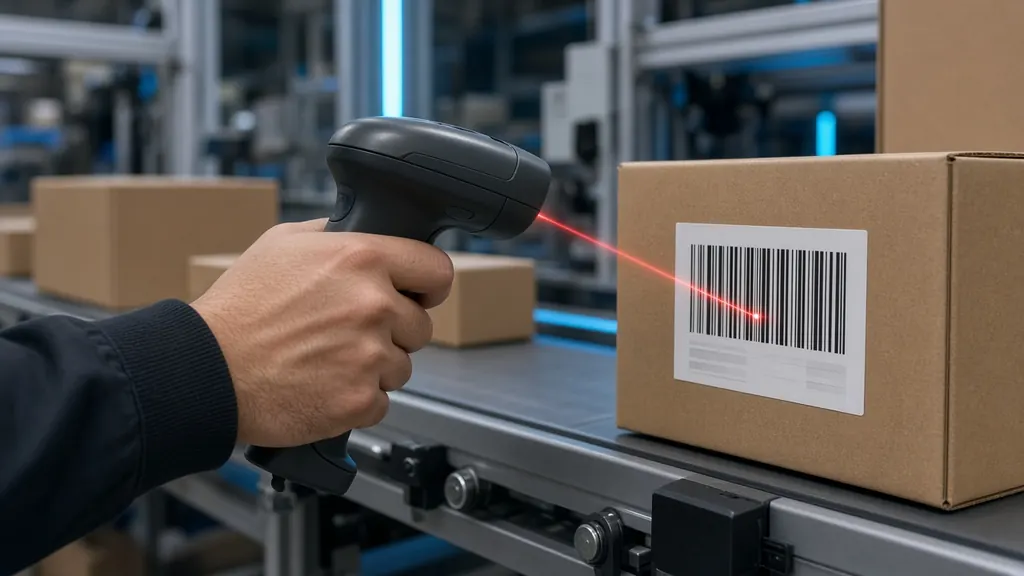
Barcode Scanners
Industrial and commercial scanning solutions.
Applications
Point of sale · Packing stations · Production traceability
Explore →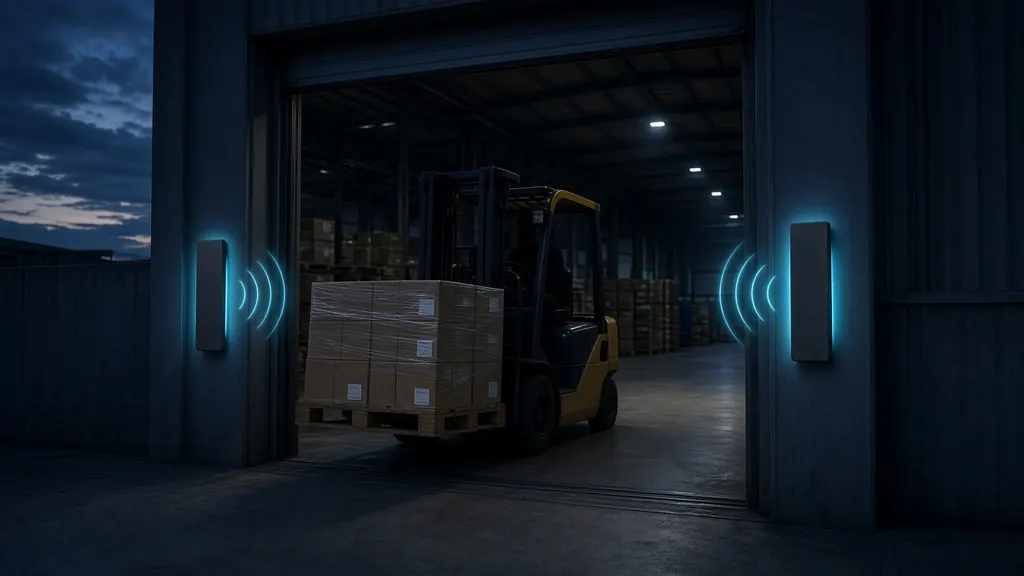
RFID
Handheld and fixed RFID for inventory and asset visibility.
Applications
Inventory cycle counting · Dock door portals · Asset and tool tracking
Explore →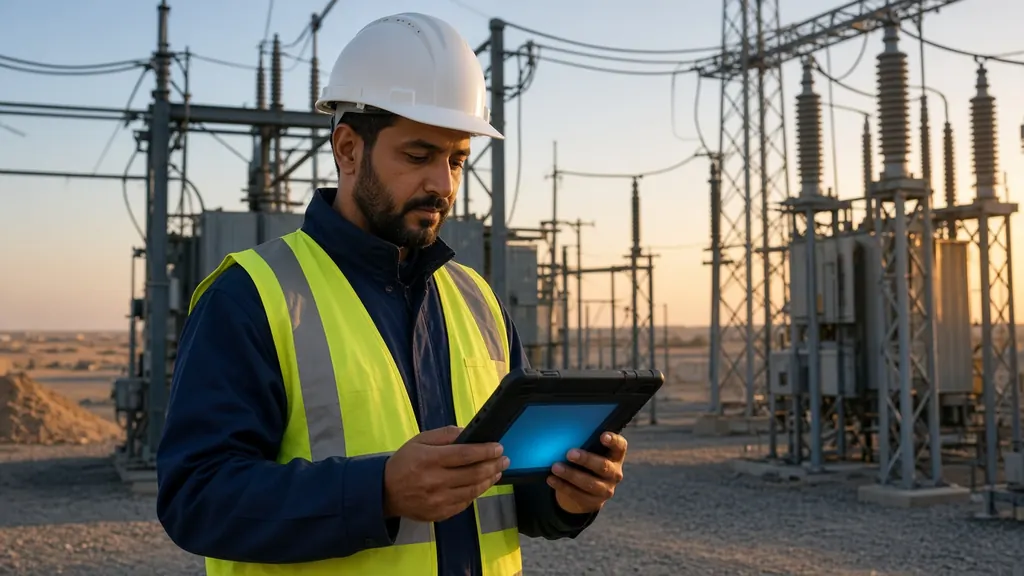
Rugged Tablets
Rugged terminals and tablets for demanding environments.
Applications
Inspection and maintenance · Forklift terminals · Yard management
Explore →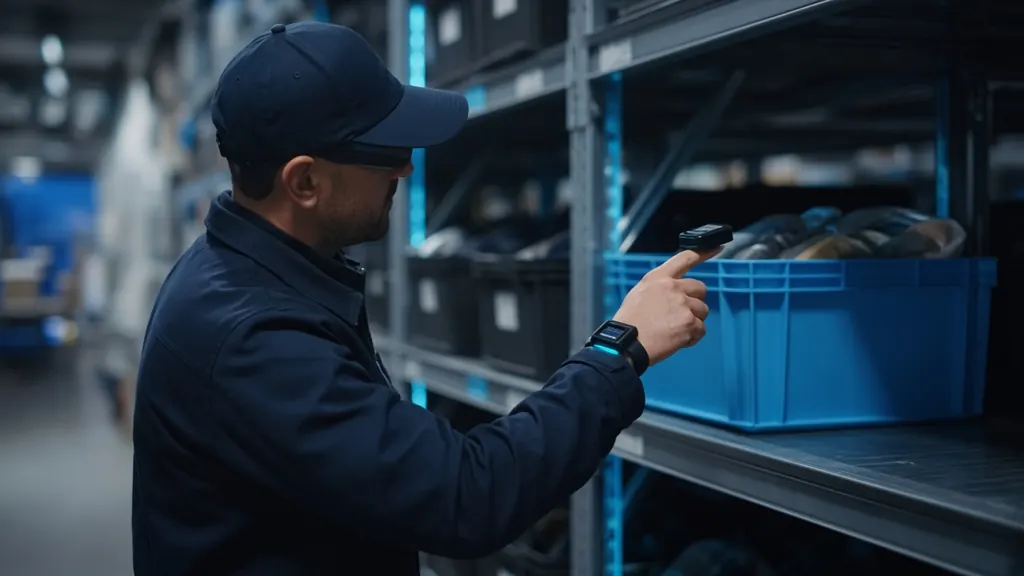
Wearable Computing
Ring, glove, wrist and voice technologies for hands-free work.
Applications
Piece picking · Parcel sorting · Kitting and assembly
Explore →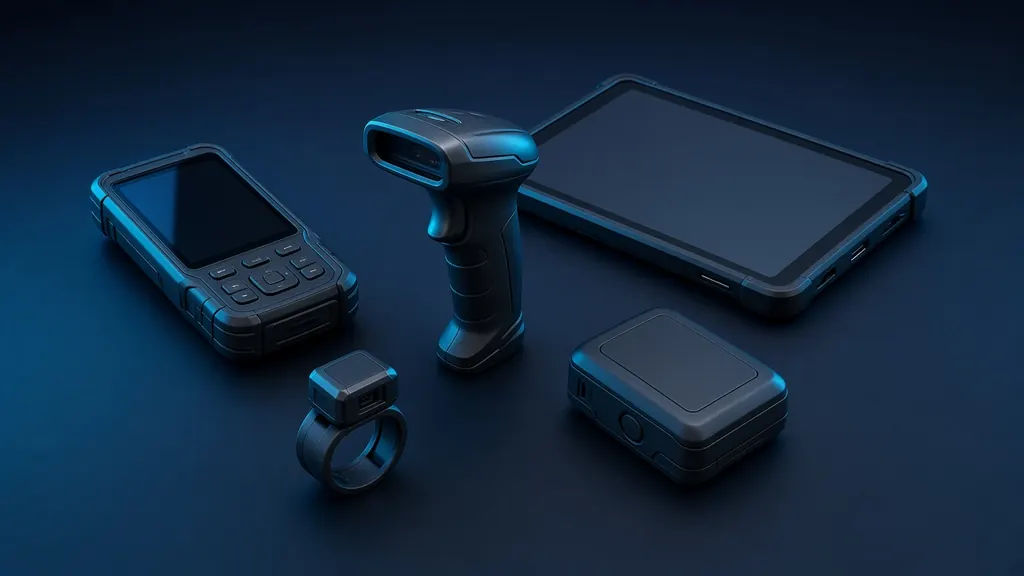
Accessories
Charging, mounting, carrying and tagging accessories.
Applications
Fleet charging rooms · Forklift mounting · High-volume scanning
Explore →


Related Solutions
Answers
Frequently Asked Questions
01What is AIDC?
Automatic identification and data capture (AIDC) is the group of technologies that identify items and capture data without manual typing, mainly barcodes, RFID, mobile computers and wearable scanners. AIDC feeds accurate, real-time data into warehouse, ERP and asset systems.
02What is an enterprise mobile computer?
An enterprise mobile computer is a handheld device built for work: it combines a barcode scan engine, a managed operating system, enterprise Wi-Fi or cellular connectivity and a durable housing, so workers can capture data at the point of activity and update systems such as a WMS or ERP in real time.
03What is the difference between barcode and RFID?
Barcode scanning reads one printed label at a time and needs line of sight. RFID reads radio tags without line of sight and can read many tags at once, which speeds up counting and tracking. Barcodes cost less per item; RFID suits high-volume counting, asset tracking and automated portals. Many operations use both.
04How does RFID asset tracking work?
Each asset carries an RFID tag. Handheld or fixed readers detect tags in range and send the reads through middleware, which filters them into events such as "asset seen at location". The asset platform records location, status and history, so audits become a walk-through instead of a manual check.
05What is a rugged handheld?
A rugged handheld is a mobile computer designed to keep working after drops, dust, water and temperature extremes. Ruggedness is stated by the manufacturer through ingress protection (IP) ratings and drop specifications, which should be checked against the actual working environment.
06How does RFID integrate with a WMS?
RFID middleware converts raw tag reads into business events and passes them to the WMS or ERP through the system’s interfaces, for example APIs or file exchange. Integration scope depends on the WMS vendor; Novatelia coordinates the RFID layer, the network and the integration partners.
07Which RFID reader is suitable for a warehouse?
Warehouses usually combine handheld UHF readers for counts and searches with fixed UHF readers at dock doors or conveyors for automatic movement events. The choice depends on read range, tag type, materials such as metal and liquids, network availability and mounting points, which are confirmed in a site review.
08Does Novatelia deploy the systems itself?
Novatelia sources the technology and coordinates the project: requirement review, device and infrastructure sourcing, network readiness, logistics and the technology and integration partners who deliver installation, configuration and system integration.
Next step
Plan Your Enterprise Mobility Project
Share the workflow, the quantities and the systems involved. The request goes into the Novatelia RFQ system, where the team reviews it and coordinates suitable options with technology partners.