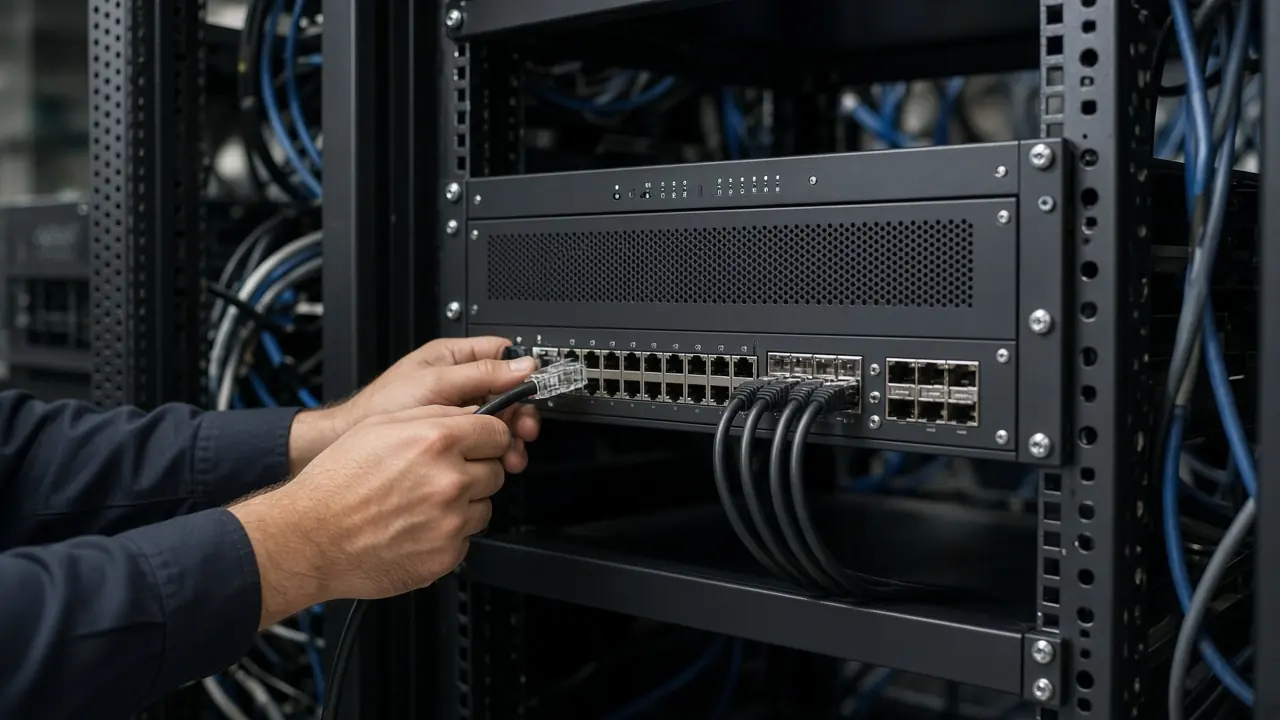
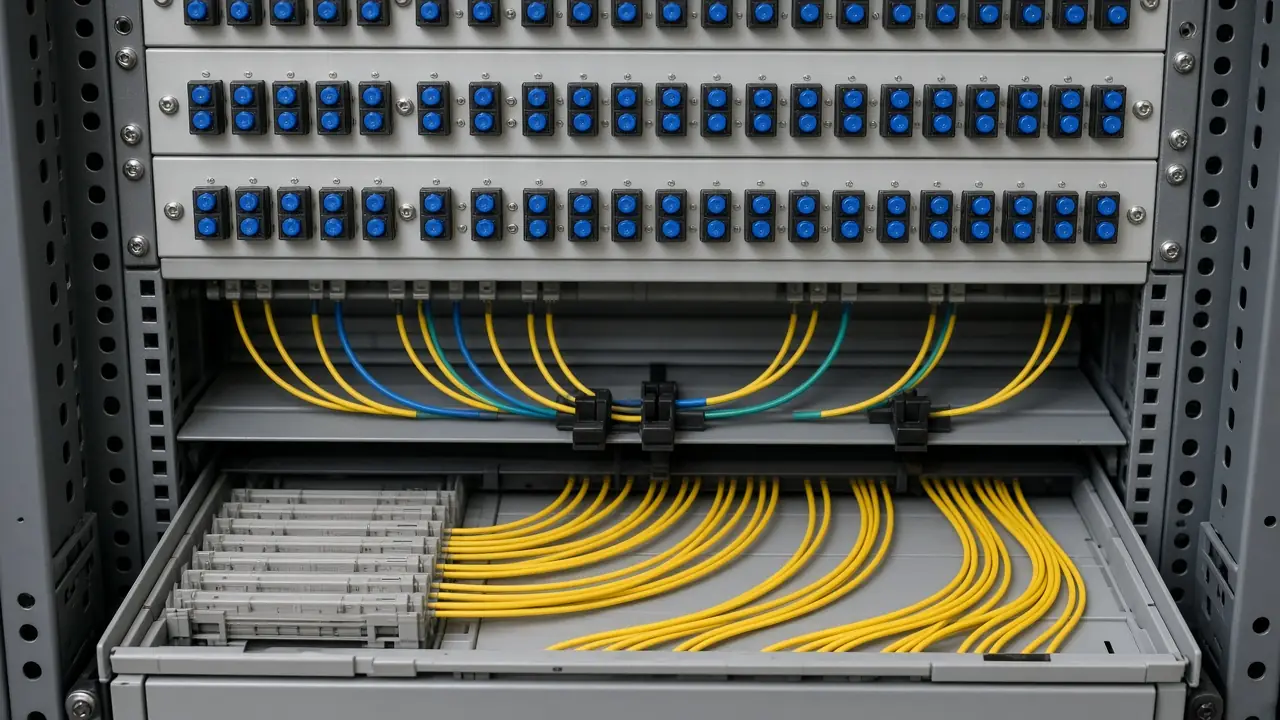
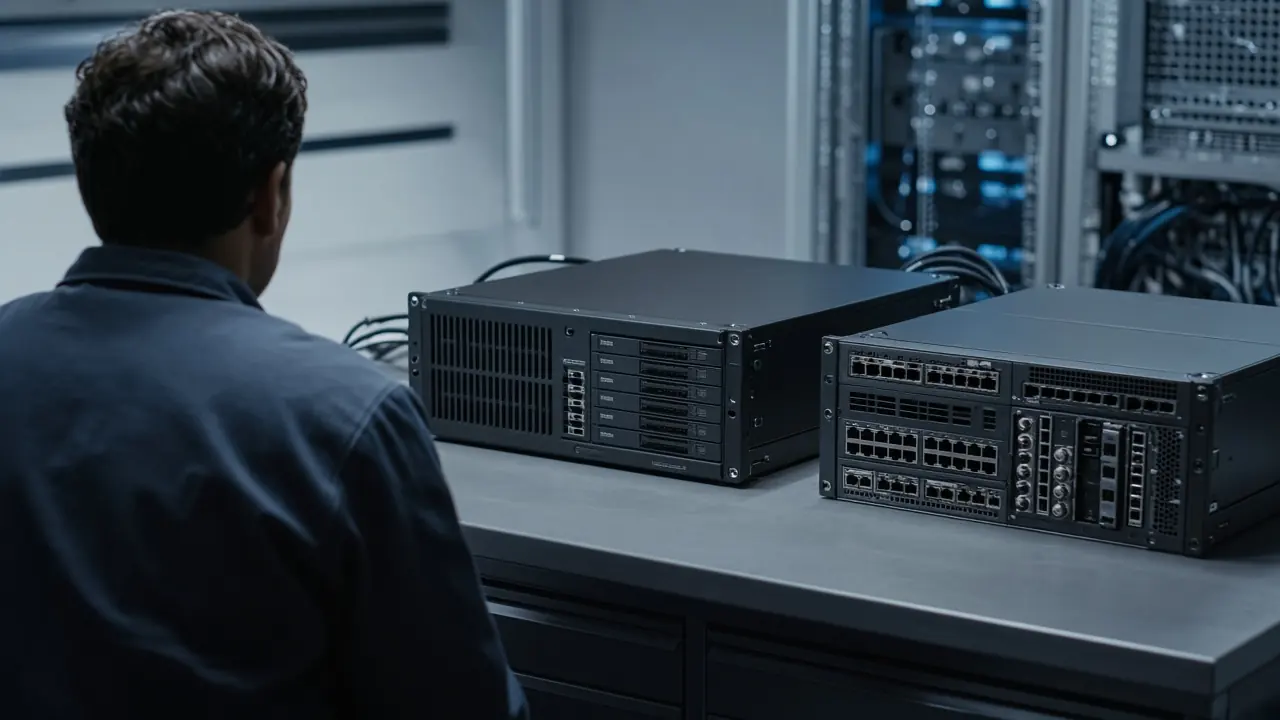
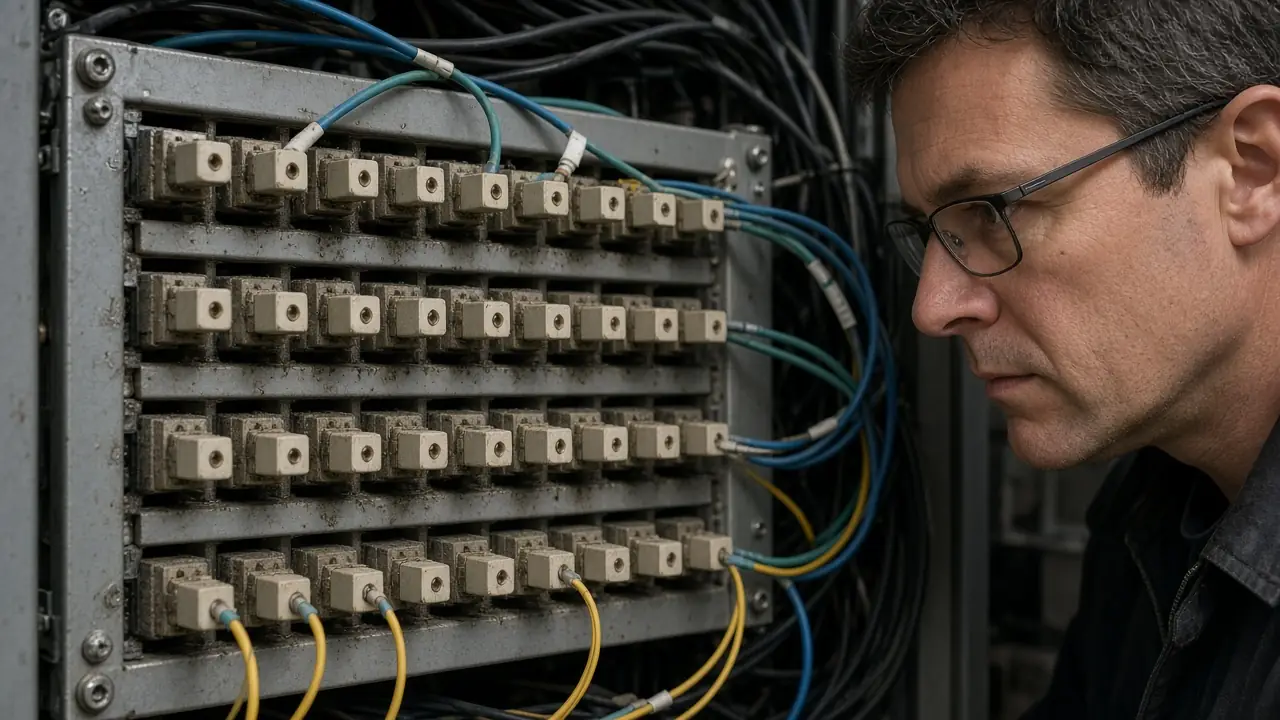
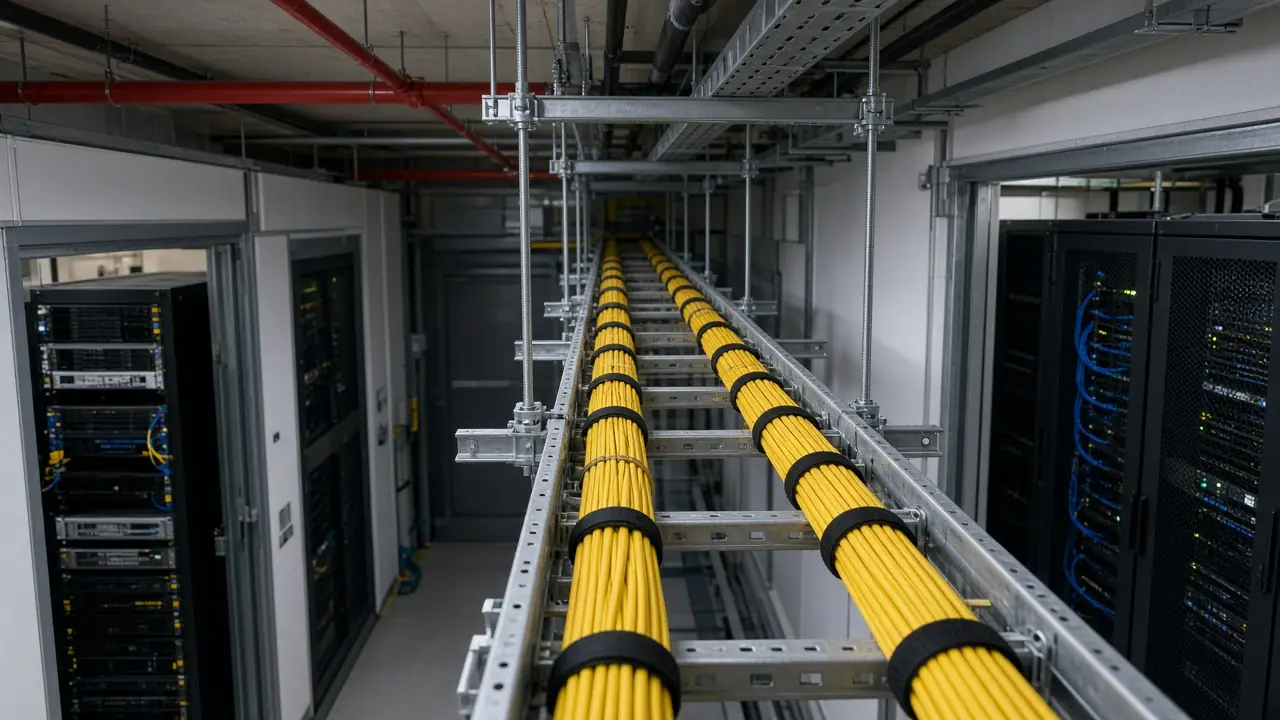
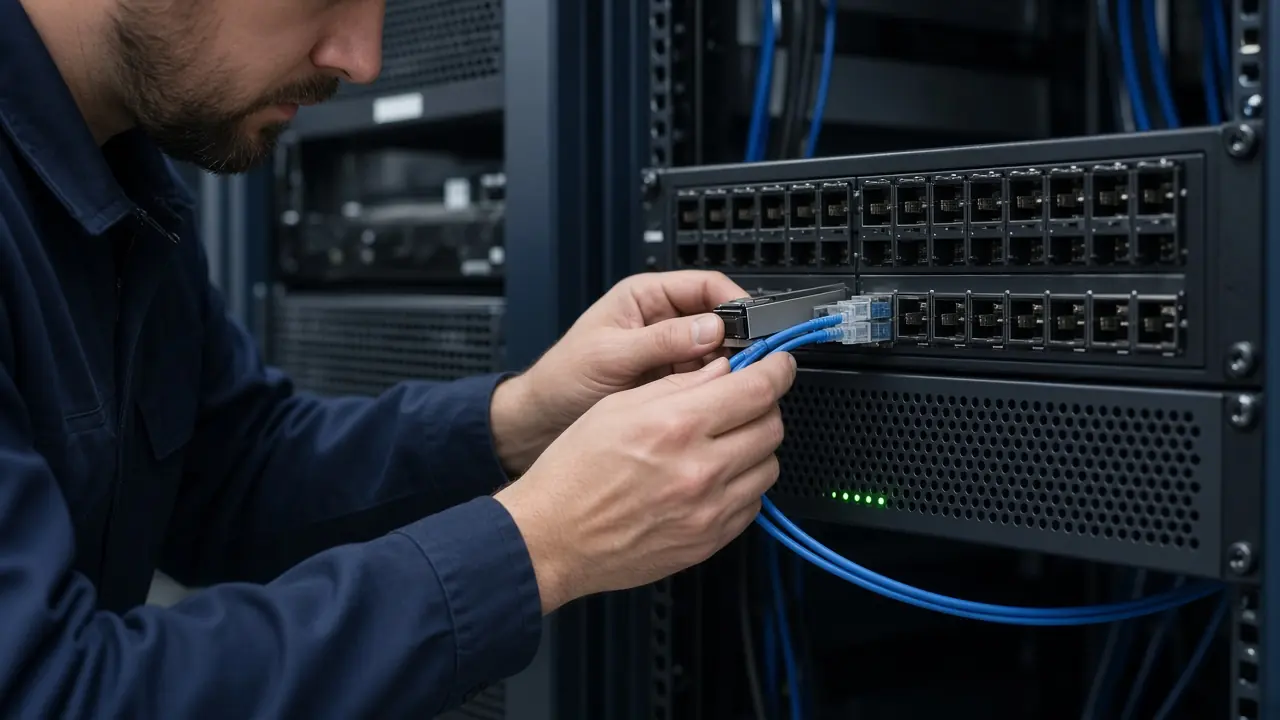
Engineer working on network equipment in a row of equipment cabinets

Telecom & ISP Core

Core Infrastructure for Telecom & Service-Provider Networks

Telecom and ISP infrastructure connects core, aggregation, access and transport layers into a coordinated network that supports defined operator or service-provider requirements.

Novatelia supports the review and definition of telecom and ISP infrastructure requirements using the network sites, existing equipment, access method, capacity requirements, drawings, BOMs, BOQs and technical specifications supplied for the project.

How a Telecom & ISP Network Fits Together

CONCEPTUAL ARCHITECTURE — ACTUAL DESIGN DEPENDS ON SITES, ACCESS METHOD, CAPACITY, EQUIPMENT, TRANSPORT AND PROJECT REQUIREMENTS.

Core path

  1. Internet / Upstream / External Network
  2. Core Routing
  3. Aggregation Layer
  4. Access Network
  5. Subscriber / Customer Edge

PON access relationship

  1. Access Network
  2. GPON / XGS-PON OLT
  3. Fiber Access
  4. ONT / ONU / Customer Edge

Backhaul relationship

  1. Remote / Access Site
  2. Microwave or Transport Backhaul
  3. Aggregation / Core

Supporting layers

  • Network Management
  • Subscriber Management
  • Service Assurance
Network switches installed in an equipment cabinet
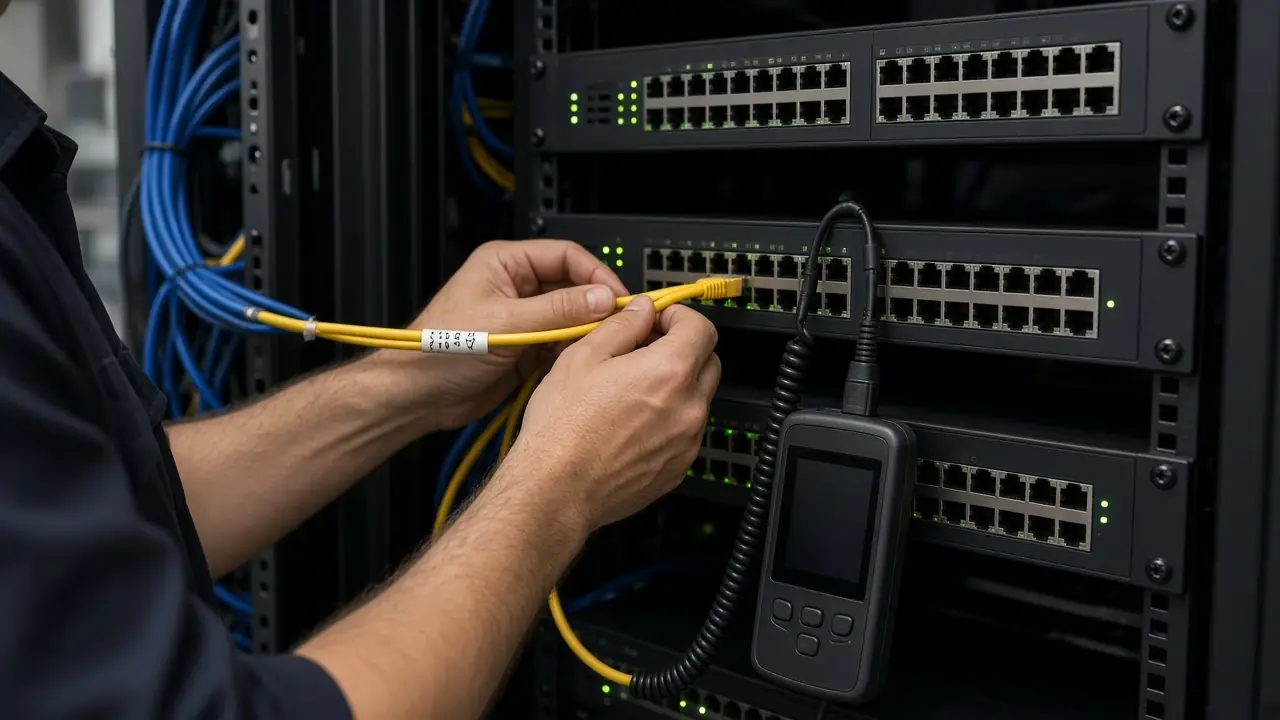
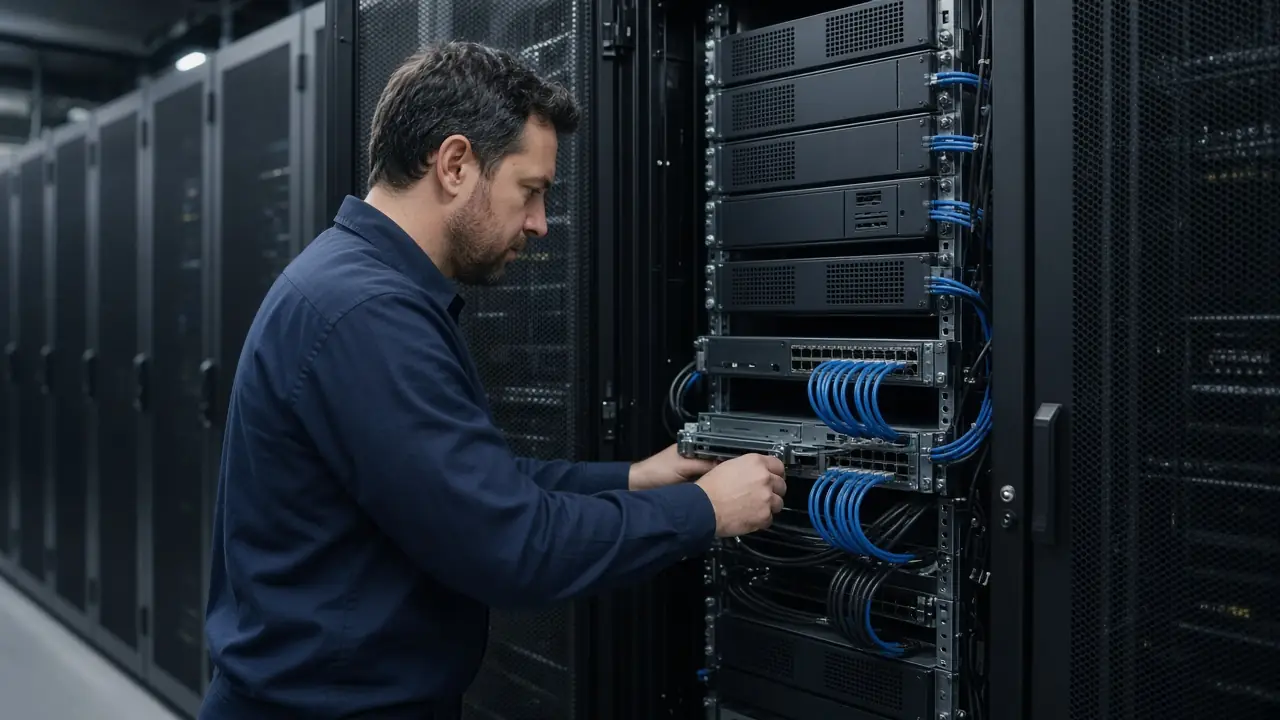
Engineer connecting a cable to network equipment in a rack

Core Routing Infrastructure

Core-routing requirements can be reviewed against the defined provider network, sites, capacity requirements, existing equipment and technical specifications supplied for the project.

Core Routing

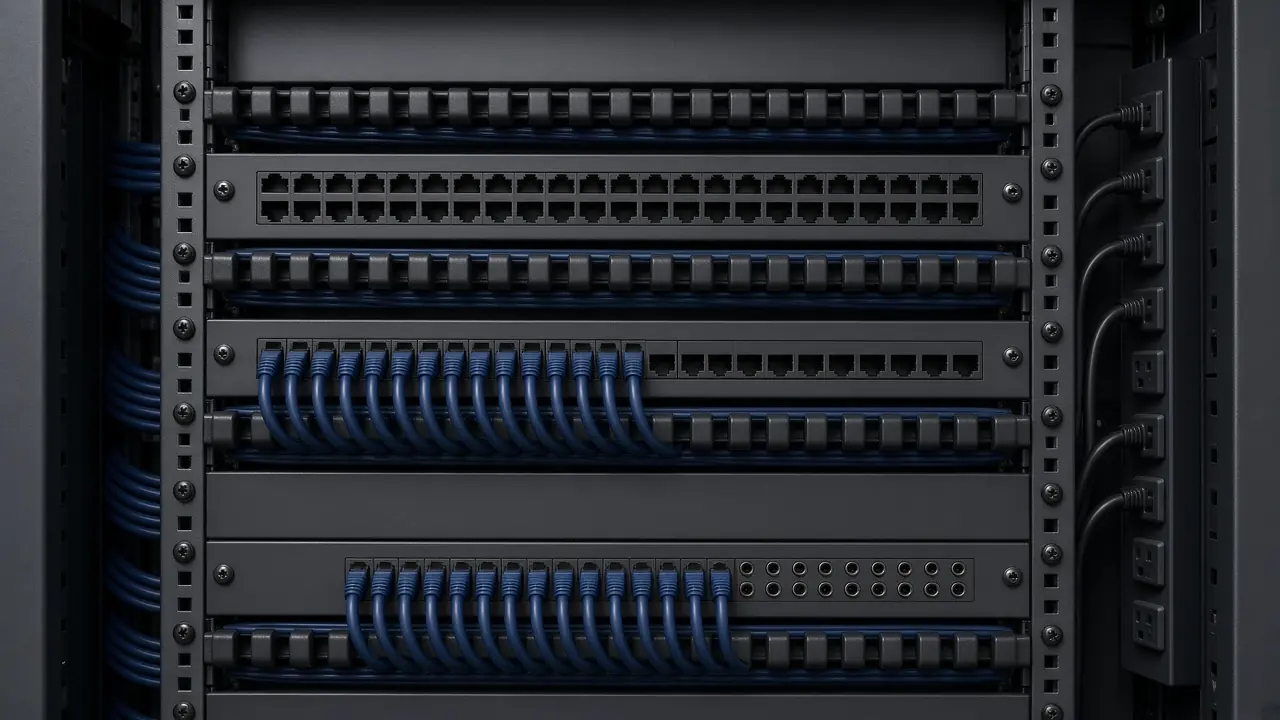
Patch panels and network switches in an equipment rack

Aggregation Infrastructure

The aggregation layer can connect access infrastructure with the core where aggregation equipment is part of the defined network requirement.

The applicable scope depends on the sites, access architecture, capacity requirements and equipment identified for the project.

Aggregation Layer

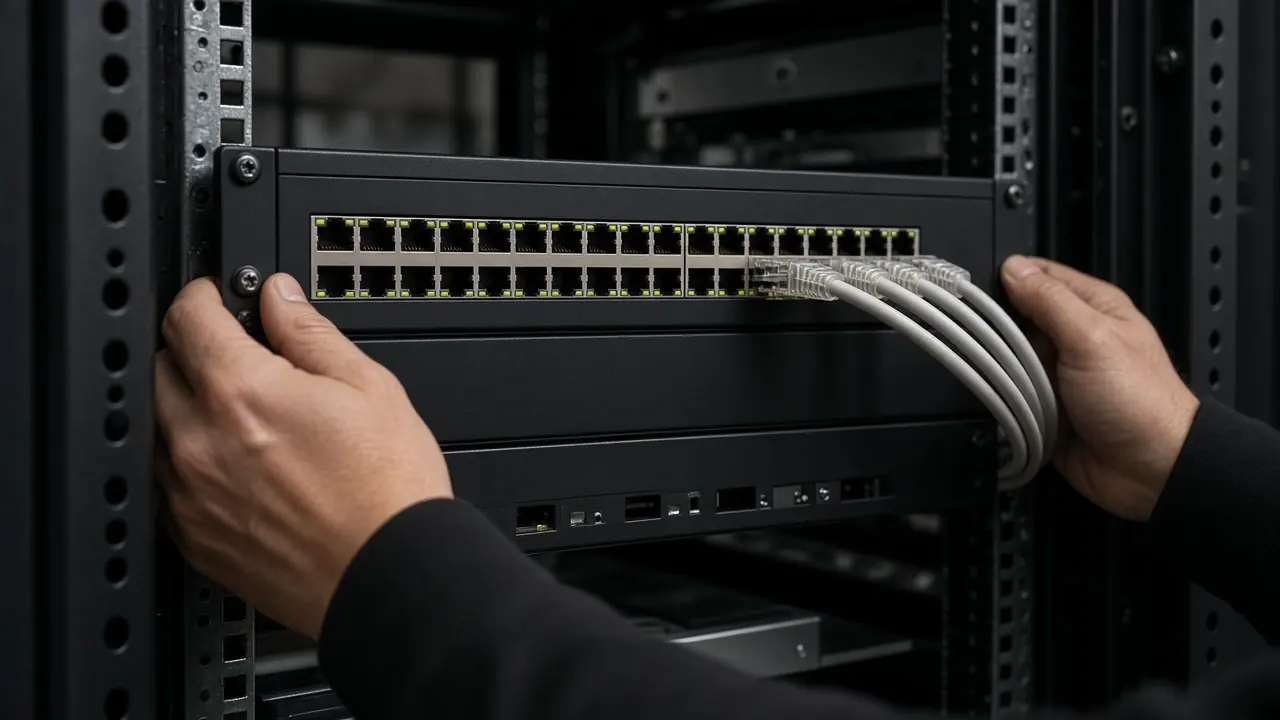
Hands seating a network switch in an equipment rack

Access Network Infrastructure

Access-network requirements can be reviewed where subscriber, customer or site connectivity is part of the defined telecom or ISP network scope.

Access Network

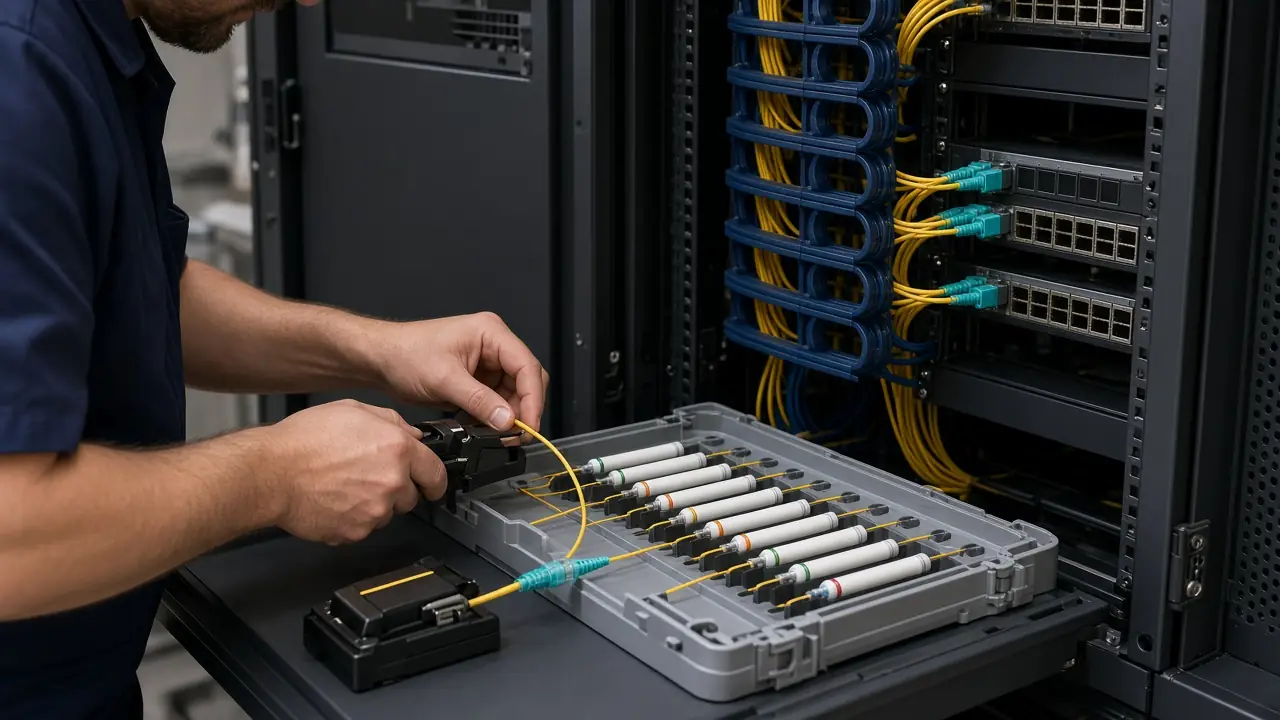
Engineer working at an optical fiber tray beside network equipment

GPON & XGS-PON Access Infrastructure

GPON or XGS-PON OLT infrastructure may form part of an access network requirement where PON architecture is identified in the defined project scope.

Naming a PON technology does not by itself validate the design.

Selecting an OLT does not by itself prove subscriber capacity.

GPON/XGS-PON OLT

Microwave Backhaul Infrastructure

Microwave equipment may form part of a backhaul requirement where wireless transport between defined locations is included in the project scope.

Including microwave equipment does not assign spectrum or a frequency authorization.

Microwave Backhaul

Mobile Access Infrastructure

Mobile base-station hardware may form part of a telecom infrastructure requirement where mobile-access equipment is identified by the buyer.

Mobile Base Stations

Fiber distribution panel with patch cords in a rack

Transport Network Infrastructure

Transport infrastructure connects network locations and supports movement of traffic between access, aggregation and core environments where transport is part of the defined scope.

Transport Network

Fiber Optic Transport

Engineer inspecting network equipment inside a cabinet

Network Management Infrastructure

Network-management systems may form part of the requirement where visibility, configuration or operational management capabilities are identified in the project scope.

A network-management system in the requirement is not a managed network operations service.

Network Management

Network equipment installed in a rack

Subscriber Management Infrastructure

Subscriber-management infrastructure may be included where subscriber or customer-service management is part of the defined provider-network requirement.

Subscriber Management

Technician connecting a cable beside a handheld test instrument

Service Assurance Infrastructure

Service-assurance capabilities may form part of a telecom or ISP infrastructure requirement when they are identified in the defined project scope.

A service-assurance capability in the requirement is not a service-level guarantee.

Service Assurance

Information Needed to Start

A telecom or ISP infrastructure requirement can be reviewed using the network and project information already available.

Engineer reviewing network equipment on a workbench
  1. 01

    Network Sites

    Provide the network sites, nodes or locations included in the requirement.

  2. 02

    Existing Network

    Share available information about the current core, aggregation, access or transport environment.

  3. 03

    Access Method

    Identify the access method already defined for the project where available.

  4. 04

    Capacity Requirement

    Provide the capacity requirement supplied for the project without assuming or inventing values.

  5. 05

    Existing Equipment

    Share the network equipment already installed or identified.

  6. 06

    Equipment List

    Provide the equipment already named in the requirement.

  7. 07

    BOM / BOQ / Drawings

    Submit the BOM, BOQ, topology or project drawings already available.

  8. 08

    Technical Specification

    Share the technical specification or tender requirement where available.

Telecom Infrastructure in the United Arab Emirates

The UAE Telecommunications and Digital Government Regulatory Authority describes telecommunications networks as critical national infrastructure supporting government, finance, healthcare, education, energy, transport, industry and digital commerce.

TDRA also places emphasis on network resilience, geographically diverse international connectivity, terrestrial systems, submarine cables, interconnection and access as part of the country's telecommunications framework.

The UAE's digital infrastructure also includes terrestrial fiber, 5G and satellite connectivity as complementary layers.

UAE Telecommunications and Digital Government Regulatory Authority (TDRA)

Digital infrastructure and the digital economy · Satellite internet services announcement

Engineer inspecting a fiber distribution panel

Telecom Infrastructure in Oman

Oman's Ministry of Transport, Communications and Information Technology identifies terrestrial networks, submarine cables, satellite systems and data centers as fundamental components of the country's digital infrastructure and service continuity.

MTCIT also describes Oman as having an advanced digital infrastructure that includes a modern telecommunications network and extensive international submarine-cable connectivity.

Oman Ministry of Transport, Communications and Information Technology

World Telecommunication and Information Society Day · Strong Growth in Investment, Digital Services and Infrastructure

Fiber backbone cables routed through a rack

Telecom & ISP Infrastructure Requirements We Can Review

  • ISP core network expansion

    Example requirement type

  • FTTH mass rollout

    Example requirement type

  • 5G backhaul deployment

    Example requirement type

  • Rural connectivity extension

    Example requirement type

  • Enterprise managed services platform

    Example requirement type

Telecom & ISP Equipment Categories

Equipment identified in a telecom or ISP requirement can be reviewed against the project scope. Product categories do not by themselves indicate authorization, licensing, partnership, stock or availability.

  • Core Routers
  • GPON Systems
  • Microwave Equipment
  • Transport Switches
  • GPON OLT/ONT
  • Base Station Hardware
  • Microwave Links

Regulatory & Licensing Boundaries

Telecom infrastructure and telecom regulatory authority are separate matters.

This solution page does not provide, represent or imply a telecommunications operator licence, ISP licence, spectrum assignment, frequency authorization, coverage approval or regulatory certification.

Any regulatory requirement remains subject to the applicable authority, licence holder and project context.

Telecom & ISP Solution Scope & Boundaries

This page describes telecom and ISP infrastructure solution scope.

It does not by itself represent a live operator-network design, network-coverage commitment, subscriber-capacity commitment, managed network operation or service-level guarantee.

Product availability, commercial terms and project-specific commitments are confirmed against the actual requirement.

  • A selected core router is not a validated core network.
  • A selected OLT is not a completed FTTH rollout.
  • Base-station hardware is not spectrum authorization.
  • Microwave equipment is not a frequency licence.
  • A defined transport link is not proven capacity.
  • A network-management tool is not a managed network operations center.
  • A service-assurance tool is not a service-level guarantee.
  • A 5G backhaul requirement is not a 5G operator rollout.
  • A listed product is not available stock.

From Provider Network Requirement to Defined Infrastructure Scope

Conceptual requirement path

  1. Network Sites
  2. Existing Network
  3. Access Method
  4. Capacity Requirement
  5. Existing Equipment
  6. BOM / BOQ / Drawings
  7. Technical Specification
  1. Review
  2. Defined Telecom / ISP Infrastructure Requirement
  3. Relevant Project Service

Telecom & ISP Core — Questions & Answers

What is a telecom or ISP core network?

A telecom or ISP core network is the central infrastructure that connects aggregation, access, transport and external network environments. The exact architecture depends on the defined provider-network requirement.

What information is needed to review a telecom or ISP network requirement?

Start with the network sites or nodes, existing network information, access method, capacity requirements, equipment list, BOM or BOQ, drawings or topology and technical specification already available.

Can core-routing requirements be included?

Yes. Core-routing equipment can be included when it forms part of the defined telecom or ISP infrastructure requirement.

Can aggregation infrastructure be included?

Yes. Aggregation infrastructure can be reviewed where it connects access environments to the defined core network.

Can GPON or XGS-PON infrastructure be included?

Yes. GPON or XGS-PON OLT infrastructure can be included where PON access is part of the defined network requirement.

Can microwave backhaul be included?

Yes. Microwave equipment can be considered where wireless backhaul between defined sites is part of the project scope. Spectrum or frequency authorization is not implied by the equipment scope.

Can mobile base-station hardware be included?

Yes. Base-station hardware may be included where it forms part of the buyer-defined telecom infrastructure requirement. This does not by itself establish spectrum rights or an operator licence.

Can transport-network infrastructure be included?

Yes. Transport infrastructure can be included where connectivity between defined access, aggregation or core locations is part of the requirement.

Can network management be included?

Yes. Network-management infrastructure may be included when it is part of the defined project scope. A management platform does not by itself mean a managed NOC or 24/7 operations service is included.

Can subscriber-management infrastructure be included?

Yes. Subscriber-management infrastructure may be included when that capability is part of the defined provider-network requirement.

Does this page provide a telecom licence or regulatory approval?

No. This page describes telecom and ISP infrastructure scope. Telecom licensing, spectrum and other regulatory approvals are separate matters handled by the applicable authorities and licence holders.

Does a 5G backhaul example mean Novatelia operates a 5G network?

No. A 5G backhaul reference is an example requirement type and does not mean Novatelia operates a mobile network or holds spectrum rights.

Does an FTTH rollout example mean Novatelia has completed an FTTH rollout?

No. FTTH rollout is presented as an example requirement type, not as a completed-project claim.

Can Novatelia review telecom or ISP requirements in the UAE?

Yes. Requirements associated with the United Arab Emirates can be submitted using the available network sites, equipment, access, capacity, BOM, BOQ, drawing and technical information.

Can Novatelia review telecom or ISP requirements in Oman?

Yes. Requirements associated with Oman can be submitted using the available network sites, equipment, access, capacity, BOM, BOQ, drawing and technical information.

Where is fiber field work described?

Fiber installation and related field connectivity work is described on the Fiber Optic & Structured Cabling service page when that work is included in the approved scope.

How do I start?

Share the network sites or nodes, existing network information, access method, capacity requirement, equipment list, BOM, BOQ, drawings or topology and technical specification already available through the existing inquiry process.

Planning a Telecom or ISP Infrastructure Requirement?

Share the network sites, existing infrastructure, access method, capacity requirement, equipment list, BOM, BOQ, drawings, topology or technical specification already available.

Novatelia can use that information to identify the appropriate solution and project-service path.

Newsletter

Stay Ahead in GCC Tech

Enterprise infrastructure insights, product updates, and RFQ opportunities for GCC technical buyers.